


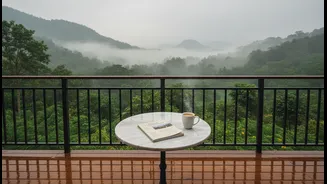



The Off-Season Is Officially Over
Forget the old narrative of monsoon being a travel dead zone. This year, the rainy season is proving to be a significant draw for Indian travellers. Data shows a massive surge in hotel bookings for destinations that come alive in the rain. What was once
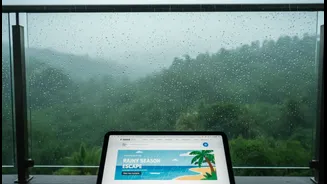
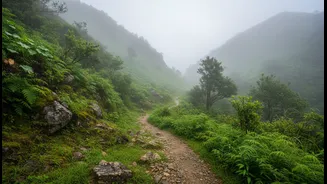
considered an 'off-peak' period is now a preferred season, with some destinations seeing a nearly 10-fold increase in hotel bookings compared to last year. This structural shift means that domestic leisure travel is no longer confined to summer and winter peaks. The monsoon has emerged as a powerful travel driver in its own right, fueled by travellers seeking wellness, cultural experiences, and lush, green landscapes.
Experience Over Everything
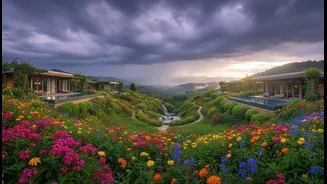
Today’s monsoon traveller is not just booking a room; they are chasing an experience. Search data indicates a strong trend towards destinations that offer more than just a place to stay. Travellers are prioritising personal interests, whether it's wellness retreats, spiritual journeys, or outdoor adventures. Hill stations like Rishikesh and Mussoorie have seen a dramatic spike in interest, with searches growing by over 160-200%. This experience-led approach means people are choosing destinations based on the vibe they offer — think cozying up in a plantation bungalow in Coorg, practicing yoga in a rain-washed Rishikesh ashram, or enjoying the royal monsoon charm of Udaipur.
Look Beyond the Usual Hotspots
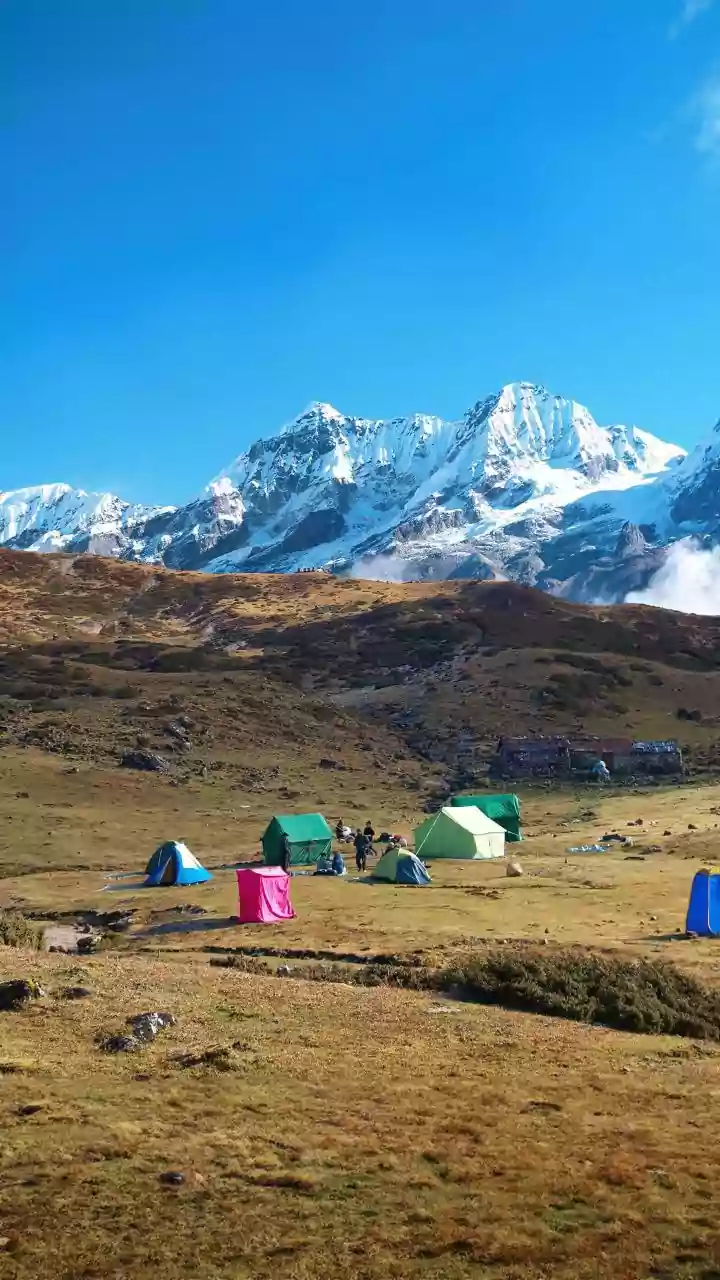
While Goa, Kerala, and popular hill stations in Himachal and Uttarakhand continue to attract crowds, the smart traveller is looking at emerging destinations for better value and unique experiences. Hotel bookings in places like Munnar, Coorg, Wayanad, and Lonavala have seen growth of about seven times. Even destinations in the Northeast, such as Nagaland and Arunachal Pradesh, are standout performers, recording a 62% year-on-year rise in flight bookings. The lesson here is to explore less-saturated but equally beautiful locations. These places often provide a more authentic monsoon experience without the inflated prices and tourist rush of their more famous counterparts.
Embrace Flexibility as Your Best Friend
The single most crucial strategy for monsoon travel is booking with flexibility in mind. The weather is unpredictable, and heavy rains can lead to landslides, waterlogged roads, and flight delays. When booking hotels, look for rates that allow for free cancellation, often up to 24 or 48 hours before check-in. This gives you a vital safety net to change your plans without a major financial penalty. Similarly, many airlines now offer 'flexi fares' that allow you to change your travel dates for a minimal fee. Reading the cancellation policy is no longer optional; it's a critical two-minute step that can save you from losing money on a trip that gets disrupted by weather.
Master the Art of Booking
While the monsoon season once guaranteed lower prices, the new demand surge means you have to be smarter to find deals. Hotel tariffs can still be 25-50% lower than the winter peak, but you need to know where to look. Don't just rely on booking portals. Check the hotel's direct website, as they sometimes offer exclusive deals, packages, or perks for booking directly. Pay attention to the fine print for hidden costs like 'resort fees' or mandatory service charges that aren't included in the initial price display. Also, consider the hotel's amenities. A property with a good in-house restaurant, power backup, and indoor activities becomes much more valuable if you're rained in for a day.
Prioritise Safety and Information
Smart travel is safe travel. Before you book and before you leave, check local weather advisories and district-level rainfall alerts. Be cautious about destinations prone to severe flooding or landslides. It's wise to avoid night driving in hilly areas and stay away from overflowing rivers. Share your itinerary and hotel details with family or friends. A simple but effective safety measure is to choose hotels that are not in low-lying areas and have good guest reviews commenting on their preparedness for rain. A delayed trip is always better than a risky one.