



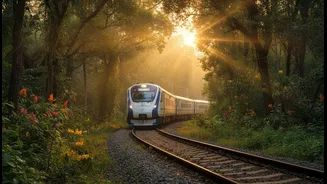


A New Track for Tourism
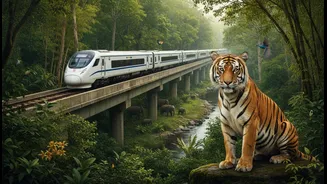
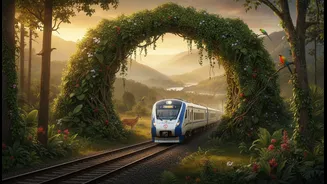
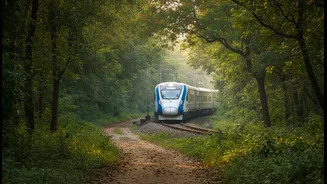
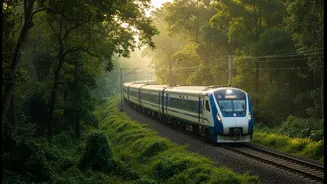
The sleek, semi-high-speed Vande Bharat trains have become synonymous with modern Indian infrastructure, connecting major cities faster than ever before. While primarily serving business and leisure travellers, an exciting byproduct of this expanding
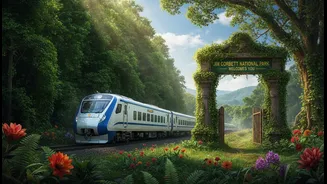
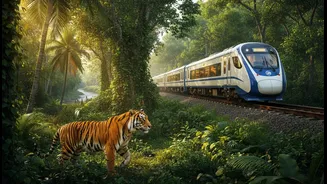
network is the improved access to India's wild heartlands. Routes now connect to railway stations near several iconic wildlife sanctuaries. For instance, travellers can take a Vande Bharat Express to Mysuru, which is only an 80-kilometre, two-hour road journey from Bandipur National Park, a key part of the Nilgiri Biosphere Reserve. Similarly, the service to Veraval station in Gujarat places visitors just 45 kilometres from Gir National Park, the last remaining home of the Asiatic lion. Other prominent parks like Ranthambore in Rajasthan, Jim Corbett in Uttarakhand, and Kaziranga in Assam are also more accessible, typically requiring a final leg of travel by road.
The Promise of Accessible Ecotourism
The primary advantage is clear: convenience. Faster and more comfortable train journeys make these natural treasures accessible to a wider range of people, potentially reducing reliance on flights and long, arduous road trips. This can be a significant boost for local economies that depend on tourism. Revenue from park entry fees, guided safaris, and stays at lodges and homestays directly funds conservation efforts. In places like Kanha National Park and Ranthambore, tourism revenue helps pay for anti-poaching patrols and habitat management. Furthermore, involving local communities as guides, service providers, and handicraft sellers creates a sense of ownership and provides an economic incentive to protect the very wildlife that tourists come to see. The Vande Bharat network, by facilitating this flow of visitors, has the potential to strengthen this model of sustainable, community-involved ecotourism across the country.
The Perils of Unchecked Progress
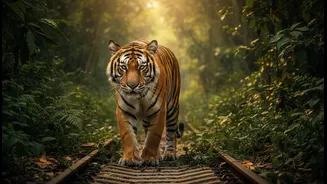
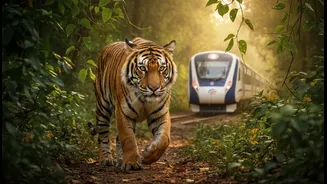
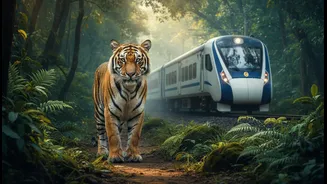
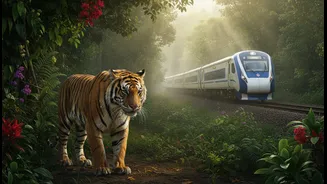
However, increased access is a double-edged sword. The history of infrastructure development near protected areas in India is fraught with challenges. Railway lines that cut through forests and wildlife corridors have long been a cause of animal mortality, particularly for large mammals like elephants and tigers. Between 2009 and 2021, dozens of elephants were killed by trains in West Bengal alone. The concern is that while Vande Bharat trains may not pass directly through the core areas of most parks, the overall increase in rail traffic and associated development can fragment habitats and disrupt animal movement. Moreover, a surge in tourist numbers without adequate management can lead to 'over-tourism'—straining park resources, increasing pollution and waste, and causing stress to wildlife. The goal of seeing a tiger or rhino can lead to behaviour that ultimately harms the ecosystem everyone has come to appreciate.
Finding the Right Balance
What the Vande Bharat expansion teaches us is the urgent need for proactive, integrated planning. It's not just about building tracks; it's about building a sustainable tourism ecosystem around them. This means looking beyond the railway station and considering the entire visitor journey. Are the last-mile transport options to the park sustainable? Are there strict regulations on vehicle numbers and tourist density within the parks? Parks like Kanha have implemented successful models that include limiting vehicle entries, promoting single-use-plastic-free zones, and deeply involving tribal communities in the tourism economy. In Assam, the development of an elevated corridor for a highway near Kaziranga National Park shows a growing recognition that infrastructure must be designed to coexist with wildlife, providing safe passage for animals. These are the lessons that must be applied to rail-linked tourism. The focus must shift from simply providing access to managing that access responsibly.