





The Relatable, Flawed Hero
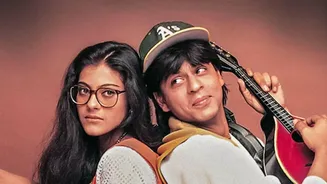
The heroes of this golden era weren't perfect, and that was their greatest strength. Shah Rukh Khan's Raj in 'Dilwale Dulhania Le Jayenge' (DDLJ) starts as a mischievous flirt, while Shahid Kapoor's Aditya in 'Jab We Met' is a heartbroken businessman
on the verge of giving up. They aren't stoic, muscle-bound saviours; they are men with vulnerabilities who undergo a transformation. Aditya's journey from a depressed loner to a man capable of selfless love is spurred entirely by his interactions with Geet. Similarly, Raj evolves from a carefree prankster in Europe to a man willing to win over a traditional family in Punjab, proving his maturity and commitment. This character arc makes their eventual triumph feel earned and gives audiences a hero they can root for—not because he is flawless, but because he becomes a better man for the woman he loves.
The Spirited, Modern Heroine
Counterbalancing the evolving hero was a new kind of heroine. Kajol's Simran in DDLJ and Kareena Kapoor's Geet in 'Jab We Met' were not passive damsels in distress. Simran, though respectful of her strict father, dreams of a life and love of her own choosing. Geet is fiercely independent, wonderfully self-assured (famously declaring, "Main apni favourite hoon"), and travels alone, breaking the mould of the demure heroine. These characters had agency and personality. They balanced modern aspirations with respect for tradition, a conflict that resonated deeply with a generation of young Indians. Geet, in particular, became an icon for her self-love and spirited approach to life, showing that a female protagonist could be the engine of the story, not just a passenger.
The Grand Journey of Love
These films are defined by journeys, both literal and metaphorical. DDLJ splits its narrative between a freewheeling train trip across Europe and a challenging emotional quest in the fields of Punjab. This change of scenery allows the central relationship to blossom in a magical, consequence-free environment before being tested by the realities of family and tradition. 'Jab We Met' is, at its heart, a road movie where a series of missed trains and impromptu bus rides forces two complete opposites together, allowing a deep, transformative friendship to form before romance ever enters the picture. This journey-based storytelling provides a wealth of memorable scenes, from dancing in the Swiss Alps to chaotic adventures in Ratlam, making the romance feel like an epic adventure.
Winning Over the Family, Not Just the Girl
A revolutionary element that cemented these films as date night classics was the shift in the central conflict. The goal was not to rebel and elope but to win the family's approval. In DDLJ, Raj famously refuses to run away with Simran, insisting he will only marry her with her father's blessing. This was a significant departure from the rebellious lover archetype. It framed love not as an act of defiance against family, but as a force that can unite generations. This respect for family values, combined with a modern love story, made the films palatable and aspirational for viewers of all ages. It presented a mature, honourable form of love that was about building a future, not just stealing a moment of passion.
The Comfort of a Happy Ending
For a date night, predictability can be a comfort. These movies deliver a soul-satisfying, guaranteed happy ending. You know from the moment Raj and Simran meet that they will end up together; the joy is in watching how it happens. The formula—meet-cute, conflict, grand gestures, and a triumphant reunion—is emotionally fulfilling. The iconic final scene of DDLJ, where Simran's father finally lets her go with the words, "Ja Simran, ja... jeele apni zindagi," is a cultural touchstone because it delivers the ultimate emotional payoff. It’s a reminder that love, patience, and honour will ultimately win the day, a timeless and deeply comforting message perfect for sharing with someone you love.