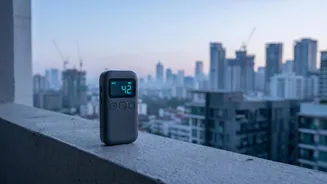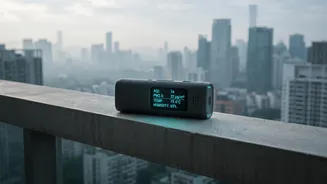





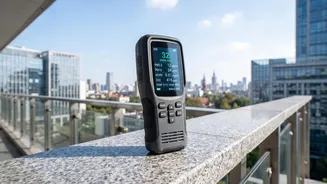

The desire for a morning run often clashes with the hazy, polluted reality of city air. As smog becomes a seasonal fixture, knowing how to read the signs of poor air quality is crucial for protecting your health without giving up on fitness.
Decoding the Air Quality Index (AQI)
The Air Quality
Index, or AQI, is a simple tool designed to communicate how polluted the air is. Launched in India by the Central Pollution Control Board (CPCB), it converts complex pollutant data into a single number, a colour, and a health advisory. The scale runs from 0 to 500, and is based on the levels of eight key pollutants, including tiny, harmful particles known as PM2.5 and PM10. The final AQI number you see for your city is determined by the pollutant with the highest reading, ensuring the index reflects the most immediate health risk.
What the AQI Numbers Mean for You
Understanding the six categories of the AQI can help you make an informed decision about your workout plans. A reading of 0-50 ('Good') means the air is clean, while 51-100 ('Satisfactory') is acceptable for most healthy adults, though sensitive individuals might feel minor discomfort. When the AQI enters the 101-200 ('Moderate') range, people with existing lung or heart conditions are advised to be cautious. An AQI of 201-300 ('Poor') can cause breathing discomfort for most people on prolonged exposure. Readings of 301-400 ('Very Poor') and 401-500 ('Severe') are health alerts; everyone should avoid or significantly limit outdoor exertion. In these higher ranges, the risk of respiratory illness increases substantially, even from light physical activity.
Using Your Senses to Spot Pollution
While checking an app is best, you can often spot the signs of poor air quality yourself. The most obvious indicator is visibility. If you look towards the horizon and see a thick, brownish or greyish haze that obscures distant buildings, you're looking at smog. This haze is caused by fine particulate matter scattering light. You may also notice physical symptoms. Irritated or burning eyes, a scratchy throat, a persistent dry cough, or wheezing are all common bodily responses to high pollution levels. If you experience these symptoms, especially at the start of an outdoor activity, it's a clear signal that the air quality is poor and you should head indoors.
Digital Tools for Accurate Readings
For the most reliable information, technology is your best friend. Several apps and websites provide real_time AQI data for Indian cities. The government's own 'SAMEER' app gives hourly updates directly from the CPCB's monitoring stations. Another government initiative, 'SAFAR_Air', provides forecasts for major metros like Delhi, Mumbai, and Pune. International apps like IQAir AirVisual and BreezoMeter are also popular, offering detailed breakdowns of pollutants, health recommendations, and even street_level air quality maps. Checking one of these before you lace up your shoes is the single most effective step you can take.
Adapting Your Exercise Routine Safely
On days with high AQI, you don’t have to skip your workout entirely—just adapt it. The general consensus among coaches is to avoid intense outdoor exercise when the AQI is above 150. During exercise, your breathing rate increases, and you tend to breathe through your mouth, bypassing the natural filtration of your nose and pulling more pollutants deep into your lungs. If the AQI is in the 'Poor' or 'Very Poor' range, switch to an indoor workout like yoga, a treadmill run, or bodyweight exercises. If you must be outside, choose a time when pollution is typically lower, such as the mid_afternoon, and pick routes away from heavy traffic. Wearing a well_fitting N95 mask can also help filter out a significant portion of harmful particles.