






Good News from Southeast Asia
Southeast Asia remains a top choice for Indian tourists, and key destinations are making it even more attractive. Malaysia has extended its popular visa-free entry program for Indian nationals all the way through December 31, 2026. This allows for a stay
of up to 30 days for tourism or business purposes without needing to apply for a visa beforehand. The only mandatory step is to fill out the free Malaysia Digital Arrival Card (MDAC) online within three days of your arrival. Meanwhile, Thailand's visa policy has seen some back-and-forth. After briefly ending a visa-free scheme in May 2026, the Thai Cabinet has approved a new 30-day visa exemption for Indian travellers as of mid-July 2026. This decision, which replaces the previous visa-on-arrival system, is aimed at boosting tourism after a noticeable dip in visitors from India. While the new stay is shorter than the previous 60-day window, it restores the convenience of visa-free travel for short holidays. The new rules will officially take effect after publication in the Royal Gazette.
Europe Moves Towards Digital Visas
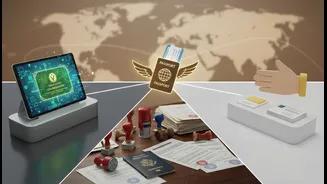
Travel to Europe is also undergoing a major digital transformation. The Schengen Area, comprising 29 European countries, is in the process of launching a fully digital visa system. This means applicants will be able to use a single online platform to fill out forms, upload documents, and pay fees, significantly reducing the need for physical paperwork and in-person appointments at consulates. Once approved, the traditional visa sticker in your passport will be replaced by a secure digital visa, likely in the form of a 2D barcode linked to your passport. While first-time applicants may still need to provide biometric data (fingerprints and a photo) at a visa application centre, the process for subsequent visas is expected to become much smoother. Alongside this, the EU has been rolling out its new Entry/Exit System (EES), which replaces manual passport stamping with a digital, biometric record of entries and exits for non-EU travellers, aiming for faster border crossings. These changes affect the application and border process, not the eligibility rules, so Indian travellers will still need to secure a Schengen visa before their trip.
The Rise of the E-Visa
Beyond specific country waivers, the broader trend is a shift towards e-visas, and an increasing number of countries are making this option available to Indian passport holders. In 2026, reports indicate that Indian citizens can apply for an e-visa to over 50 countries, a list that includes popular destinations like Turkey, Vietnam, Egypt, and Azerbaijan. This system allows travellers to complete the entire visa application online from home. The process typically involves filling out a form, uploading digital copies of documents like your passport and photo, and paying a fee online. Approval is usually sent via email, and the e-visa is either linked digitally to your passport or provided as a downloadable document to present upon arrival. This streamlined process removes much of the uncertainty and logistical hassle of traditional visa applications, making it easier to plan trips with confidence.
What About the United States?
While many tourist destinations are simplifying rules, the situation for travel to the United States remains complex and is, in some ways, becoming more stringent. For 2026, a series of fee increases has been implemented, affecting various immigration and visa services. This includes inflation-based adjustments to USCIS filing costs and a new consular visa fee for certain renewals processed abroad. Furthermore, backlogs for certain employment-based Green Card categories, such as EB-2, remain a significant challenge for Indian applicants, with the annual quota for 2026 having already been met. The U.S. has also proposed changes that could impact international students and H-1B professionals. For the average Indian tourist, this means that while the dream of visiting the U.S. is alive and well, the process requires careful planning and budgeting, standing in contrast to the easing of rules elsewhere.