



The Hazards of Deep Space
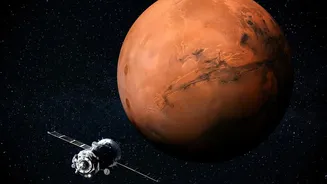
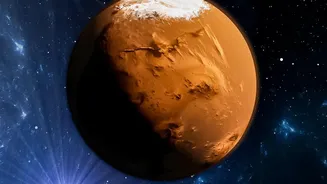
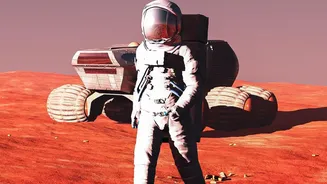
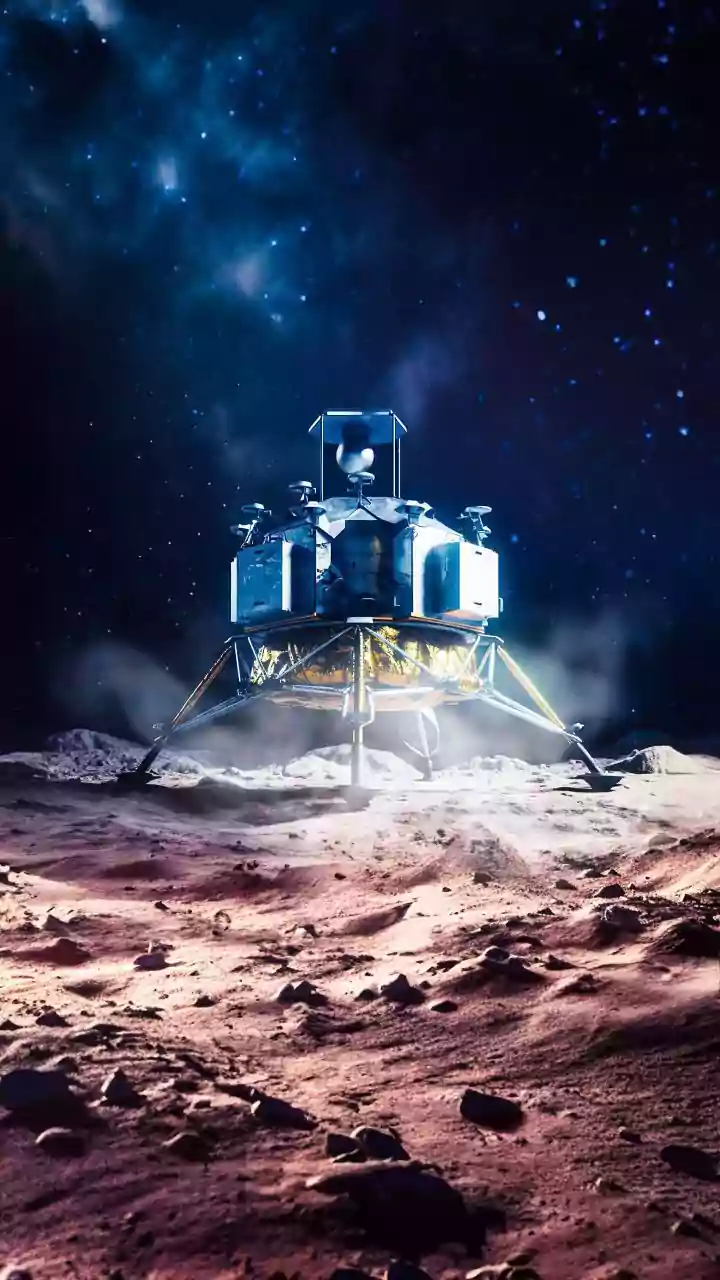
A round trip to Mars could take two to three years, exposing astronauts to a hostile environment unlike any on Earth. The primary threats are well-documented. First, there's microgravity, the near-weightless condition that wreaks havoc on the body, causing
muscle atrophy and a significant loss of bone density. Then there's the relentless exposure to space radiation, including galactic cosmic rays, which can damage DNA and increase long-term health risks. For decades, space agencies have focused on mitigating these issues through rigorous exercise regimens and advanced shielding technologies. But as we plan for longer missions, research is revealing that one of the biggest threats may be an internal one, originating from the trillions of microorganisms living inside every astronaut.
The Gut: Your Body’s Mission Control
The human gut is more than just a digestive tube; it's a complex ecosystem teeming with an estimated 100 trillion microbes, collectively known as the gut microbiome. This internal community plays a pivotal role in regulating many of the body's functions, including digestion, metabolism, immunity, and even cognitive function and mood. A healthy, diverse microbiome is crucial for well-being. It helps break down food, produces essential vitamins, and protects against pathogens. When this delicate balance is disturbed—a condition known as dysbiosis—it can lead to a cascade of health problems, from simple digestive upset to more serious inflammatory conditions and a weakened immune system.
How Space Disrupts Gut Harmony
The unique stressors of spaceflight seem to launch a multi-pronged attack on the gut microbiome. A major issue is the effect of microgravity on digestion. On Earth, gravity helps move food through our system. In space, the body relies solely on the muscular contractions of the intestines, a process called peristalsis. Recent studies suggest that the lack of gravity slows this process down significantly. This slowdown gives gut bacteria more time to ferment proteins instead of their usual carbohydrates, producing different compounds that can enter the bloodstream. This shift is believed to be a primary reason why constipation is a common complaint among astronauts. Furthermore, space radiation can directly damage the intestinal barrier and cause an imbalance in gut flora. The stress and isolation of a long mission can also negatively impact the microbiome. Studies on simulated Mars missions, like the 520-day Mars500 experiment, showed that prolonged confinement led to increased markers for intestinal inflammation and a depletion of beneficial anti-inflammatory bacteria in the crew.
Why a Healthy Gut is Mission-Critical
An unhappy gut can have consequences that go far beyond stomach cramps, which would be distracting enough during a critical mission phase. A compromised gut can lead to increased intestinal permeability, or 'leaky gut', where toxins and bacteria can pass into the bloodstream, triggering inflammation throughout the body. This chronic inflammation is linked to a host of problems, including a weakened immune response, which could make astronauts more susceptible to infections. Some of the metabolic byproducts from altered gut function have even been linked in animal models to increased anxiety and stress, which could affect an astronaut's mental health and performance. Over the long term, these disturbances could potentially increase the risk for more serious conditions like inflammatory bowel disease or even heart and kidney issues. Ensuring astronauts remain healthy, focused, and effective is paramount to mission success, and that starts with maintaining a stable internal ecosystem.
The Search for Cosmic Probiotics
Scientists at NASA and other space agencies are actively researching solutions to protect the astronaut microbiome. One of the most promising avenues is diet. Researchers are exploring specialized diets rich in slowly fermented carbohydrates and fiber from sources like vegetables and lentils. The idea is to provide gut microbes with a steady supply of their preferred food, preventing the shift to protein fermentation. The use of prebiotics (which feed good bacteria) and probiotics (live beneficial bacteria) is also being heavily investigated as a potential countermeasure to maintain gut balance. Ongoing research projects, like NASA's 'Food Physiology' study, aim to precisely measure how different foods impact the microbiome and immune system in space. Ultimately, creating the perfect diet and supplement plan could be just as important as designing the rocket itself for getting humans to Mars and back safely.