





Understanding the Exchange Rate Effect
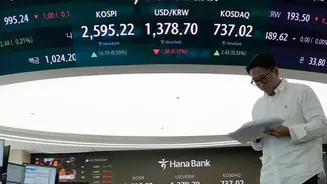
At its core, a foreign exchange rate is the price of one currency in terms of another. When you plan a trip to the United States or Europe, you are essentially buying dollars or euros with your rupees. If the Rupee is 'strong', your money buys more foreign currency.
If it's 'weak', it buys less. This directly impacts how much your trip will cost before you even pack your bags. A trip that seems affordable one month can become significantly more expensive the next, simply because the Rupee's value has fallen. For instance, a weaker Rupee can increase the cost of a trip by 12% to 20%.
How a Weaker Rupee Stretches Your Budget
When the Rupee weakens against currencies like the US Dollar, Euro, or Pound, every aspect of your trip becomes costlier in rupee terms. A $100 hotel room that might have cost ₹8,500 could suddenly cost ₹9,000 or more if the Rupee's value dips. This applies to everything: flight tickets priced in foreign currencies, tour packages, visa fees, and even your daily spending money. Over the course of a family vacation, this can add up to a significant amount, potentially turning a ₹6 lakh trip into a ₹7 lakh one without any change in your itinerary.
Pre-Bookings vs. On-the-Ground Costs
The impact of currency fluctuations is felt in two main areas: pre-booked expenses and on-the-ground spending. The price of flights and hotels booked months in advance can change based on the exchange rate at the moment of payment. On-the-ground expenses like meals, shopping, local transport, and sightseeing are directly affected by the exchange rate on the day you spend the money. A weaker rupee means the cash in your pocket or the balance on your forex card has less purchasing power.
Smart Strategies to Manage Currency Risk
While you can't control global currency markets, you can take steps to protect your travel budget. One of the most effective strategies is to use a multi-currency forex card, which allows you to load foreign currency and lock in an exchange rate in advance. This protects you from further dips in the Rupee's value. Booking flights and accommodation well in advance when the Rupee is performing strongly is another wise move. It's also recommended to exchange a significant portion of your required currency before you leave India, as you will likely get a better rate from an authorised dealer at home than at an airport kiosk abroad.
The Dynamic Currency Conversion Trap
When paying with a card abroad, you might be asked if you want to pay in Indian Rupees (INR) or the local currency. This is called Dynamic Currency Conversion (DCC). While it seems convenient to see the cost in rupees, you should always decline this offer and choose to pay in the local currency. Merchants who offer DCC set their own unfavourable exchange rates, which can be much higher than the rate your own bank would provide. By always choosing the local currency, you ensure your card network or bank handles the conversion at a much more competitive rate, saving you from hidden fees.