

The Most Important Monsoon Tip
Before you plant anything, the golden rule of monsoon gardening is to ensure excellent drainage. The biggest threat to your herbs during this season is not a lack of water, but an excess of it. Waterlogged soil suffocates roots, leading to root rot and
fungal infections. Choose terracotta pots with ample drainage holes, as they help wick away excess moisture. You can also add a layer of gravel or broken pot pieces at the bottom before filling them with a well-aerating soil mix, perhaps blended with sand or coco peat to improve flow.
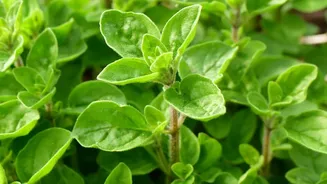
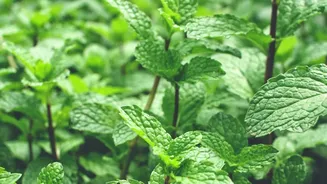
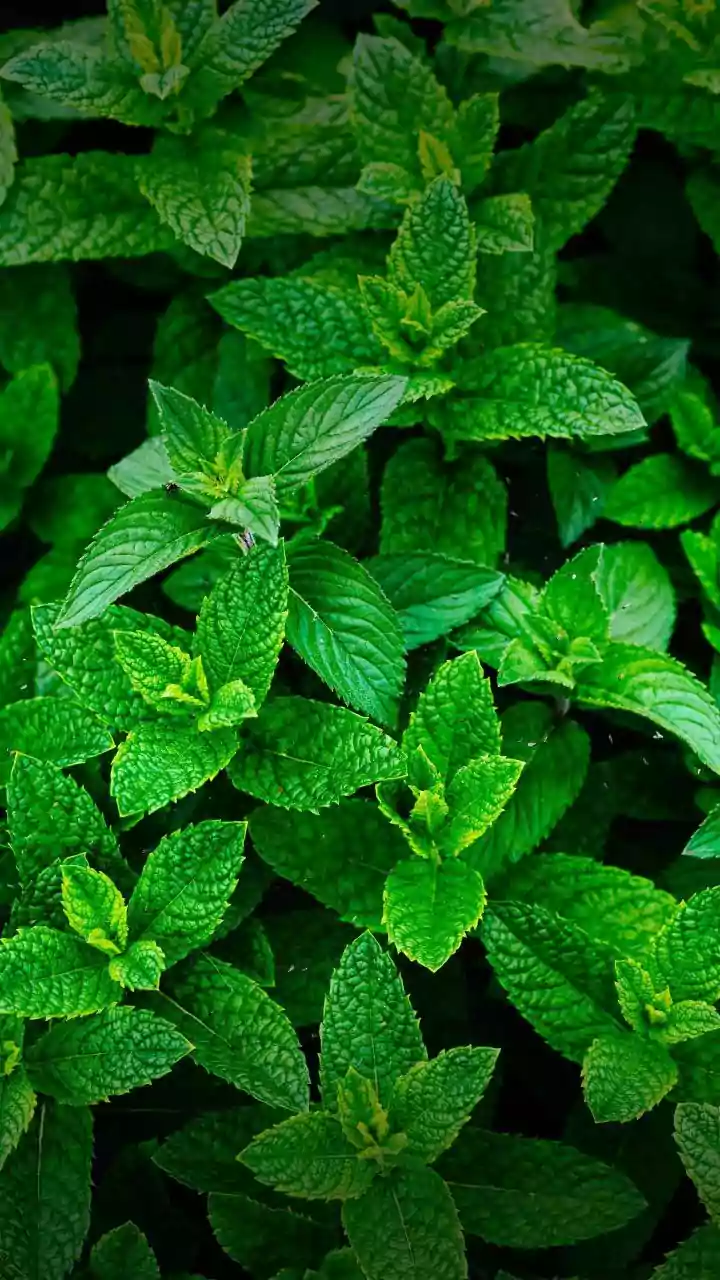
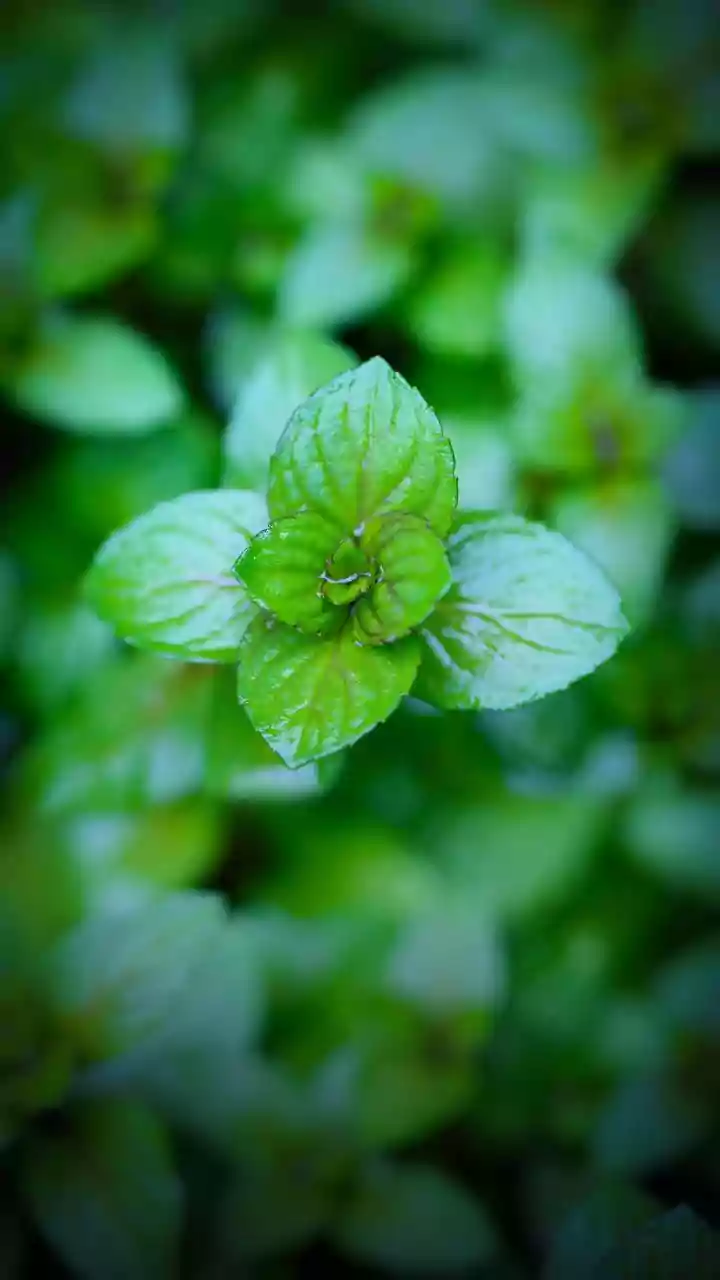
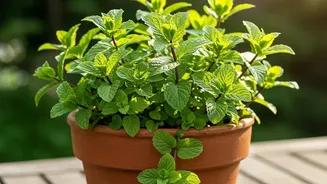
Mint (Pudina)
Mint is an aggressive grower that absolutely loves the moist conditions of the rainy season. Its refreshing leaves are perfect for chutneys, raitas, and a hot cup of chai on a rainy afternoon. This hardy herb spreads quickly, so it's wise to grow it in a dedicated container to prevent it from taking over your entire garden space. It does well in partially shaded spots. Regular pruning will not only provide you with a steady supply but also encourage the plant to become bushier and more productive.
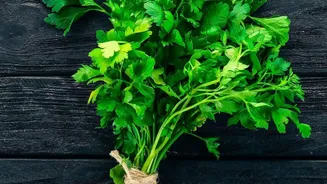
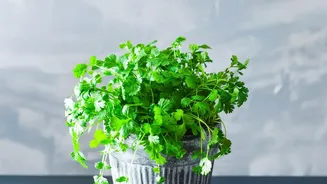
Coriander (Dhania)
A staple in every Indian kitchen, coriander can be tricky to grow in the intense summer heat. However, it flourishes in the cooler, moist weather of the monsoon. Having a pot of fresh dhania on your balcony means you're only a snip away from garnishing your curries, dals, and salads. For a continuous harvest throughout the season, it’s a good idea to sow a new batch of seeds every couple of weeks. This fast-growing herb doesn't demand much attention, making it one of the easiest to grow for beginners.
Holy Basil (Tulsi)
Tulsi is revered in India for both its medicinal and aromatic properties, and it grows vigorously during the monsoon. Its leaves are known to help boost immunity, which is especially beneficial during a season known for coughs and colds. Tulsi prefers a spot with indirect sunlight and should be protected from heavy, direct downpours. It's crucial to avoid overwatering; check that the top layer of soil is dry before watering again. Pinching off the flowers as they appear will direct the plant's energy into producing more lush, flavourful leaves.
Lemongrass
With its citrusy fragrance, lemongrass is another herb that thrives in the rain and humidity. It’s a key ingredient in many Asian cuisines and makes a wonderfully soothing tea. Beyond its culinary uses, lemongrass also acts as a natural mosquito repellent, a welcome benefit during the wet season. This herb needs a bit of space to flourish, so plant it in a large, deep pot. Ensure it gets a moderate amount of sunlight and trim any dry or yellowing leaves to encourage healthy new growth.
Ginger and Turmeric (Adrak and Haldi)
While we use their rhizomes, both ginger and turmeric are tropical plants that love the monsoon. The rainy season is the ideal time for these rhizomes to develop. Plant them in wide, shallow pots with well-drained soil to prevent waterlogging, which they are susceptible to. Growing your own means you'll have access to the freshest, most pungent adrak for your chai and the most vibrant haldi for your curries. It’s a rewarding process that brings essential kitchen spices right to your doorstep.