



Why Bother with More Protein?
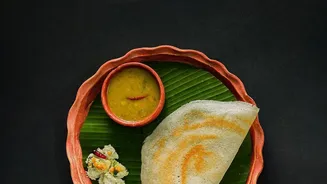
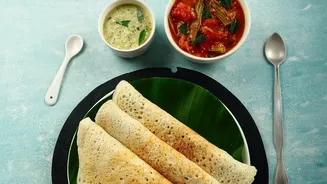
A traditional dosa, made from fermented rice and urad dal, is a fantastic gut-friendly food. However, it is primarily a source of carbohydrates. While the dal provides some protein, a typical dosa has about 3-4 grams. Adding a protein boost, especially
to your first meal of the day, can help you feel full for longer, aid in muscle maintenance, and stabilize your energy levels, preventing a mid-morning slump. By simply mixing in some seed powders, you can significantly enhance the nutritional profile of your batter without compromising on the authentic taste you love. These tiny powerhouses are packed with not just protein, but also healthy fats, fiber, vitamins, and minerals.
1. Pumpkin Seeds: The Protein Leader
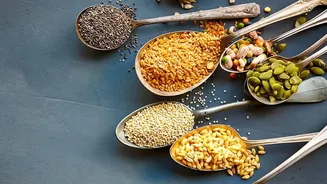
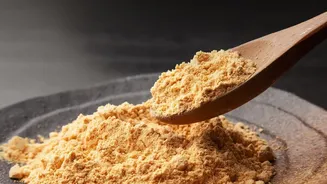
If protein is your main goal, pumpkin seeds are an excellent choice. They are one of the richest plant-based sources of protein, offering about 8-10 grams per 30-gram serving. They are also a great source of magnesium, zinc, and iron. The flavour is mild and nutty, which complements the savoury taste of dosa batter well. For best results, lightly roast raw pumpkin seeds until they are fragrant, allow them to cool completely, and then grind them into a fine powder. A coarser grind can affect the dosa's texture.
2. Flax Seeds: For Fibre and Omega-3s
Flax seeds are nutritional superstars celebrated for their high content of omega-3 fatty acids and dietary fiber. Adding milled flax seeds to your batter not only increases its protein content but also introduces anti-inflammatory properties and improves digestion. Be aware that flax seeds absorb a lot of water and can create a gel-like consistency, which can actually make your dosas softer. For this reason, it's best to use milled or ground flax seeds, as they blend more easily. Some cooks recommend adding the flax powder towards the end of the grinding process to ensure a smooth batter.
3. Chia Seeds: The Hydration Hero
Like flax, chia seeds are rich in fiber, omega-3s, and protein. They are also a good source of calcium, making them great for bone health. When added to liquid, chia seeds form a gel, which can help create a softer, more pliable dosa. Some people find this gives the dosa a pleasant texture, while others might prefer the crispiness from a traditional batter. They have a very neutral flavour, so they won't noticeably alter the taste of your dosa. A little goes a long way, so start with a small amount.
4. Sunflower Seeds: A Dose of Vitamin E
Sunflower seeds provide a good amount of protein, but their standout nutrient is Vitamin E, a powerful antioxidant that helps protect your cells from damage. They also contribute healthy fats and magnesium. Their flavour is mild and slightly nutty. Just like with pumpkin seeds, you can lightly toast and grind them into a powder before adding them to your batter. They can be a great part of a mixed-seed powder to get a wider range of nutrients.
A Quick Guide to Preparation and Mixing
To get started, the process is simple. First, choose your seeds. You can use one type or create a blend for a broader nutritional profile. Lightly dry-roasting the seeds (except chia) before grinding can enhance their flavour, but raw is fine too. Use a powerful blender or a dedicated spice grinder to turn the seeds into a fine powder; a coarse grind can make the batter gritty and prevent the dosa from spreading evenly. A good rule of thumb is to start by adding 2-3 tablespoons of seed powder for every cup of your traditional dosa batter ingredients (rice and dal). You can mix the powder into the batter right after grinding and before fermentation. If you find the batter becomes too thick, especially when using flax or chia, you can adjust by adding a little more water until you reach the desired consistency. Remember that fermentation is key, so allow the batter to rest in a warm spot for at least 8-12 hours.