


The Magic of a Monsoon-Proof Paradise
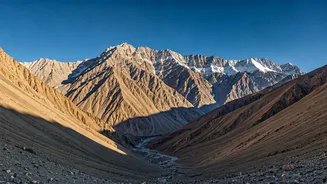
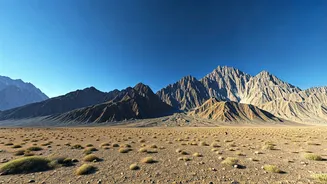
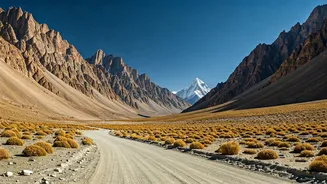
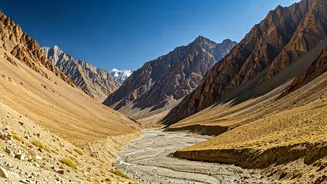
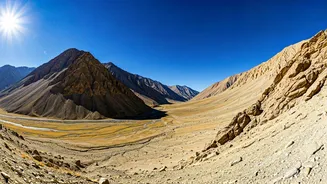
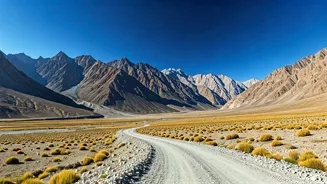
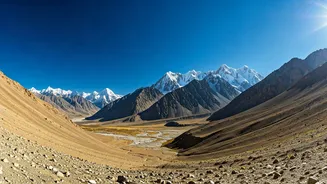
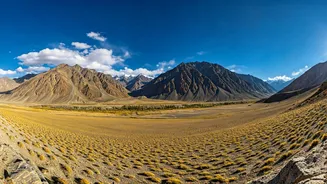
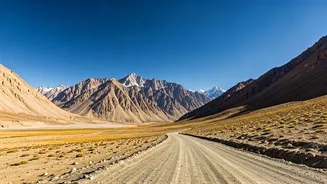
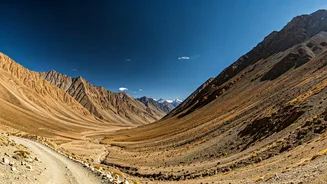
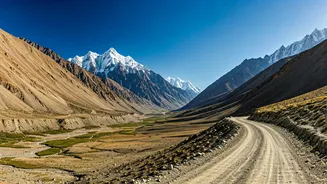
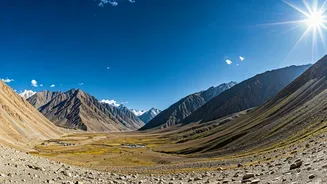
Spiti Valley's secret lies in its geography. Tucked away in the trans-Himalayan belt, it lies in a "rain-shadow" region. The towering Himalayan ranges to the south block the moisture-laden monsoon clouds, resulting in a stark, cold desert climate with
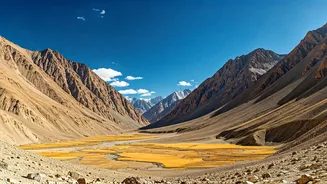
minimal rainfall, even between July and September. This means while other destinations face landslides and endless rain, Spiti offers clear blue skies, accessible roads, and perfect conditions for exploration. The little moisture that does arrive can even bring a surprising, faint green hue to parts of the valley, creating a stunning contrast against the barren brown mountains.
Charting Your Course: The Two Paths to Spiti
Reaching this remote paradise is an adventure in itself, with two primary routes. The first is from Shimla via Kinnaur. This path is longer, typically taking two days to reach Kaza, the main town in Spiti. However, its ascent is more gradual, which is crucial for acclimatising to the high altitude and reducing the risk of Acute Mountain Sickness (AMS). This route is generally considered more reliable year-round. The second route is the shorter, more dramatic path from Manali via the Kunzum Pass. While thrilling, it involves a rapid gain in altitude and roads that can be challenging, especially with water crossings and rough patches. For a balanced and safer journey, many seasoned travellers recommend entering via Shimla and exiting via Manali.
An Itinerary of Otherworldly Wonders
Once in Spiti, a world of ancient culture and breathtaking landscapes unfolds. Kaza serves as the perfect base to explore the region. A must-visit is the iconic Key Monastery, dramatically perched on a hilltop overlooking the Spiti River. The circuit of high-altitude villages—Komic, one of the highest motorable villages in the world; Hikkim, home to the world's highest post office; and Langza, with its giant Buddha statue and rich fossil deposits—offers a glimpse into resilient mountain life. Other essential stops include the Tabo Monastery, a UNESCO heritage site known as the 'Ajanta of the Himalayas' for its ancient murals, and the stunningly located Dhankar Monastery, which seems to cling precariously to a cliffside. For those with more time, the crescent-shaped Chandratal Lake is a jewel of the Himalayas.
Essential Toolkit for High-Altitude Travel
Planning is key for a safe and enjoyable trip. Acclimatization is non-negotiable. Spend at least a day or two at an intermediate altitude before ascending further. Hydration is your best friend; aim to drink 3-4 litres of water daily. Pack in layers: thermal inners, fleece jackets, and a windproof outer layer are essential as temperatures can drop suddenly, even in summer. Sun protection, including sunscreen, sunglasses, and a hat, is crucial due to the harsh sun at high altitudes. While Indian nationals do not require an Inner Line Permit for most of Spiti, it is mandatory to carry a valid government-issued photo ID for registrations at various checkposts. Lastly, mobile connectivity is sparse, with BSNL postpaid offering the most reliable service in and around Kaza. Be prepared to disconnect and embrace the solitude.