



Understanding the Forex Rollercoaster
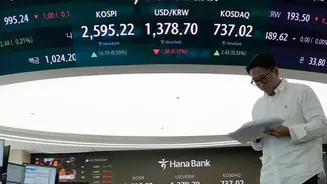
The Rupee-to-Dollar exchange rate isn't static; it moves daily based on global economic factors, inflation, interest rates, and market speculation. In 2026, the Rupee has seen significant movement, trading in a wide range and hitting a record low in May
before recovering. This volatility means the budget you set in Rupees might not stretch as far as you'd hoped by the time you travel. For travellers, this uncertainty is the biggest challenge, as a weaker Rupee directly increases the cost of everything from hotels to meals abroad.
Cash, Credit Card, or Forex Card?
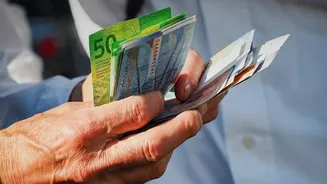
Carrying a mix of payment options is always wise. While cash is essential for small expenses, relying on it entirely is risky. Your domestic debit and credit cards are convenient but often come with hefty foreign transaction fees, typically 2-4% on every purchase. Forex cards are often the most cost-effective solution. They are prepaid cards that allow you to load foreign currency, like US Dollars, at a fixed exchange rate before you travel. This locks in your rate, protecting you from any further dips in the Rupee's value during your trip. Many forex cards also have lower transaction charges and better security features than carrying wads of cash.
Beware the 'Dynamic Currency Conversion' Trap
When paying with your card abroad, you might be asked if you want to pay in Indian Rupees (INR) or the local currency (e.g., USD). Choosing INR seems convenient because you see the exact cost in a familiar currency. This is called Dynamic Currency Conversion (DCC), and it's a costly trap. The exchange rate for DCC is set by the merchant's bank, not yours, and almost always includes a significant markup of 3% to 8%. To avoid this unnecessary charge, always choose to pay in the local currency. Let your own bank or card network handle the conversion; their rate is consistently better.
Smart Forex Planning Strategies
Timing your currency exchange can lead to significant savings. Don't leave it for the airport, where exchange rates are notoriously poor. Instead, plan ahead. Start monitoring rates a few weeks before your trip and consider buying your forex in smaller chunks to average out the cost. Using online forex platforms or your local bank can secure better rates. It's recommended to exchange at least enough cash for your first few days and load the majority of your budget—around 70%—onto a forex card.
Budgeting for Uncertainty
Given the unpredictable nature of exchange rates, it's crucial to build a buffer into your travel budget. A smart approach is to add an extra 5-10% to your total estimated expenses. This contingency fund provides a safety net, ensuring that a sudden drop in the Rupee's value doesn't force you to cut back on planned activities. Using a budgeting app to track your spending in real-time can also help you stay on track and make adjustments as needed. A flexible budget allows you to adapt to changing costs without derailing your trip.