






Why Seasonal Eating Matters Most Now
During the monsoon, the damp environment can become a breeding ground for germs, and our digestive systems often become sluggish. Ayurveda has long advised eating lighter, easily digestible foods during this season. Opting for seasonal vegetables isn't
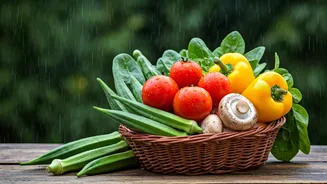
just a trend; it's a time-tested strategy for wellness. These vegetables are at their nutritional peak, have a lower risk of spoilage and contamination, and their inherent properties often align with what our bodies need to combat the season's challenges. They are fresher, taste better, and because they are in abundance, they are often more affordable. It’s a simple choice that supports both your health and local farmers.
Gourds: The Undisputed Champions
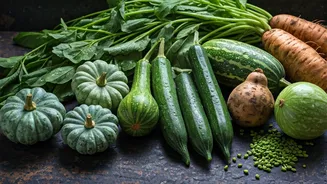
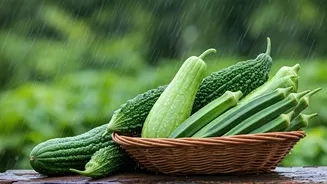
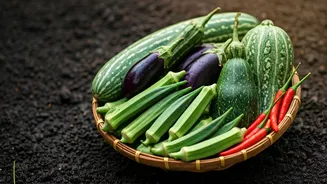
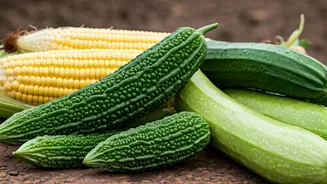
The gourd family is the star of the monsoon kitchen. Vegetables like bottle gourd (lauki), ridge gourd (turai), snake gourd (chichinda), and Indian round gourd (tinda) are incredibly light on the stomach and easy to digest. Composed of over 90% water, they keep you hydrated and are packed with essential fibre. Their mild flavour makes them incredibly versatile—perfect for simple sabzis, flavourful dals, comforting soups, or even koftas. Their high-fibre content aids digestion and helps maintain a healthy gut, which is crucial for building strong immunity during this time.
The Power of Bitter Flavours
While not everyone's favourite, bitter vegetables like bitter gourd (karela) and fenugreek (methi) are monsoon powerhouses. According to traditional Indian wisdom, their bitter taste has antimicrobial and anti-inflammatory properties that help ward off infections. Karela is loaded with Vitamin C, which is a potent antioxidant that strengthens the immune system. It also helps in managing blood sugar levels. If the bitterness is too intense, you can reduce it by soaking the chopped vegetable in salt water before cooking. Sautéing it with onions, potatoes, or in a stuffed preparation makes it far more palatable and just as healthy.
Cruciferous Heroes: Cauliflower and Cabbage
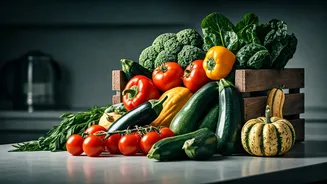
While it's wise to be cautious with leafy greens that can harbour dirt and germs in their folds, well-cooked cruciferous vegetables are excellent choices. Cauliflower (gobi) and cabbage (patta gobhi) are packed with immunity-boosting nutrients and fibre. The key is preparation. Ensure you wash them thoroughly, perhaps by blanching them in hot salt water for a few minutes before you start cooking. This helps eliminate any impurities. These veggies are fantastic in stir-fries, sabzis, and parathas, offering a satisfying crunch and a wealth of health benefits.
The Humble, Hearty Pumpkin
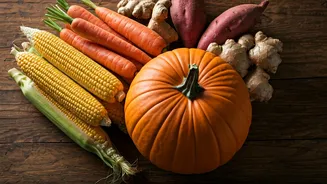
Yellow and orange vegetables are your best friends for building immunity, and pumpkin (kaddu) leads the charge. It is an excellent source of beta-carotene, which the body converts into Vitamin A—a critical nutrient for a strong immune system and good vision. Pumpkin is also rich in antioxidants and fibre. Its natural sweetness makes it a favourite in both savoury and sweet dishes across India, from spicy kaddu ki sabzi to the comforting dessert, halwa. It’s filling, nutritious, and a wonderfully warming addition to any monsoon meal.
Rooting for Good Health
Root vegetables that grow underground are generally a safer bet during the monsoon as they are protected from the external dampness and pests. Sweet potato (shakarkandi), yam (suran), and colocasia (arbi) are fantastic options. They are dense in energy, packed with fibre, and provide a host of vitamins and minerals. They are grounding, filling, and less perishable than other vegetables. Roasting, boiling, or turning them into a simple stir-fry are great ways to incorporate these earthy, nourishing vegetables into your diet, providing sustained energy on gloomy, rainy days.