


The Ancient Wisdom of Winter Wellness
The foundation of India's seasonal eating habits lies in Ayurveda, the ancient science of life. According to Ayurvedic principles, winter is a season dominated by the Vata and Kapha doshas, which are characterized by cold, dry, and heavy qualities. To
counteract this, Ayurveda recommends a diet that provides warmth, moisture, and nourishment. The body’s digestive fire, or 'Agni', is considered to be strongest in winter, making it the ideal time to consume richer, more nutrient-dense foods that might be harder to digest in other seasons. This is why winter meals are intentionally designed to be warming and grounding, helping to balance the body against the external environment.
Hearty Grains for Inner Warmth
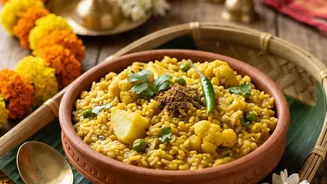
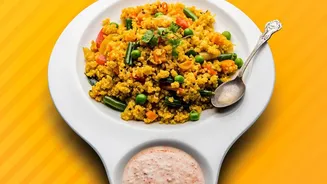
Winter sees a prominent shift from lighter grains to heartier, earthier millets like bajra (pearl millet) and jowar (sorghum). This is no coincidence. Bajra, a staple in the western states of Rajasthan and Gujarat, is known for its 'warm potency'. It is rich in protein, fibre, and minerals like magnesium and iron, providing sustained energy that helps generate internal heat. Jowar is another winter favourite, praised for being gluten-free and packed with antioxidants that support heart health. These millets are not just empty calories; they are complex carbohydrates with a low glycemic index, meaning they release energy slowly, keeping you fuller and warmer for longer. Traditional preparations like bajra roti or jowar khichdi are perfect vehicles for these nourishing grains.
Liquid Gold for Cold Days
Ghee, or clarified butter, is revered in Indian households and is especially crucial during winter. Far from being an unhealthy fat, pure ghee is a source of healthy saturated fats, including omega-3s, and fat-soluble vitamins like A, D, E, and K. According to Ayurveda, ghee has a warming effect on the body. Consuming it helps create and retain body heat. It also acts as a natural lubricant for the joints, which can become stiff in the cold. Furthermore, ghee aids digestion by stimulating the production of digestive enzymes, which is helpful when eating the heavier foods typical of winter. A dollop of ghee on a hot roti or in a bowl of dal is not just for flavour; it's a dose of winter wellness.
Nature’s Perfect Winter Fuel
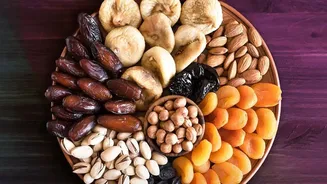
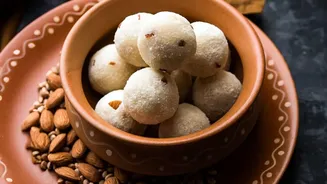
Walk through any market in India during winter, and you'll find vendors selling an abundance of nuts and seeds. Almonds, walnuts, and especially sesame seeds (til) are integral to winter cuisine. These are nutritional powerhouses, packed with healthy fats, proteins, vitamins, and minerals. They are a concentrated source of energy, providing the fuel your body needs to stay warm. Sesame seeds, in particular, are prized for their warming properties and high calcium content. This is why sweets like 'til gur laddoo' (sesame and jaggery balls) and 'chikki' (a brittle made with nuts and jaggery) are so popular during festivals like Lohri and Makar Sankranti. They are the perfect healthy snack to provide a quick burst of heat and energy on a cold day.
Sweetness with a Purpose
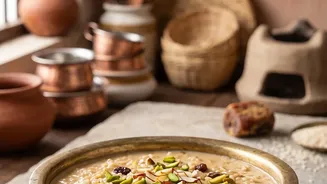
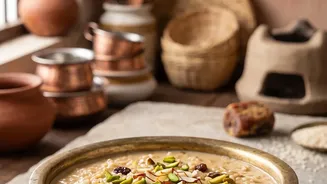
Even the choice of sweetener during Indian winters is deliberate. Refined sugar is often replaced with jaggery (gur), an unrefined sugar made from sugarcane juice. Jaggery is rich in essential minerals like iron and magnesium and is known to produce heat in the body. Unlike white sugar, which provides empty calories, jaggery offers a more complex sweetness and a host of health benefits, including aiding digestion and purifying the blood. It is the backbone of countless winter sweets, from the aforementioned chikkis and laddoos to warm desserts like 'gur ki kheer'. This pairing of jaggery with nuts and seeds creates treats that are not only delicious but also functionally designed to support the body through the cold season.