




The Forgotten Superfood: Sattu
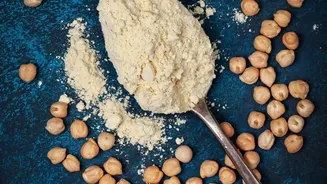
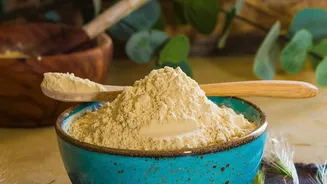
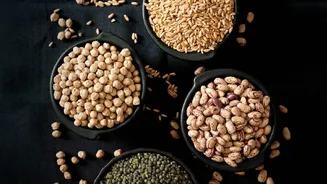
Long dismissed as 'poor man's protein', sattu is making a major comeback. This humble flour, typically made from roasted Bengal gram (chana), is a nutritional powerhouse that has been a staple in regions like Bihar, Uttar Pradesh, and Jharkhand for centuries.
Packing an impressive 20-26 grams of protein per 100g, it rivals many commercial powders. Beyond just protein, sattu is loaded with insoluble fibre, which aids digestion and promotes a feeling of fullness, making it excellent for weight management. It's also rich in essential minerals like iron, magnesium, and calcium. The roasting process not only gives sattu its unique nutty flavour but also makes it highly digestible. Its low glycemic index ensures a slow release of energy, preventing the sugar crashes associated with many processed foods.
The Power of Sprouting
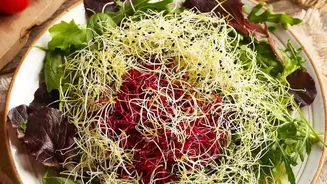
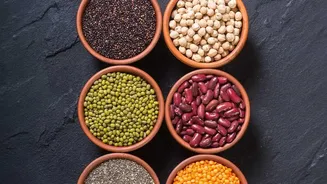
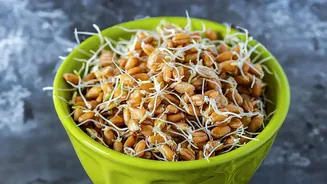
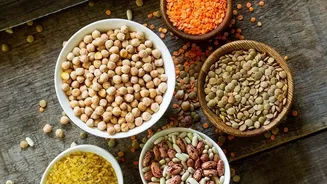
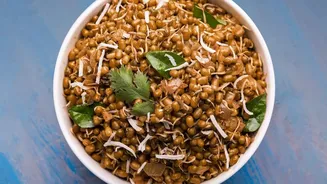
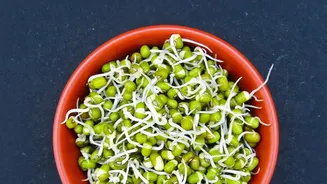
Alongside sattu, sprouted legumes are filling the bowls of health-conscious Indians. Sprouting is a simple process of germinating legumes like moong, chickpeas (chana), or lentils. This magical transformation dramatically increases their nutritional value. Studies show that sprouting can enhance the bioavailability of nutrients, meaning your body can absorb them more easily. The process reduces antinutrients like phytic acid, which can otherwise hinder the absorption of minerals like iron and zinc. Sprouting also boosts the protein content and quality, making these legumes an excellent food for muscle repair and recovery. A mixed bowl of sprouts provides a complete amino acid profile, especially when combined with grains, offering a 'living food' packed with enzymes that support digestion.
A Shift in Mindset and Culture
This trend is about more than just nutrition; it's a cultural reclamation. For years, Western fitness ideals dominated the conversation, promoting a supplement-first approach. Now, there's a growing sense of pride in India's own food wisdom. Athletes and fitness coaches are increasingly advocating for traditional, whole-food-based nutrition. This shift challenges the notion that optimal fitness can only be achieved with expensive, imported products. By turning to sattu and sprouts, people are embracing a diet that is deeply rooted in their own culture, connecting with ancestral eating habits that have nourished generations. It’s a move towards food that is both familiar and scientifically sound.
The Economic and Practical Advantage
The economic argument is undeniable. Sattu and legumes are significantly more affordable than most whey protein supplements, which can be prohibitively expensive for many. While a kilogram of whey protein can cost thousands of rupees, the same amount of sattu is available for a fraction of the price. Furthermore, there is growing awareness about the potential downsides of supplements, including the risk of adulteration and digestive issues like bloating. Sattu and sprouts are whole foods, offering fibre and micronutrients that processed powders lack. They are also more sustainable, with a lower carbon footprint compared to industrially produced supplements.
Easy to Incorporate
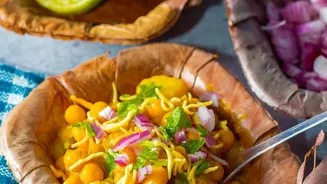
Joining this food movement is simple. Sattu is incredibly versatile. The most common way to consume it is as a refreshing and hydrating drink, mixed with water, a pinch of salt, and a squeeze of lemon. This makes for an excellent post-workout recovery drink or a filling morning meal. It can also be mixed into dough to make high-protein rotis or parathas. Sprouted legume bowls are just as easy. A mix of sprouted moong, chana, and lentils can be lightly steamed or eaten raw, tossed with chopped onions, tomatoes, and spices for a quick, nutrient-dense salad or snack.