
An Unplanned Journey's End
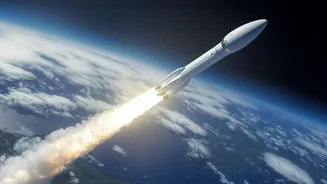
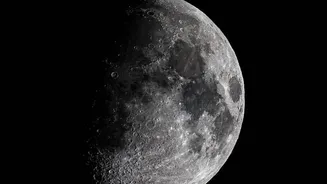
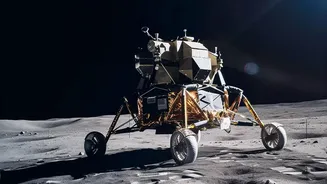
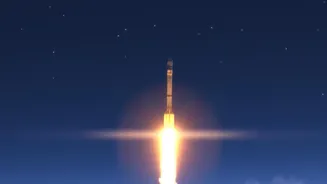
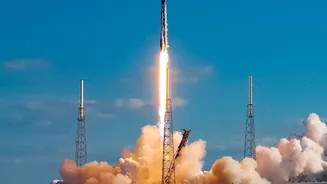
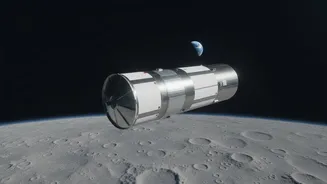
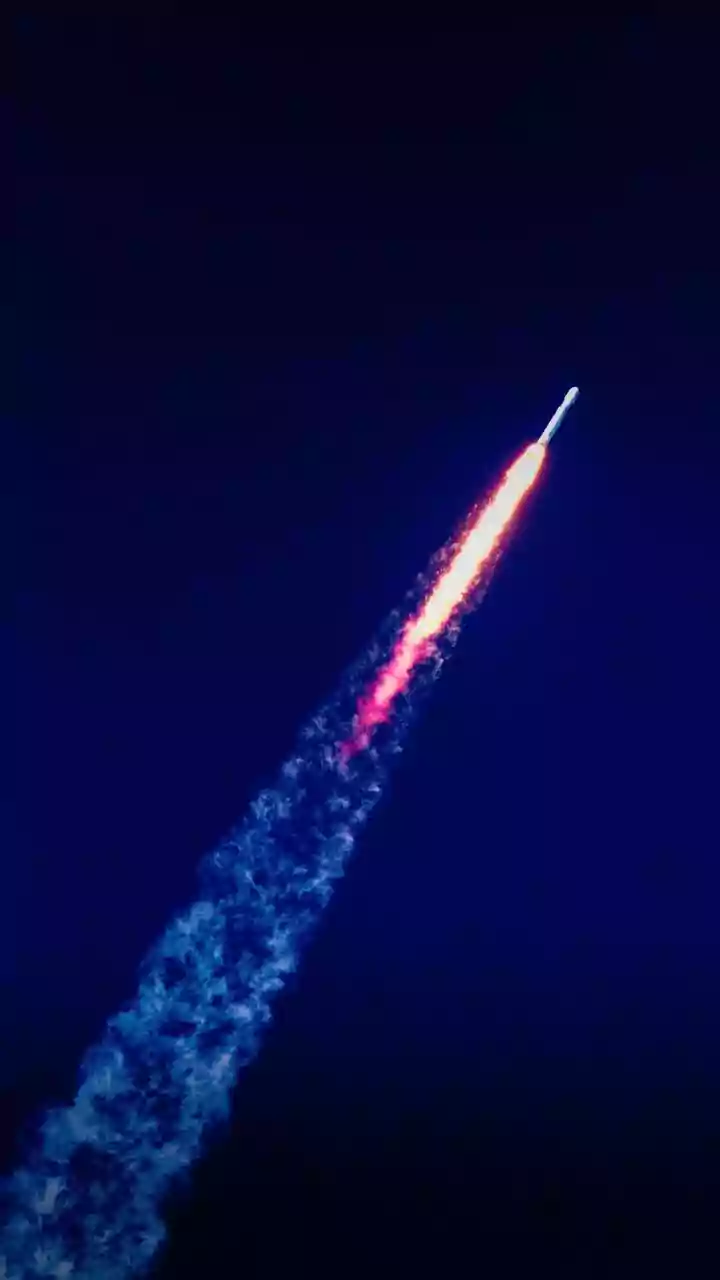
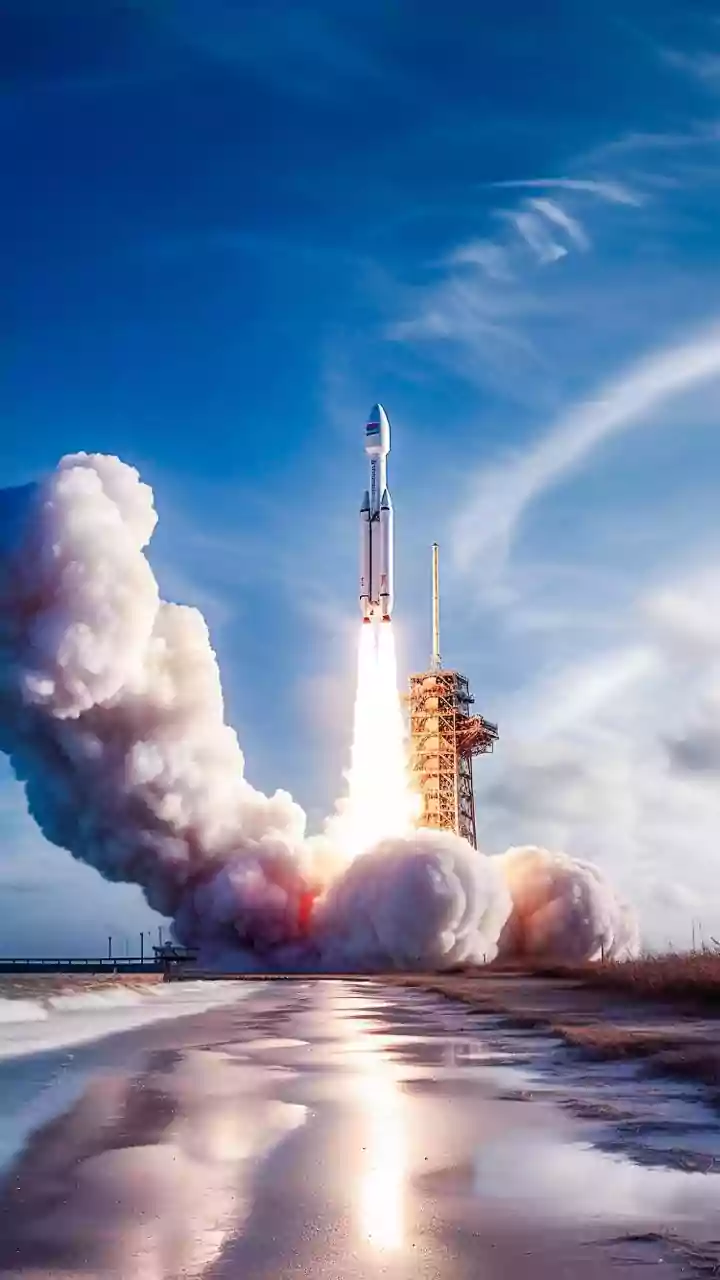
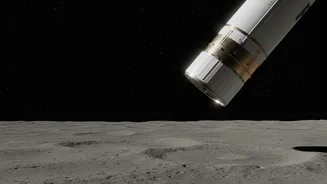
On August 5, 2026, the upper stage of a Falcon 9 rocket ended its 19-month journey through space with a dramatic collision near the Moon's Einstein Crater. Launched in January 2025 to deploy two lunar landers, the bus-sized component completed its primary
mission and was left in a high orbit. Typically, such stages are directed to burn up in Earth's atmosphere. However, a complex and unpredictable dance of gravitational forces from the Earth, Moon, and Sun, combined with the gentle push of solar radiation, slowly nudged its trajectory until a lunar impact became inevitable. SpaceX confirmed the collision was unintentional, but for astronomers who had been tracking its path for months, this accident was a golden opportunity.
Analysing the Dust Cloud
One of the most anticipated moments of the impact was the creation of an ejecta plume—a massive cloud of lunar dust and rock kicked up from beneath the surface. Since the impact occurred on the far side of the moon, it wasn't visible directly from Earth. However, powerful instruments like the European Southern Observatory's Very Large Telescope in Chile were pointed at the Moon to analyse the chemical composition of this plume as it briefly caught the sunlight. Scientists reported detecting the 'spectral fingerprints' of sodium and lithium gas within minutes of the crash. The sodium is believed to have come from the lunar soil itself, while the lithium was likely from the rocket's own components. This analysis provides a rare glimpse into the composition of subsurface material without needing to land a probe and dig.
Making the Moon Quake
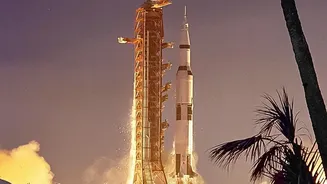
An impact of this scale—with a known mass, velocity, and location—is a perfect event for lunar seismology, the study of 'moonquakes'. During the Apollo missions, NASA deliberately crashed spent rocket stages onto the Moon to study how the resulting seismic waves travelled through its interior. Those experiments helped us understand the Moon has a core and crust. This Falcon 9 impact serves a similar purpose. Though no active seismometers from the Apollo era are still functioning, the event allows scientists to refine models for how shockwaves propagate through lunar rock. This data is invaluable for planning future missions that may deploy new, more advanced seismic sensors, helping to create a clearer map of what lies deep beneath our feet when we return to the Moon.
A Perfect Crater for Study
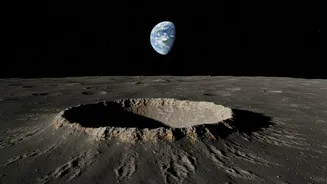
Beyond the plume and the quake, the physical scar left on the surface is a major point of interest. Scientists estimate the crash carved out a new crater potentially up to 100 feet wide. NASA's Lunar Reconnaissance Orbiter (LRO) and South Korea's Pathfinder Lunar Orbiter are scheduled to photograph the site in the coming days and weeks. Because researchers know the exact properties of the impactor, they can compare the real crater to their computer models. This allows them to test and improve their understanding of crater formation, which is fundamental to lunar geology. Knowing how impacts displace rock and dust is also critical for designing safer lunar habitats for future astronauts, protecting them from debris thrown by both natural meteoroid strikes and other artificial impacts.
A Fortunate but Cautionary Tale
While scientists are making the most of this unexpected event, it also highlights a growing concern: the accumulation of space debris beyond Earth's immediate orbit. This was only the second time a piece of human-made debris is known to have accidentally hit the Moon. With dozens of public and private lunar missions planned over the next decade, the space between the Earth and Moon is getting more crowded. The crash serves as a reminder that international guidelines for the disposal of deep-space hardware are becoming increasingly necessary. Without clear rules, the risk of accidental collisions, contamination of pristine lunar sites, and damage to future infrastructure will only grow. This 'accidental experiment', while beneficial, underscores the need for more responsible stewardship of our celestial neighbour.