





Beyond the Gym: What Is Movement Capacity?
Before diving into the 'how,' let's understand the 'what.' Everyday movement capacity isn't about lifting the heaviest weights at the gym or running a marathon. It’s about how your body handles the physical demands of daily life. This includes carrying
shopping bags, lifting a child, putting a suitcase in an overhead bin, or simply getting up from a chair without a groan. It’s about having the strength, stability, and mobility to move through your day with ease and confidence. Strengthening your muscles improves balance and coordination, which is crucial for preventing falls and injuries as you go about your day. Think of it as functional fitness — training your body to perform real-world activities efficiently and safely. When your movement capacity is high, you feel more energetic, capable, and resilient.
The 'Gradual' Secret to Getting Stronger
The key to building this capacity lies in a principle called progressive overload, which simply means gradually increasing the challenge placed on your muscles over time. Your body is incredibly adaptive; when you consistently challenge it slightly beyond its current comfort zone, it responds by getting stronger. The 'gradual' part is the most important aspect of this process. Pushing too hard, too fast is a recipe for injury and burnout. Instead of dramatically increasing difficulty, you make small, consistent adjustments. This might mean adding a few more repetitions, increasing the weight you’re using, or reducing rest times between sets. This methodical approach ensures your muscles, bones, and connective tissues can adapt safely, leading to sustainable, long-term strength.
Your First Tool: Mastering Bodyweight
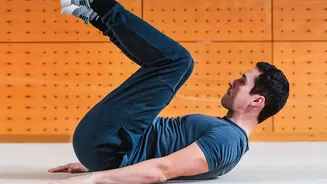
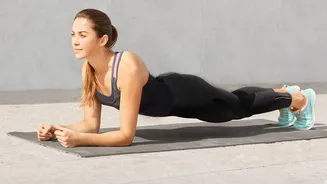
You don't need a gym membership or expensive equipment to start. Your own body is a powerful tool for resistance training. Mastering foundational bodyweight movements is the perfect starting point for building a solid base of strength and stability. Exercises like squats, lunges, push-ups, and planks are fundamental because they mimic everyday actions. For example, a squat is the same pattern you use to sit and stand. The principle of gradual progression applies here, too. If a full push-up is too difficult, start with wall push-ups or push-ups on your knees. As you get stronger, you can progress to incline push-ups and then eventually to the full movement. Similarly, you can start with chair-assisted squats and work your way toward unassisted bodyweight squats. The goal is to master the form before adding more complex variations.
Adding Resistance Without a Full Weight Rack
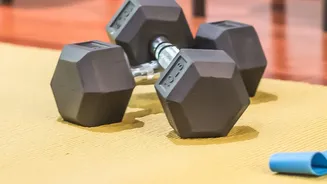
Once you feel confident with bodyweight exercises, you can introduce external resistance to continue challenging your muscles. This doesn’t mean you need to invest in a full set of dumbbells. Inexpensive and versatile tools like resistance bands are an excellent next step. They come in various tension levels and can be used for a huge range of exercises that target muscles throughout your body. You can also get creative with household items. A bag of rice, a full water jug, or a sturdy backpack filled with books can all serve as weights for exercises like bicep curls, overhead presses, or weighted squats. The focus remains on good form and gradual increases in difficulty. The aim is to stimulate muscle growth and improve bone density, which is especially important for maintaining mobility as we age.
Turn Your Daily Chores Into a Workout
Perhaps the most practical way to improve everyday movement capacity is to reframe your daily activities as opportunities to build strength. Movement isn’t just something that happens during a structured workout; it’s woven into everything you do. When you bring in groceries, make a conscious effort to engage your core and carry the bags with good posture, splitting the weight evenly. Instead of always opting for the lift, take the stairs to build leg strength and cardiovascular endurance. While gardening, focus on hinging at your hips to protect your back when you bend over. By being mindful of how you move during these routine tasks, you reinforce good movement patterns and build functional strength in a way that directly translates to a more capable body. Every small movement adds up and contributes to your overall health and resilience.