


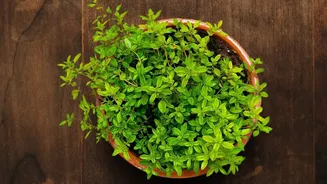
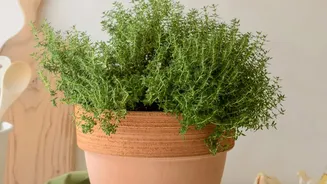
The luxury of snipping fresh, aromatic thyme for a recipe is easier to achieve than you might think. This hardy Mediterranean herb thrives indoors with the right setup, bringing year-round flavour and fragrance to your kitchen.
The Perfect Pot Is Key
Your journey to growing
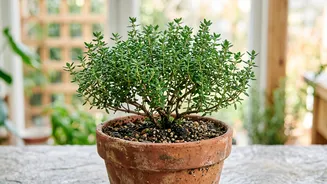
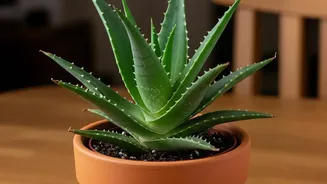
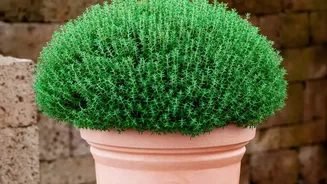
thyme begins with choosing the right container, and this is a step you can't afford to get wrong. Thyme is a Mediterranean native that despises 'wet feet', meaning its roots will quickly rot in soggy soil. The most common mistake for indoor gardeners is overwatering. To prevent this, select a pot with ample drainage holes. A small, porous terracotta or clay pot is an excellent choice because it naturally wicks moisture away from the soil, allowing it to dry out more evenly and providing an extra layer of protection against root rot.
A Gritty and Well-Draining Soil
To complement your well-draining pot, you need a soil mix that does the same. Standard potting compost is designed to retain moisture, which is fatal for thyme. Instead, opt for a gritty, sandy, or loamy soil that allows water to pass through quickly. You can purchase a specialty herb or cactus potting mix, or create your own by amending a standard potting soil with about a third to a half of horticultural sand or perlite. This mimics the rocky, lean soils of thyme's natural habitat and is crucial for preventing the waterlogging that leads to most indoor thyme failures.
Let There Be Light
Thyme is a sun-worshipper and requires at least six hours of bright, direct sunlight each day to flourish. An unobstructed south-facing window is the ideal location in your home. If you don't have access to that much natural light, don't despair. Your thyme can still do well, but you'll likely need to supplement with a grow light for 12 to 14 hours a day. Insufficient light will result in a 'leggy' plant—one with long, weak stems and sparse leaves—as it stretches in search of more sun.
Master the Art of Watering
Remember that thyme is drought-tolerant. It's far better to underwater this herb than to overwater it. The best practice is the 'soak and dry' method. Water the plant thoroughly until it runs from the drainage holes, but then wait for the soil to dry out completely before you water it again. A simple way to check is to poke your finger about an inch or two into the soil; if it feels dry, it's time to water. During winter, when growth slows, you will need to water even less frequently.
Harvest Often for Bushier Growth
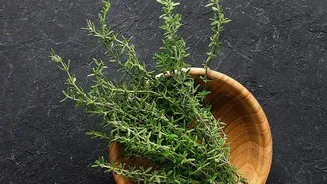
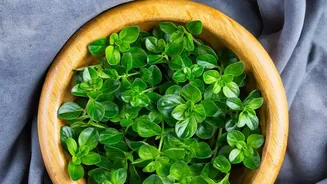
Regular harvesting is the best way to encourage a compact, bushy plant and prevent it from becoming woody. You can start snipping sprigs as soon as the plant is established. For the most potent flavour, harvest thyme just before it begins to flower. Use clean scissors to cut the top two to three inches of the green, tender stems, making your cut just above a set of leaves. Avoid cutting into the tough, woody parts of the plant, as they may not regrow. Don't harvest more than one third of the plant at a time to ensure it remains healthy and productive.
Troubleshooting Common Problems
If your thyme plant looks unhappy, the cause is almost always related to water or light. Yellowing leaves and a wilting appearance, even when the soil is damp, are classic signs of overwatering and root rot. If you suspect this, let the soil dry out completely and consider repotting into a grittier mix. On the other hand, if the stems are long and the leaves are sparse, the plant is not getting enough sunlight and needs to be moved to a brighter location or supplemented with a grow light.