

The Mighty Lentil (Dal)
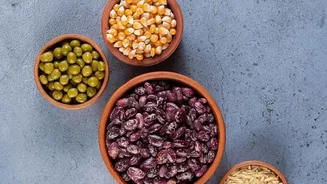
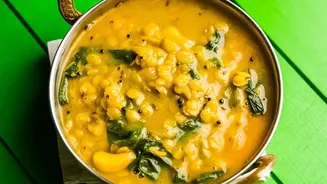
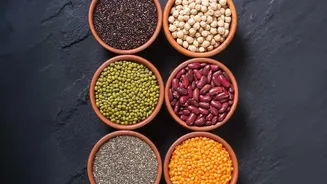
Lentils are the undisputed backbone of Indian vegetarian cooking. From toor and masoor to urad and moong, each dal offers a unique texture and a solid protein punch. A single cooked cup of dal can provide between 15 to 18 grams of protein. The common
practice of pairing dal with rice or roti isn't just for taste; it creates a complete protein profile by combining complementary amino acids. This makes the humble dal-chawal not just comfort food, but a nutritionally complete meal that has sustained generations. Regular consumption is an easy way to ensure a steady intake of protein, fibre, and essential minerals.
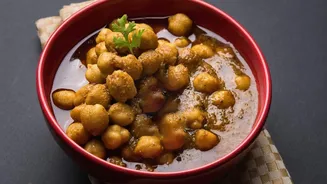
The Versatile Chickpea (Chana)
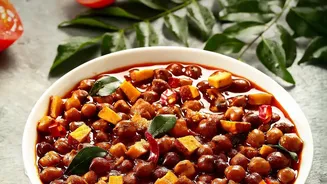
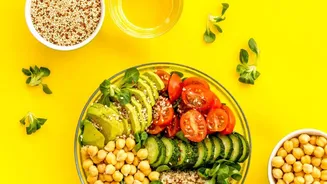
Whether it's the large, white Kabuli chana or the smaller, darker kala chana, chickpeas are a protein powerhouse. A cooked cup of chickpeas packs approximately 15 grams of protein. Beyond the classic chole curry, they are incredibly versatile. Roasted chana makes for a crunchy, high-protein snack that is far healthier than fried alternatives. Boiled chickpeas can be tossed into salads for added substance, mashed into hummus for a creamy dip, or ground into flour (besan) to make a variety of dishes. Their high fibre content also aids in digestion and promotes a feeling of fullness.
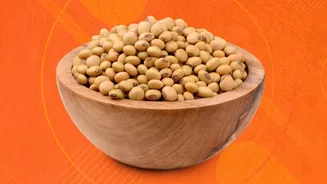
The Power of Soya Chunks
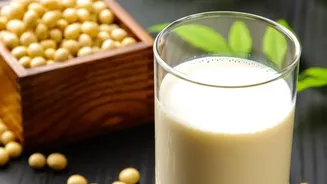
For those seeking the highest concentration of plant-based protein, soya chunks (also known as nutri-nuggets) are a game-changer. Made from defatted soy flour, they boast an impressive 52 grams of protein per 100 grams. Their meaty texture makes them an excellent substitute in dishes that traditionally use minced meat, such as keema. Once boiled, they readily absorb the flavours of any curry, pulao, or stir-fry they are added to. As a complete protein, soy contains all the essential amino acids your body needs, making it a valuable and affordable addition to any vegetarian diet.
The Humble Kidney Bean (Rajma)
A Sunday lunch special in many North Indian homes, rajma is more than just a weekend indulgence. Kidney beans are a rich source of protein, with a cooked cup containing around 15 grams. Paired with rice, rajma-chawal is another classic example of a complete protein meal. Rich in dietary fibre, folate, and manganese, kidney beans support sustained energy release and are incredibly filling, making them a great choice for a hearty, nutritious meal that keeps you full for hours.
The Magic of Gram Flour (Besan)
Made from ground chickpeas, besan is a gluten-free flour that is also a fantastic source of protein. It's an everyday ingredient with extraordinary versatility. You can whip up savoury pancakes like chilla for a quick, protein-rich breakfast, or make the classic Gujarati dhokla. It is also the base for the comforting Punjabi kadhi pakora and can be used to create curries like Gatte ki Sabzi or the Maharashtrian pithla. Its high protein content makes it a more nutritious alternative to other flours for thickening gravies or as a binding agent.
The Superfood Sattu
Hailing from Bihar and Uttar Pradesh, sattu is a flour made from roasted Bengal gram (chana). Often called a 'desi protein powder', 100 grams of sattu can contain about 20-25 grams of protein, along with high fibre. Traditionally mixed with water, salt, and lemon juice to make a cooling, energising drink, sattu is known for providing sustained energy. It can also be used to make parathas, litti, or even added to smoothies, offering a rustic and powerful protein boost that has been a staple for labourers for centuries.
The Seed and Nut Boost
Do not underestimate the power of a handful of nuts and seeds. Peanuts, often considered the budget protein king, offer over 7 grams of protein in a small 30-gram serving. Almonds, walnuts, and pistachios are also great sources of protein and healthy fats. Seeds like pumpkin and sunflower are nutritional powerhouses, with pumpkin seeds providing about 7 grams of protein per 28-gram serving. Sprinkling these on salads, adding them to oatmeal, or simply eating them as a snack is an effortless way to increase your daily protein intake.