

The Two Types of Dietary Iron
Iron is a crucial mineral that our bodies use to create haemoglobin, the protein in red blood cells that carries oxygen from our lungs to the rest of our body. Without enough of it, we can feel tired, weak, and unfocused. Dietary iron comes in two forms:
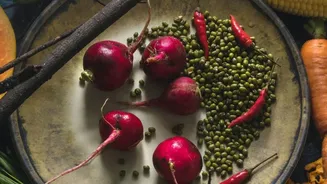
heme and non-heme. Heme iron is found in animal products like meat, poultry, and fish. It's highly bioavailable, meaning our bodies can absorb it quite easily. Non-heme iron, on the other hand, is found in plant-based foods such as leafy greens, beans, lentils, and fortified cereals. While abundant, non-heme iron is trickier for our bodies to absorb, which can pose a challenge for vegetarians, vegans, and anyone reducing their meat intake.
Vitamin C: The Key to Unlocking Plant Iron
This is where Vitamin C, also known as ascorbic acid, plays a starring role. Think of it as the key that unlocks non-heme iron. The science is straightforward but powerful. Most plant-based iron exists in a chemical form called ferric iron (Fe3+), which our gut struggles to take in. Vitamin C is a potent reducing agent, meaning it donates an electron that converts this iron into the much more absorbable ferrous (Fe2+) state. Furthermore, Vitamin C binds to the iron, forming a soluble complex. This prevents the iron from getting locked up by other compounds in our food, keeping it free and available for absorption as it travels through the digestive system.
Does It Really Double Your Uptake?
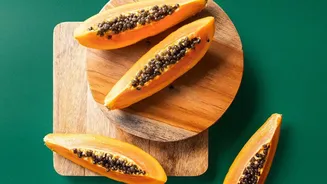
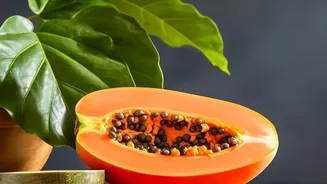
The claim that Vitamin C can double iron absorption isn't just a catchy phrase; it's backed by science. In fact, in some cases, it might be an understatement. Research has shown that adding Vitamin C can increase the bioavailability of non-heme iron by nearly 100%, effectively doubling its uptake. Some studies have recorded even more dramatic results, with certain meals showing a three- to six-fold increase in iron absorption when a good source of Vitamin C is present. Even a modest amount of Vitamin C, around 25 to 50 milligrams per meal, can make a significant difference. For context, a single orange or a cup of strawberries easily provides more than that. This simple pairing is considered one of the most effective ways to enhance iron status on a plant-rich diet.
Smart Pairings for Your Plate
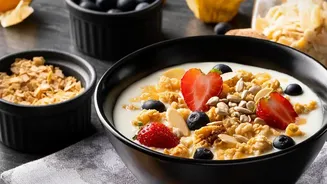
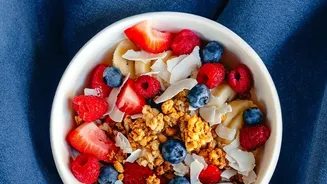
Putting this knowledge into practice is both easy and delicious. The goal is to combine an iron-rich plant food and a Vitamin C-rich food in the same meal. The possibilities are endless and can easily be incorporated into your breakfast, lunch, and dinner. For a powerful start to your day, try oatmeal topped with strawberries and a handful of pumpkin seeds. At lunchtime, a salad built on a base of spinach or kale becomes an iron powerhouse with the addition of bell peppers, tomatoes, and a lemon vinaigrette. For dinner, consider a hearty lentil soup finished with a generous squeeze of fresh lemon juice, or a tofu stir-fry packed with broccoli and orange slices. Even snacks can be optimized: a handful of almonds paired with an orange is a simple and effective combination.
Watch Out for Iron Blockers
Just as Vitamin C can enhance iron absorption, other compounds can hinder it. These are often referred to as 'anti-nutrients', though they can have other health benefits. The primary culprits are phytates, which are found in whole grains, legumes, and nuts, and polyphenols (specifically tannins) found in coffee and tea. Calcium from dairy products can also interfere with the absorption of both heme and non-heme iron. This doesn't mean you should avoid these foods entirely. Instead, strategic timing is key. Try to drink your morning coffee or tea at least an hour before or after your iron-rich meal to prevent the tannins from interfering. If you take a calcium supplement, it's often best to take it at bedtime, away from your main iron-containing meals.