








First, What Is the Skin Barrier?
Think of your skin barrier, or stratum corneum, as a brick wall. The bricks are your skin cells (corneocytes), and the mortar holding them together is a mix of lipids like ceramides, cholesterol, and fatty acids. This wall does two crucial jobs: it keeps
good things in (like water, maintaining hydration) and bad things out (like pollutants, irritants, and bacteria). When this barrier is strong and healthy, your skin looks and feels smooth, calm, and hydrated. When it's compromised, it can lead to a host of problems, including redness, dryness, sensitivity, and breakouts.
The Humidity Paradox
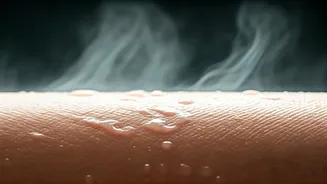
It seems logical that humid air would be great for skin—after all, moisture is good, right? Not exactly. This is the humidity paradox. While low humidity can dry out the skin by pulling moisture from it, very high humidity creates a different set of challenges. The excess moisture in the air signals your skin to produce less of its own natural moisturising factors. More significantly, it can cause the surface layer of skin cells to swell. This swelling can disrupt the tight, organised structure of your 'brick wall,' creating tiny gaps. Furthermore, your sweat doesn't evaporate as quickly, leading to clogged pores, increased oil production, and a perfect environment for acne-causing bacteria and fungus to thrive.
Signs Your Barrier Is Struggling
Your skin will send you signals when humidity is getting the best of it. You might notice an increase in oiliness and shine, yet your skin feels tight or dehydrated underneath. Breakouts, especially small bumps or fungal acne, might become more frequent. Redness, itchiness, and general sensitivity are also classic signs of a compromised barrier. Your regular skincare products might suddenly start to sting or cause irritation. If you feel like your face is a constant battleground of being both oily and uncomfortable, your skin barrier is likely crying out for help.
Adjust Your Cleansing Routine
The first instinct when feeling greasy is to wash your face with a strong, foaming cleanser. This is the worst thing you can do. Harsh cleansers strip the lipid mortar from your skin barrier, making it even more vulnerable. Instead, switch to a gentle, pH-balanced cleanser that removes excess oil and grime without leaving your skin feeling tight and squeaky. For evening routines, consider a double cleanse: start with an oil-based cleanser to dissolve sunscreen and makeup, followed by your gentle water-based cleanser. This ensures you're thoroughly clean without stripping your skin's natural protection.
Lighten Your Moisturising Layers
That rich, heavy cream you loved in the winter will likely feel suffocating in high humidity. It's time to lighten up. Swap thick moisturisers for lightweight alternatives. Look for gel-creams, lotions, or serums with humectants like hyaluronic acid and glycerin. These ingredients pull moisture from the humid air into your skin, but in a lighter formulation. Ingredients like niacinamide are superstars in humid weather; they help regulate oil production, calm inflammation, and support barrier function. Ceramides are also excellent, but look for them in a lighter lotion rather than a heavy balm.
Don't Forget Exfoliation and Sunscreen
With increased oil and sweat, dead skin cells can accumulate, leading to dullness and clogged pores. Incorporate a gentle chemical exfoliant, like a toner or serum with salicylic acid (BHA) or mandelic acid (AHA), into your routine two or three times a week. This helps keep pores clear without physical scrubbing. Finally, never skip sunscreen. The sun’s rays damage your skin barrier regardless of the weather. In humid conditions, opt for a lightweight, gel-based, or fluid sunscreen that offers broad-spectrum protection without feeling greasy or heavy on the skin. This final step is non-negotiable for protecting your barrier from its biggest enemy.