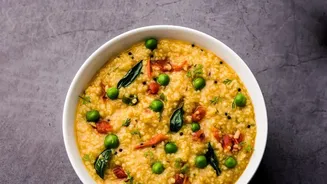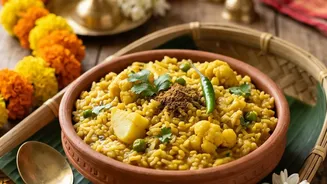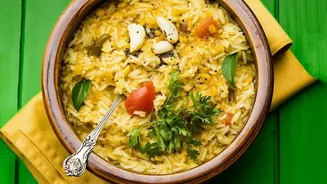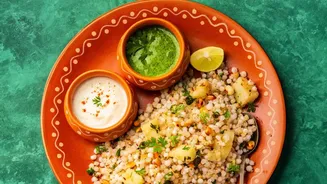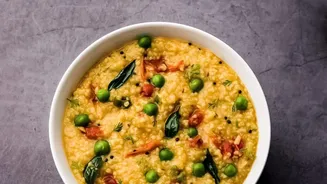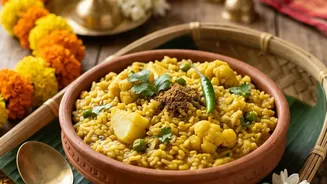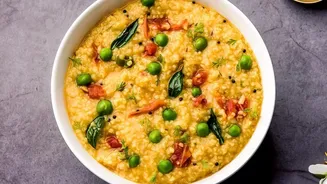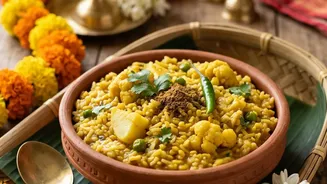

Dalia and khichdi are the ultimate comfort foods in any Indian household. But when it comes to the healthier choice, which one wins? Let's break down the ultimate nutritional showdown between these two beloved dishes and see how to make them better.
The Case for Dalia
Dalia,
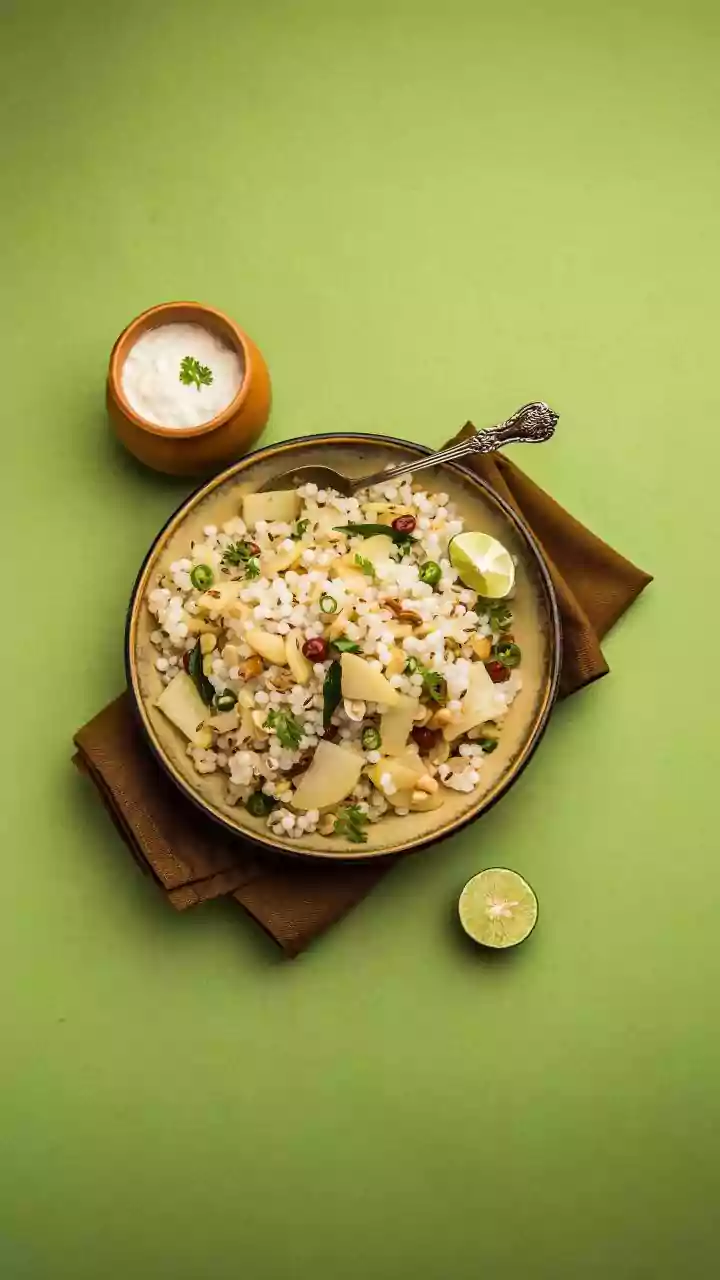
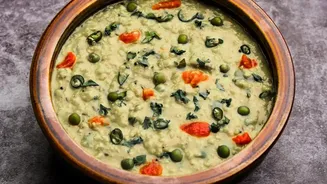
or broken wheat, is a whole grain powerhouse. Its biggest claim to fame is its high fibre content. A single serving delivers a significant amount of dietary fibre, which is crucial for good digestion, preventing constipation, and keeping you feeling full for longer. This feeling of satiety makes dalia an excellent choice for weight management, as it helps curb unnecessary snacking. Furthermore, dalia is packed with complex carbohydrates that break down slowly, providing a steady release of energy without causing sharp spikes in blood sugar. This gives it a low glycemic index, making it a particularly good option for individuals managing diabetes.
The Comfort of Khichdi
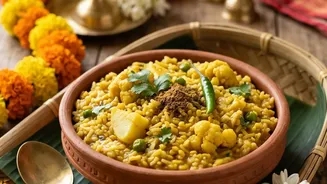
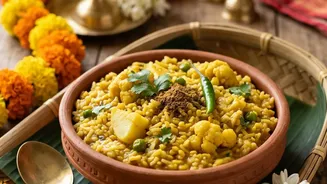
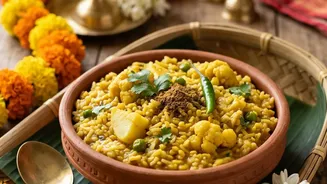
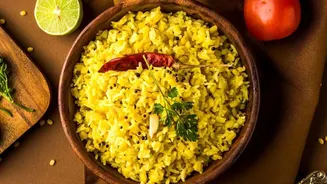
Khichdi, the classic one-pot meal of rice and lentils (usually moong dal), is celebrated for being incredibly light and easy to digest. This is why it's the go-to meal during illness or for anyone with a sensitive stomach. But its benefits go far beyond just being comfort food. The combination of a cereal (rice) and a pulse (dal) creates a complete protein, meaning it provides all the essential amino acids your body needs for functions like muscle repair. While the nutritional profile can change depending on the dal-to-rice ratio and the amount of ghee used, a basic khichdi is a wonderfully balanced and nourishing meal.
The Head-to-Head Showdown
So, when placed side-by-side, which one comes out on top? It really depends on your health goals. For weight loss and blood sugar control, dalia has a distinct advantage due to its superior fibre content and low glycemic index. However, for easy digestion and recovery, khichdi is the undisputed champion. Its soft texture and complete protein profile make it ideal for soothing the gut and replenishing the body. In terms of protein, while khichdi offers a complete protein source, dalia on its own is also rich in protein. To get the best of both, you can even make a dalia khichdi by adding lentils to your broken wheat.
The Ultimate Health Upgrade
Regardless of whether you choose dalia or khichdi, the single best way to elevate either dish is by adding a generous amount of vegetables. This simple step transforms a simple meal into a nutritional powerhouse. Vegetables add a wealth of vitamins, minerals, and antioxidants that might otherwise be lacking. They also contribute additional fibre, further boosting the meal's ability to keep you full and support digestive health. Cooking everything in one pot also helps to retain nutrients that might be lost if vegetables were cooked separately. It’s a simple trick to make your comfort food work even harder for your health.
Best Vegetables to Add
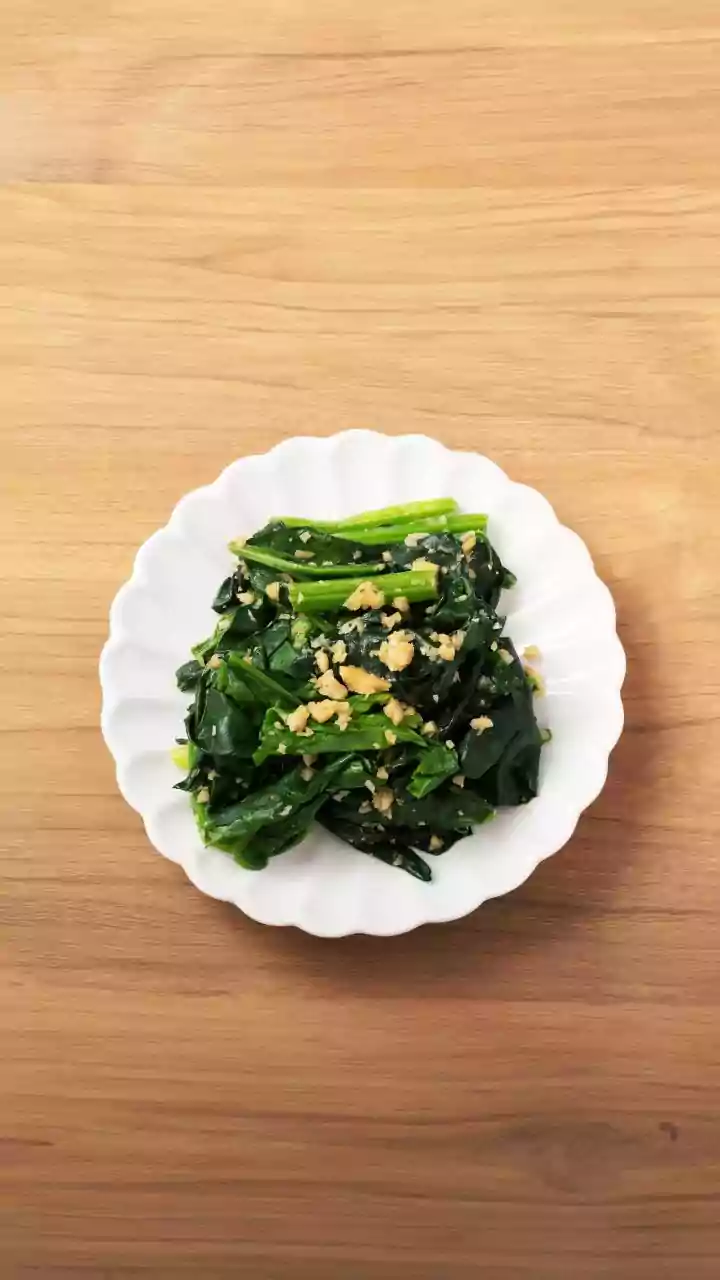
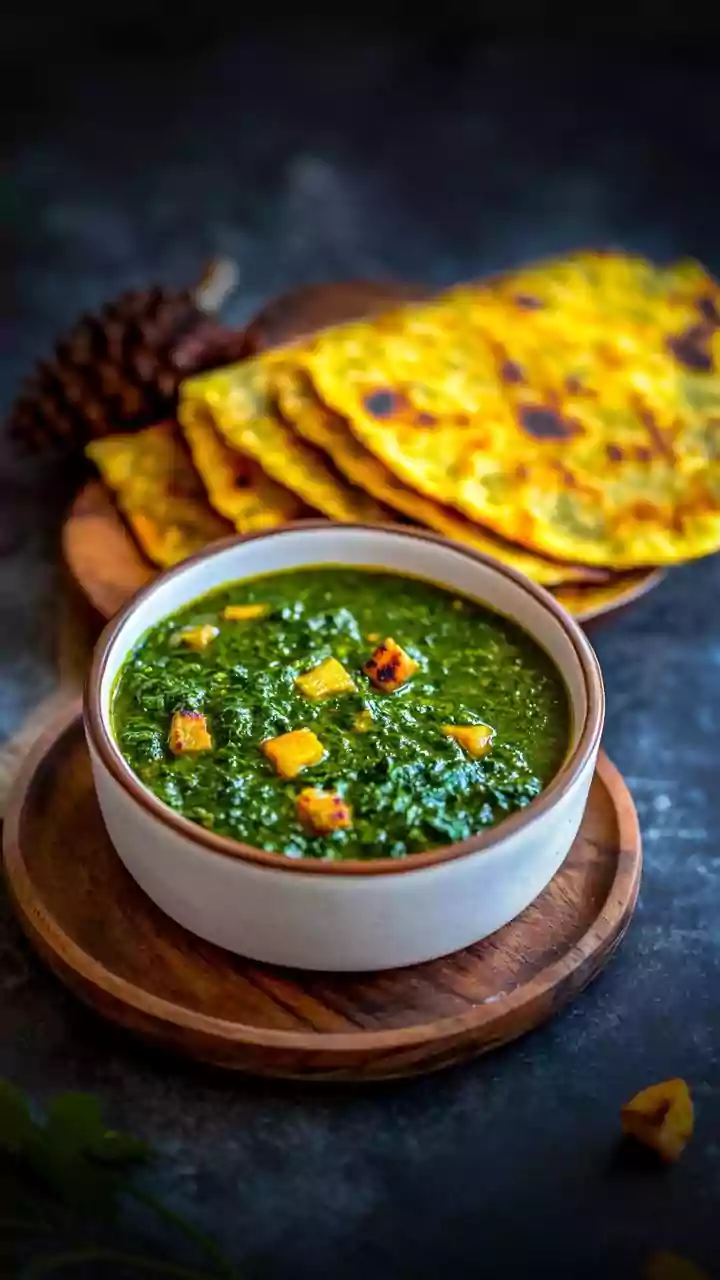
You can add almost any vegetable to dalia or khichdi, but some work particularly well. Finely chopped carrots, green beans, and peas are classic additions that add sweetness and texture. Cauliflower and broccoli can be added for a boost of nutrients, while leafy greens like spinach can be stirred in towards the end of the cooking process to preserve their benefits. For a creamier texture and more cooling properties, vegetables like bottle gourd (lauki) are excellent choices. To prepare, simply sauté the chopped vegetables with your initial tempering of spices before adding the grains and water. This allows them to soften perfectly and infuse the entire dish with flavour and nutrition.