

The Invisible Danger in a Sealed Cabin
On Earth, the vast atmosphere and plant life handily take care of the carbon dioxide (CO2) we exhale. In a spacecraft, it's a different story. Every breath releases CO2, and without a way to remove it, the concentration quickly builds up to toxic levels.
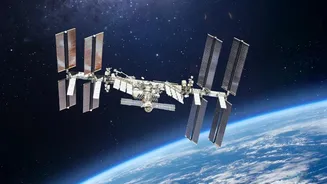
High levels of CO2, a condition called hypercapnia, can cause headaches, confusion, shortness of breath, and eventually, unconsciousness and death. The problem is worse in microgravity, where the lack of air circulation means a pocket of exhaled CO2 can form around a sleeping astronaut's head, posing a deadly risk. Because of this, the International Space Station (ISS) is equipped with fans to keep air moving and sophisticated systems to constantly monitor and scrub CO2 from the air.
Yesterday's Solution for Shorter Stays
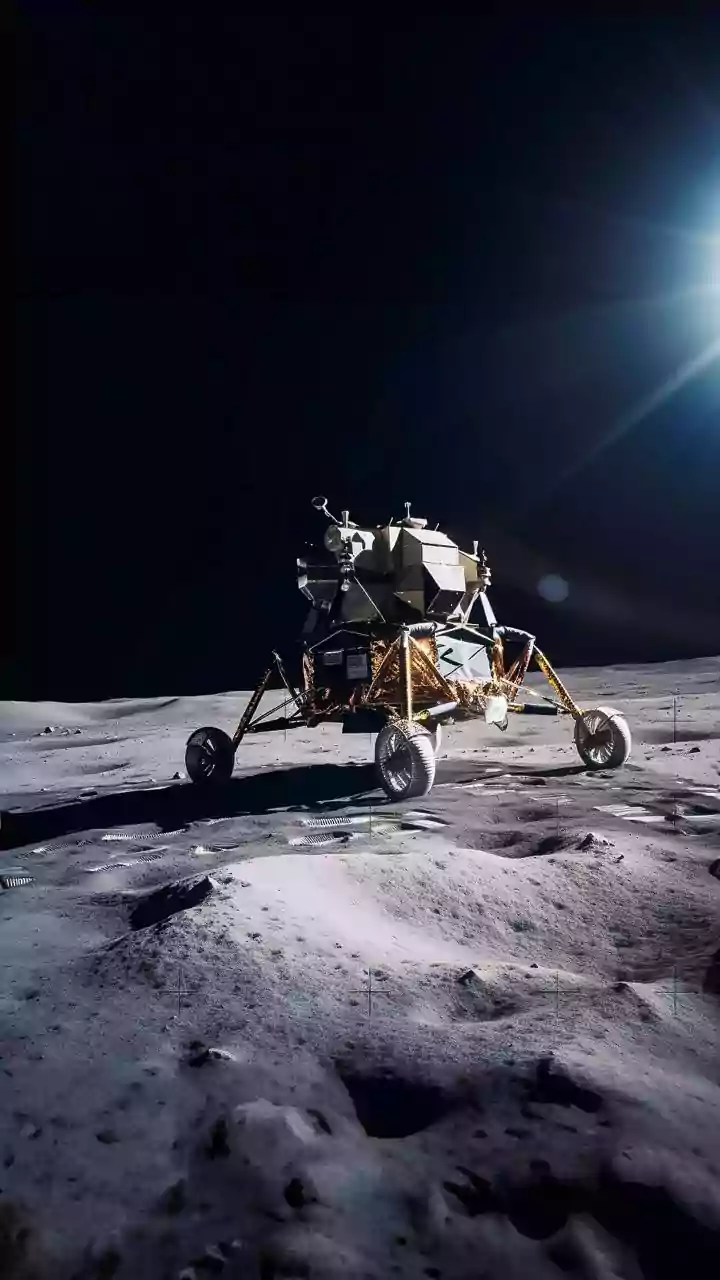
Early space missions, like the Apollo program, used a straightforward but limited solution: consumable chemical scrubbers. These were canisters filled with materials like lithium hydroxide (LiOH) that chemically react with CO2, trapping it and removing it from the air. This method is effective but has a major drawback—the canisters are single-use. As famously demonstrated during the Apollo 13 crisis, once the canisters are full, they're useless, and you need a ready supply of replacements. For short trips to the Moon, this was manageable. But for long-duration missions to Mars, which could last for years, packing enough single-use canisters would take up an impossible amount of weight and space.
Introducing Regenerable Air Scrubbers
This is where next-generation technology comes in. To make deep space travel feasible, NASA and its partners are focused on creating 'closed-loop' life support systems that recycle and regenerate resources. The latest air scrubbers are designed to be regenerable, meaning they can be reused over and over. Systems like the 4-Bed Carbon Dioxide Scrubber (4BCO2), which has been tested on the ISS, use advanced materials called molecular sieves, such as zeolites or specialized amines. These materials work through adsorption—CO2 molecules stick to the material's porous surface as cabin air is passed over it. Instead of being thrown away, the system can then be 'cleaned'. By exposing the material to the vacuum of space and heating it, the trapped CO2 is vented away, regenerating the sorbent so it can be used again.
Innovations for a Mars-Ready Future
Engineers are pushing the envelope even further. One advanced system, the Thermal Amine Scrubber, uses actively heated and cooled amine-based technology to purify the air. Another promising area involves using liquid sorbents, which have a much higher capacity for absorbing CO2 than their solid counterparts and require less energy to regenerate. NASA is developing a system that uses thin films of a liquid sorbent held in place by capillary forces inside a 3D-printed device, eliminating the need for bulky, power-hungry compressors. Other cutting-edge research includes the Carbon Dioxide Removal by Ionic Liquids System (CDRILS), which could not only scrub the air but also enable systems that convert the captured CO2 back into oxygen, closing the loop almost completely.
Paving the Way for Humanity's Next Leap
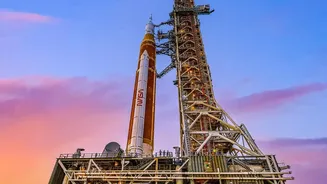
These advanced, reliable, and efficient air scrubbers are more than just an engineering upgrade; they are a critical enabling technology for the future of human space exploration. For Artemis missions to the Moon and eventual crewed expeditions to Mars, relying on resupply from Earth for basic needs like clean air is simply not an option. By creating regenerative life support systems, we can build spacecraft and habitats that are largely self-sufficient. This reduces mission mass and cost, but more importantly, it provides the safety and reliability needed to keep astronauts healthy as they venture farther from home for longer than ever before. The technology being proven on the ISS today is laying the groundwork for humanity's survival on the journey to worlds beyond our own.