



The Rejuvenated Western Ghats
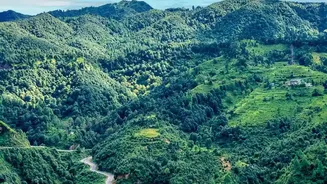
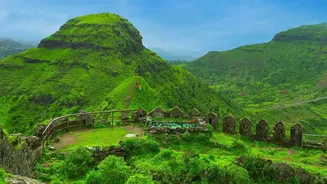
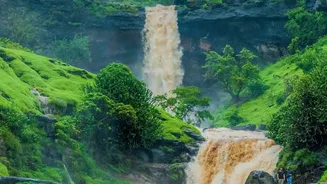
Stretching across Maharashtra, Goa, and Karnataka, the Western Ghats are spectacular after the monsoon. The hills, brown and weary in the summer, are now draped in countless shades of green. Waterfalls that were mere trickles are now gushing with life,
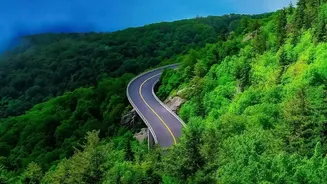
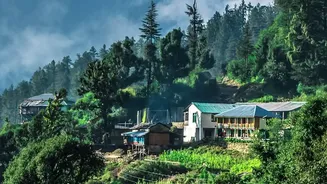
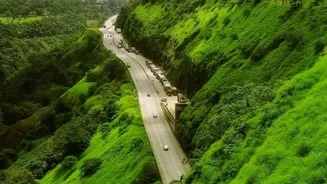
and the air is misty and cool. A drive from Satara to Mahabaleshwar in Maharashtra offers panoramic views of valleys carpeted in wildflowers. A short detour to the Kaas Plateau, a UNESCO World Heritage site, is essential during this period to see its famous mass flowering. Further south, routes around Coorg and Chikmagalur in Karnataka are a coffee lover’s dream, with the plantations looking refreshed and the landscape shrouded in a romantic mist. Roads are winding and demand careful driving, but the views of cloud-filled valleys are an unparalleled reward.
Rajasthan's Surprising Green Makeover
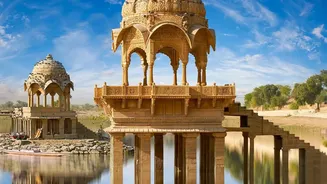
When you think of Rajasthan, you might picture sand dunes and arid landscapes. However, the post-monsoon season tells a different story. The Aravalli hills, which form the spine of the state, take on a surprising emerald hue. This is the ideal time to explore the state beyond its desert identity. Udaipur, the city of lakes, is particularly magical as its water bodies are full and the surrounding hills are verdant. A boat ride on Lake Pichola becomes even more scenic. A road trip to Mount Abu, the state's only hill station, or to the fortress of Kumbhalgarh reveals a landscape that is lush and inviting. This period offers the beauty of Rajasthan's heritage with more pleasant weather and fewer crowds than the peak winter season.
Central India's Washed-Clean Charm
The historical heart of India, Madhya Pradesh, also shines after the rains. A road trip connecting Orchha and Khajuraho is a journey through time, set against a freshly washed, vibrant green backdrop. The monuments and temples of these UNESCO-listed sites feel renewed. In Orchha, the cenotaphs or chhatris along the Betwa River are a magnificent sight, and the river itself is perfect for rafting during this season. In Khajuraho, the intricate temple sculptures stand out brilliantly against the green surroundings and clearer skies. Nearby, the Raneh Falls, often dry in other seasons, becomes a powerful cascade. This circuit is less travelled during this period, offering a more peaceful and intimate experience with some of India's greatest architectural treasures.
Himalayan Adventures in Spiti's Last Window
For the more adventurous planner, the post-monsoon period offers a final, precious window to explore the high-altitude desert of Spiti Valley in Himachal Pradesh. The heavy monsoon rains are over, but the extreme cold of winter has not yet set in, meaning most roads remain accessible. This is a time of crystal-clear skies, sharp light, and dramatic, stark landscapes. The crowds of the summer have thinned, allowing for a more serene journey through one of India's most breathtaking regions. Visiting iconic sites like the Key Monastery and the village of Kaza during September and early October provides the quintessential Spiti experience, with comfortable daytime temperatures and stunning, unobstructed views of the surrounding Himalayan peaks.
Essential Tips for Your Drive
While the post-monsoon season is beautiful, it requires some planning. Always check local road conditions before you start, as landslides can still occur in hilly areas even after heavy rains have subsided. Your vehicle's tyres, brakes, and wipers should be in top condition to handle potentially slippery patches or lingering fog. Temperatures can fluctuate, so packing layers is a smart move. This season is also a great time to enjoy fresh, local produce along your route. The key is to be prepared, drive cautiously, and give yourself the flexibility to stop and soak in the extraordinary beauty that this unique travel window offers.