


The Conventional Story: A Star's Violent End
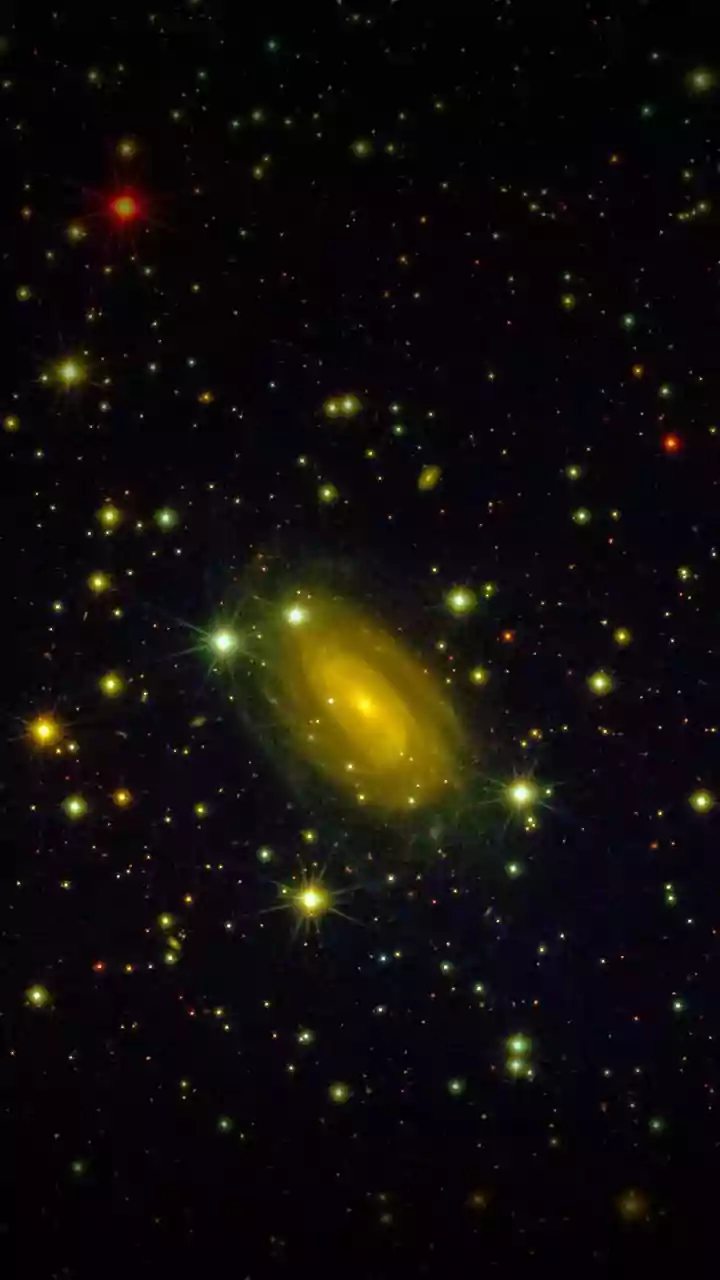
The life cycle of a star like our Sun is a story of cosmic drama played out over billions of years. For most of its existence, it fuses hydrogen into helium, providing a steady stream of energy. But eventually, the fuel runs out. The star then swells
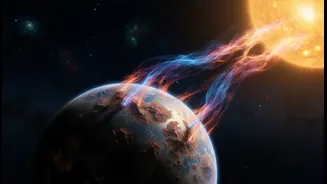
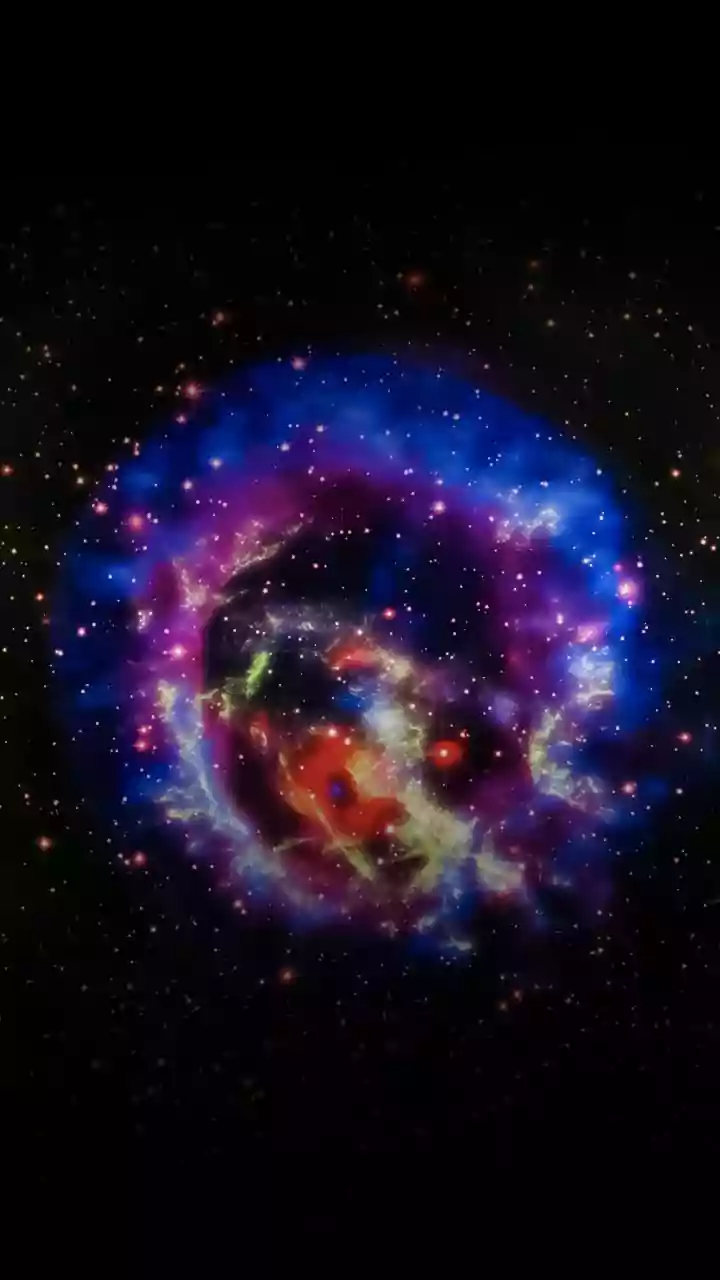
into a red giant, a behemoth hundreds of times its original size. This expansion is catastrophic for any nearby planets. In our own solar system, scientists predict that when the Sun becomes a red giant in about five billion years, it will engulf Mercury, Venus, and possibly even Earth. After this violent phase, the star sheds its outer layers and collapses into a white dwarf — a dense, Earth-sized remnant of its former self. For decades, the assumption has been that any planet close enough to be in the original habitable zone would be obliterated during this process. Only distant gas giants were thought to have a chance of survival, pushed into even wider orbits as the star loses mass.
An Impossible Survivor: The Planet That Shouldn't Exist
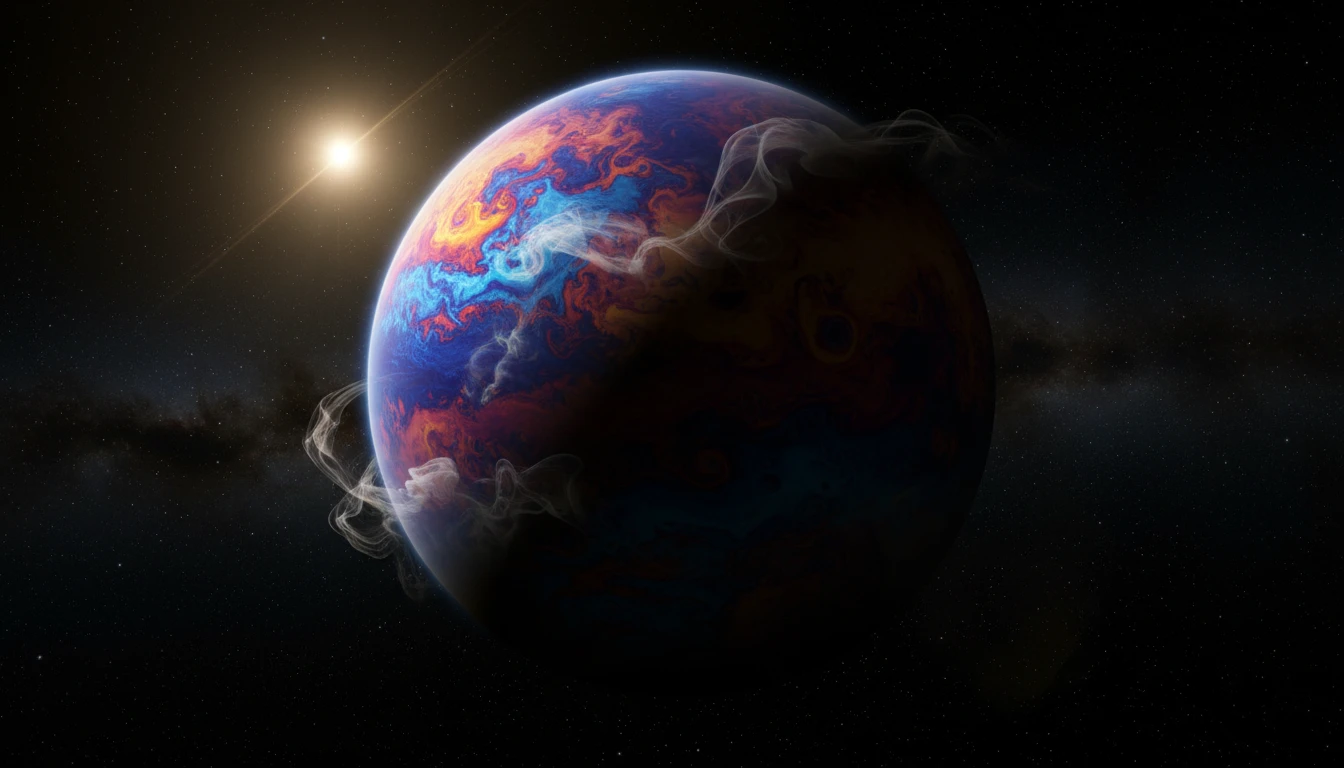
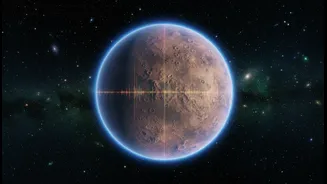
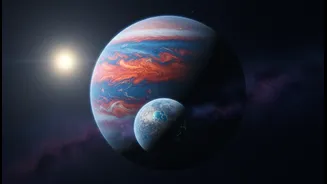
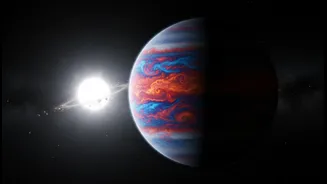
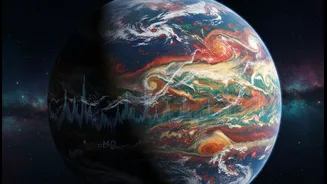
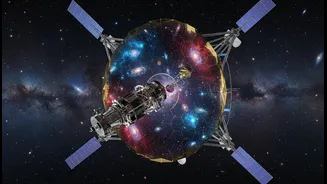
Astronomers recently made a startling observation that challenges this narrative. Using the James Webb Space Telescope, a team focused on a white dwarf named WD 1856+534, located about 80 light-years from Earth. Orbiting this dead star is a Jupiter-sized gas giant, WD 1856 b, which is a bizarre system in itself. The planet is seven times larger than the star it orbits. But the most baffling part is its orbit: the planet circles its star every 34 hours, at a distance 50 times closer than Earth is to the Sun. According to all previous models, a planet this close should have been vaporised when its star expanded into a red giant. The discovery, originally made in 2020 but now analysed in unprecedented detail, has sent shockwaves through the astronomical community. It’s the first definitive proof that a planet can not only survive its star's death but end up in an impossibly close embrace with the stellar corpse.
Rewriting the Rules of Planetary Survival
So, how did WD 1856 b survive? Scientists are now grappling with two main theories, both of which force a rethink of planetary dynamics. One theory suggests the planet was once in a much wider, safer orbit. After the star became a white dwarf, the gravitational influence of other objects in the system — in this case, two other distant companion stars — could have nudged the planet inward over billions of years. The other, more dramatic theory, is that the planet was actually engulfed by the red giant but somehow survived its journey through the star's outer layers, eventually settling into a close orbit around the newly formed white dwarf. The recent Webb observations also detected an atmosphere containing methane and aerosols, which was another first for a planet orbiting a dead star. The planet is also unexpectedly warm, a fact researchers attribute to residual heat from when its orbit was squeezed by the white dwarf's intense gravity. These findings open up entirely new possibilities for where to look for surviving worlds.
A Glimpse into Our Solar System's Future?
This discovery isn't just a distant cosmic curiosity; it provides a potential preview of our own solar system's distant future. While Earth’s fate remains uncertain—hanging on a delicate balance between being engulfed or pushed into a wider orbit—this finding offers hope for our larger neighbours. It suggests that giant planets like Jupiter and Saturn are very likely to survive the Sun's transformation into a white dwarf. The story of WD 1856 b implies that even after a star dies, its planetary system can reorganise itself in strange and unexpected ways. It raises the tantalising question of whether life could re-emerge in these zombie solar systems. A white dwarf, while dim, provides a stable source of energy for billions of years. If a planet with the right conditions were to migrate into the new, much closer habitable zone, it could theoretically provide a new cradle for life long after the original star has perished.