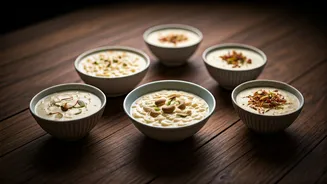



Chawal ki Kheer: The Original Classic
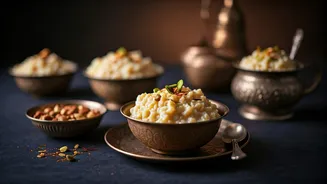
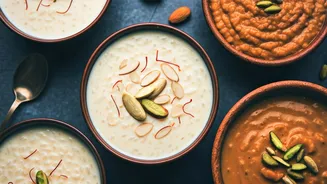
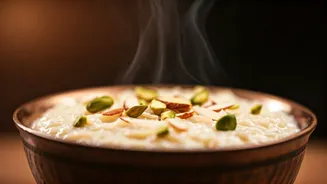
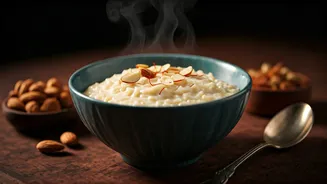
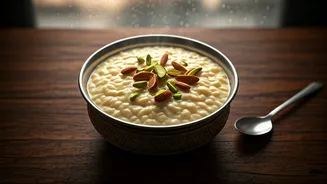
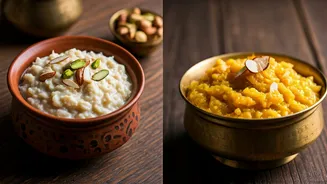
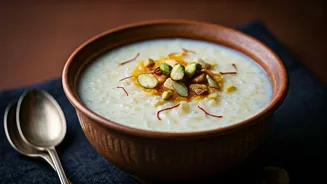
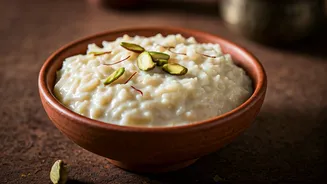
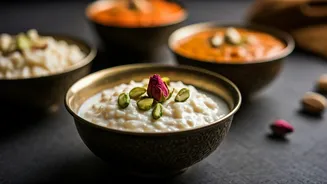
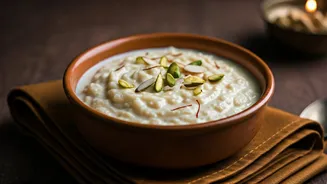
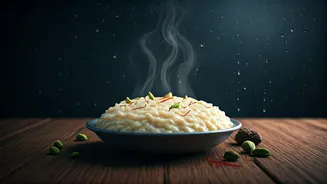
This is the version that often comes to mind when one thinks of kheer. Made by slow-cooking whole rice grains, typically a fragrant variety like Basmati, in full-fat milk until the mixture thickens, it’s a masterclass in simplicity. The slow simmering
process allows the rice to release its starch, creating a luscious, creamy texture. Flavoured with green cardamom, saffron, and sweetened with sugar, it’s garnished with sliced almonds and pistachios. This rice kheer is the heart of many festivals and family gatherings, a nostalgic taste of home for many.
Seviyan Kheer: The Festive Favourite
Seviyan Kheer, made with thin vermicelli noodles, is a staple during festivals like Eid. Its origins can be traced back to Mughal kitchens, where it was considered a refined treat. The vermicelli is typically roasted in ghee to develop a nutty aroma before being simmered in milk. This kheer cooks faster than its rice counterpart and has a unique, delicate texture. A variation known as Sheer Khurma is particularly popular, enriched with dates and a generous amount of dried fruits. Whether served warm or chilled, its comforting sweetness makes it a celebratory favourite.
Sabudana Kheer: The Pearly Delight
Made with sabudana (tapioca pearls), this kheer is known for its unique, slightly chewy texture. The sago pearls turn translucent as they cook, creating a visually appealing and satisfying pudding. Often prepared during religious fasts like Navratri, sabudana is considered a good source of energy. The pearls are first cooked in water until soft before being simmered in milk with sugar and cardamom. Its creamy consistency makes it a comforting dish that can be enjoyed hot on a winter day or chilled as a refreshing summer dessert.
Phirni: The Creamier Cousin
While very similar to rice kheer, Phirni has a distinct character. The key difference lies in the rice; Phirni is made with coarsely ground rice, not whole grains. This results in a smoother, finer, and exceptionally creamy texture. Phirni is a dessert more dominant in North India and is traditionally set and served chilled in small earthen pots called 'matkas', which help absorb excess moisture and thicken the pudding. Often garnished with silver leaf (varak) and chopped pistachios, it’s a sophisticated and elegant treat.
Makhane Kheer: The Healthy Indulgence
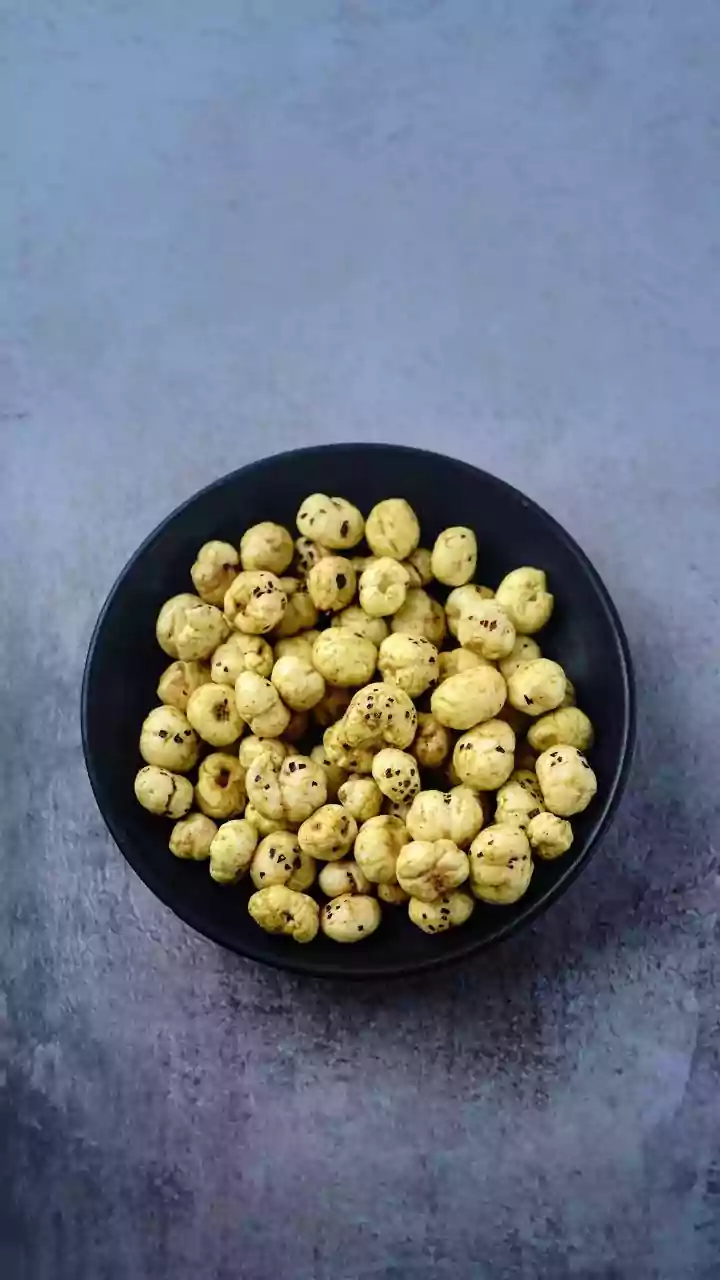
For a lighter yet equally delicious option, Makhane Kheer is a perfect choice. Made with phool makhana (fox nuts), this kheer is often prepared during fasts and is packed with nutrients. Fox nuts are low in calories and rich in protein and antioxidants. To make the kheer, the makhana are lightly roasted in ghee until crisp, then added to simmering milk. Some of the nuts can be coarsely ground to help thicken the kheer, giving it a unique granular texture. This guilt-free dessert is a wonderful way to enjoy a traditional sweet with added health benefits.