



The Himalayan Rain Shadow Advantage
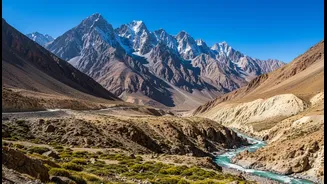
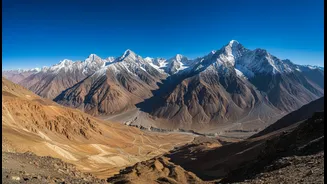
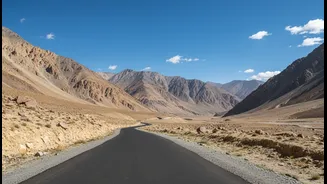
The secret to a dry monsoon adventure in Spiti and Ladakh lies in a simple geographic phenomenon: the rain shadow effect. The mighty Himalayas act as a colossal barrier, blocking the moisture-laden monsoon clouds that sweep across the Indian subcontinent
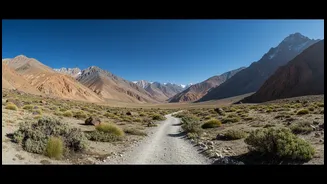
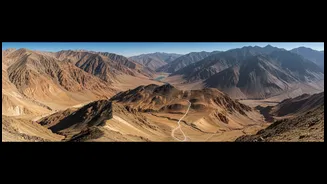
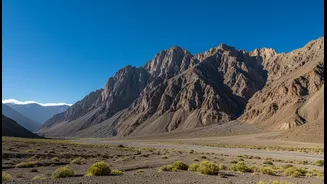
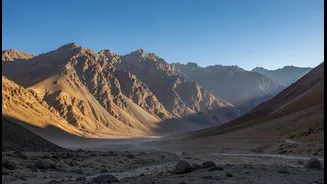
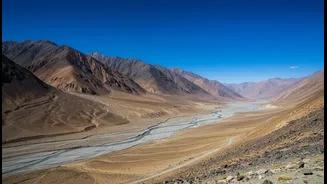
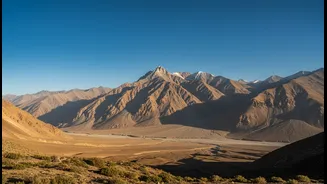
from the south. As these clouds are forced to rise, they release all their rain on the southern, windward slopes. By the time the air crosses over to the northern, leeward side—where Spiti and Ladakh are located—it is almost completely dry. This process creates a high-altitude cold desert, characterized by arid conditions, minimal rainfall, and startlingly clear skies, even in the peak monsoon months of July and August. While the rest of the country deals with humidity and downpours, these regions offer a crisp, dry, and sunny alternative for travellers.
Ladakh: A High-Altitude Desert Beckons
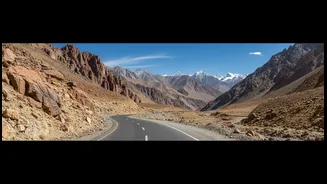
Often called 'Little Tibet', Ladakh transforms into a traveller's paradise from June to September. During this window, the region’s two main arteries—the Manali-Leh Highway and the Srinagar-Leh Highway—are fully operational. The Manali-Leh route, a legendary 480-km journey, is typically at its best condition in July, with all its high passes like Baralacha La and Tanglang La clear of snow. While the initial leg from Manali might see some monsoon showers, the landscape becomes progressively drier as you ascend past Keylong. The Srinagar-Leh highway offers a more gradual acclimatization and is also fully open, though it too can face weather-related disruptions in the Kashmir valley section. Despite potential challenges on the journey, the destination rewards you with a dry, welcoming climate perfect for exploration.
Clear Skies and Monastery Festivals
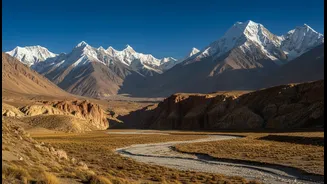
With the weather on your side, Ladakh in the monsoon season is an explorer's dream. The valleys are at their greenest, contrasting beautifully with the barren mountains. This is the perfect time for sightseeing and adventure activities. You can visit iconic monasteries like Thiksey, Hemis, and Diskit, many of which host vibrant festivals with masked dances during these months. The surreal blue of Pangong Lake is at its most brilliant under clear skies, offering magical opportunities for photography and overnight camping. Adventure seekers can indulge in white-water rafting on the Zanskar and Indus rivers, or go on a double-humped Bactrian camel safari in the Nubra Valley's sand dunes.
Spiti: The Middle Land's Stark Beauty
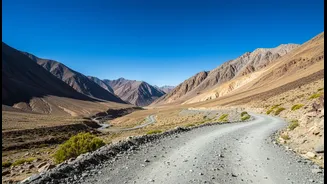
Spiti Valley, or the 'Middle Land' between India and Tibet, shares Ladakh's rain shadow advantage, making it another prime monsoon destination. July and August are considered ideal months to visit, as all roads and attractions are typically open. Travellers have two main routes to reach Kaza, Spiti's administrative hub. The route from Shimla via Kinnaur is longer but generally considered more reliable during monsoon, as it offers a gradual ascent. The Manali-Kaza highway, which crosses the high-altitude Kunzum Pass, also opens by June but can be challenging due to rough patches and water crossings fed by rain and snowmelt. Regardless of the path chosen, the valley itself remains mostly dry, with pleasant daytime temperatures.
Ancient Monasteries and Moonlit Lakes
Like Ladakh, Spiti offers a wealth of experiences under the monsoon sun. The valley is famous for its ancient Buddhist monasteries, such as the spectacular Key Monastery perched on a hilltop and the Tabo Monastery, a UNESCO World Heritage site with stunning murals. A visit to Chandratal, the 'Moon Lake', is a must; its crescent shape and crystal-clear water are breathtaking, and camping near its shores is an unforgettable experience. You can also explore some of the world's highest inhabited villages, like Komic and Kibber, and even send a postcard from the world's highest post office in Hikkim. The landscape offers unique opportunities for stargazing, fossil hunting, and discovering a culture preserved for centuries.
A Reality Check on Your Trip
While the headline promises 'clear skies and open roads', it's crucial to plan with a dose of reality. The destinations themselves—Ladakh and Spiti—are indeed dry. However, the approach roads run through regions that receive heavy monsoon rainfall. Landslides, flash floods, and road blockages are a real risk on highways leading out of Manali, Shimla, and Srinagar. Recent reports from late June and July 2026 confirm that even when the main highways are open, they can face temporary closures. Therefore, building buffer days into your itinerary is essential. Always check the road status on the day of travel, hire experienced local drivers, and opt for a sturdy vehicle, preferably a 4x4, especially for the challenging stretches leading to Spiti. Flexibility is your best friend on a Himalayan monsoon adventure.