





Why the Great Menu Makeover?
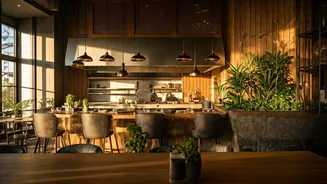
For years, cafés were seen as informal living rooms or co-working spaces, where coffee was the main event and food was a supporting act. However, a shift is underway, driven by a new generation of consumers—primarily Gen Z and Millennials—who view dining
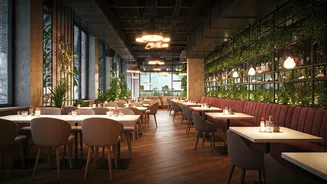
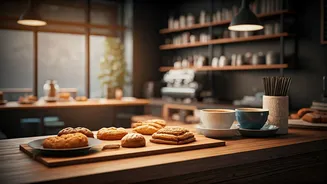
out as an experience. These customers are more exposed to global trends, more health-conscious, and seek meals that are not just tasty but also visually appealing and shareable on social media. This has pushed cafés to move beyond being just beverage counters and become full-fledged dining spots offering everything from brunch and small plates to elaborate desserts. The goal is no longer just to serve a quick drink, but to provide a complete, memorable experience that encourages repeat visits.
Beyond the Brew: A World of New Drinks
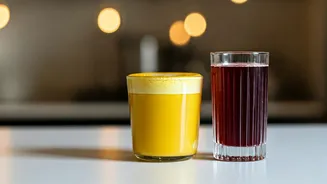
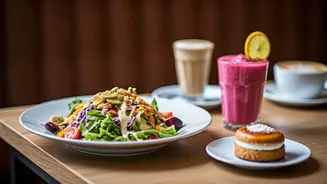
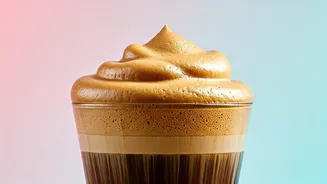
While coffee culture is still booming, the beverage menu is expanding to include a diverse range of non-coffee options. Asian-inspired drinks are having a major moment, with matcha lattes, hojicha (roasted green tea), and bubble teas becoming staples. These drinks appeal to customers looking for novelty, wellness benefits, and unique flavour profiles that are less about a quick caffeine hit and more about 'intentional sipping'. Health and wellness are major drivers, with a surge in demand for low-sugar or sugar-free options, natural sweeteners like jaggery and stevia, and functional beverages. Fermented drinks like kombucha are gaining popularity for their gut-friendly properties, while artisanal teas and colourful coolers made with ingredients like hibiscus and yuzu are also finding a prominent place on the menu.
From Sandwiches to Small Plates
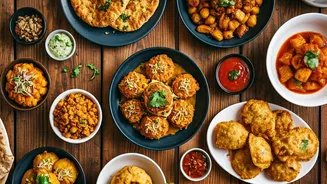
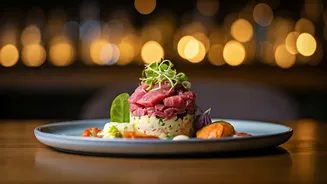
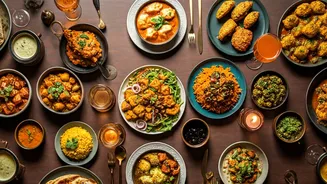
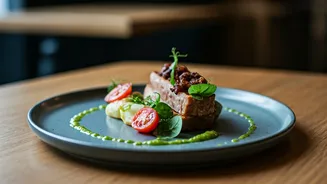
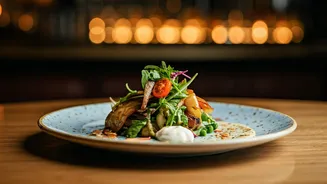
Café food is no longer an afterthought. The simple sandwich and puff have made way for sophisticated, chef-driven menus featuring what is being called "freestyle dining". This includes small plates for sharing, elaborate brunch options, gourmet toasts, and fresh salads treated as full meals. There is a strong focus on quality ingredients, innovative techniques, and beautiful presentation. Chefs are reinterpreting regional Indian flavours in modern café-friendly formats, like a toast topped with a version of Maharashtrian thecha or a savoury pancake inspired by a cheela. Fusion dishes that thoughtfully blend Indian and global influences—think tandoori jackfruit tacos or a Benedict Pizzette on fermented dough—are becoming common, showcasing that café food can be as creative as restaurant cuisine.
The Rise of the Conscious Consumer
Today's diners are increasingly mindful of what they eat and where it comes from. This has led to a rise in wellness-oriented menus that cater to diverse dietary needs, including plant-based, gluten-free, and vegan options. There's a growing emphasis on fresh, locally sourced, and organic produce. Cafés are championing concepts like farm-to-table dining and using 'plant meat' alternatives to cater to this conscious consumer base. The focus is on nutritious dishes that don't compromise on flavour, such as millet-based delicacies, quinoa upma, and protein-rich bowls. This trend is not just about health; it's also about sustainability and making responsible food choices, which resonates deeply with modern Indian diners.
An Experience Worth Sharing
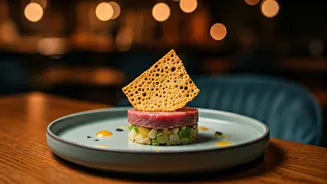
In the age of Instagram, the visual appeal of food is almost as important as its taste. Cafés are designing dishes and drinks that are photogenic, featuring high colour contrast, unique textures, and elements of movement like cheese pulls or chocolate pours. But the experience goes beyond what's on the plate. A new trend, particularly popular with Gen Z, is the rise of DIY (Do-It-Yourself) cafés. Inspired by East Asian concepts, these spaces allow customers to cook their own ramen or create their own frozen yoghurt, turning a meal into an interactive and highly shareable activity. This focus on experiential dining, whether through stunning aesthetics or hands-on fun, shows that the modern café is selling not just food and drink, but a moment.