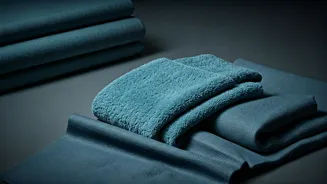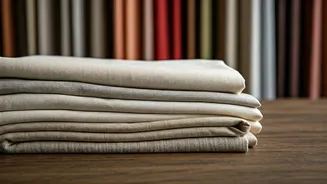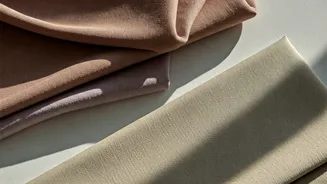


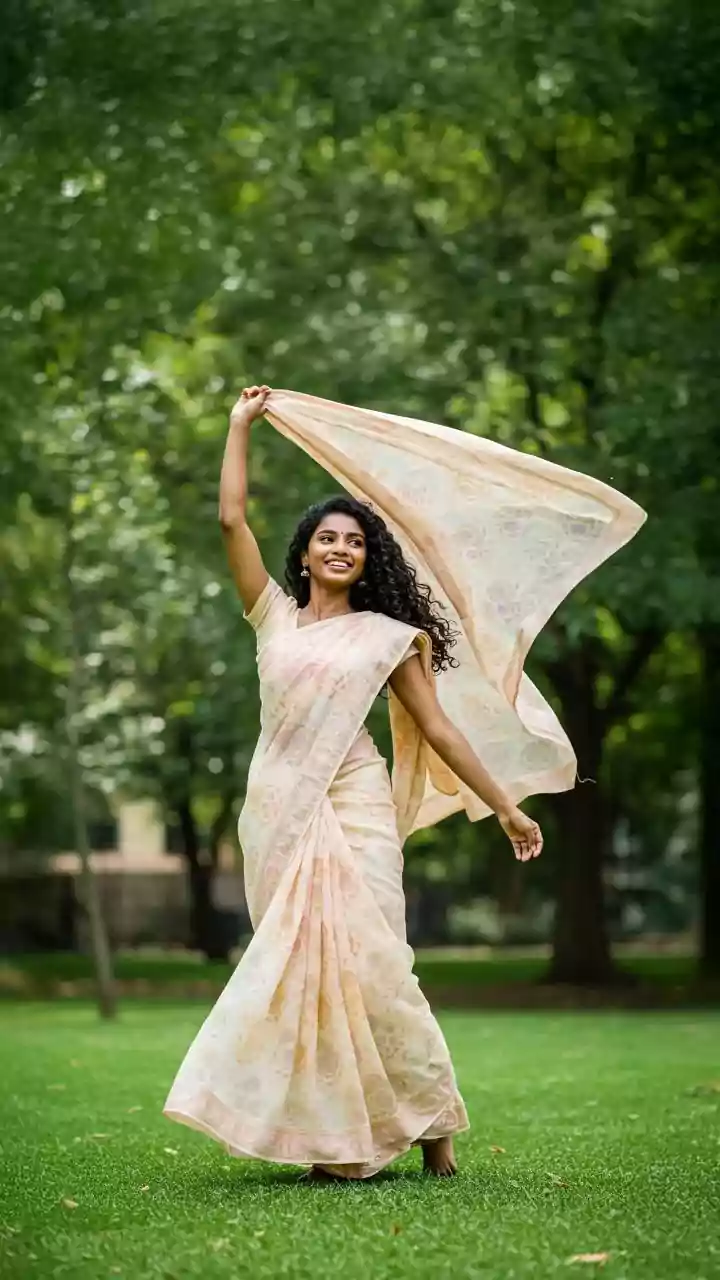






Why Your Fabric Choice Matters
Dressing for the monsoon in India is a strategic task. It's not just about avoiding the rain; it's about combating the persistent, energy-sapping humidity. The wrong fabric can trap heat and moisture against your skin, leaving you feeling uncomfortable
and sticky even if you don't get caught in a shower. Wet clothes that cling can also lead to skin irritation. The key is to choose materials that are lightweight, breathable, and, most importantly, quick to dry. Synthetic fabrics are often praised for their quick-drying abilities, but some can feel like wearing a plastic bag in humid conditions. Natural fibers, on the other hand, are breathable but can absorb a lot of water. The perfect monsoon fabric often lies in a smart blend or a specific type of natural material.
The Best Fabrics for Monsoon Season
To navigate the season in comfort and style, prioritize fabrics that work with the weather, not against it. Light cotton blends are a great starting point; while 100% heavy cotton absorbs too much water, blending it with polyester or rayon improves drying time while retaining breathability. Rayon is another star player, loved for its soft, silky feel and ability to dry quickly without clinging. For a denim-like look without the weight, chambray is an excellent choice. It's a lightweight cotton fabric with a plain weave that makes it much more breathable and faster-drying than its heavier denim cousin. And for days when you might face a real downpour, synthetics like nylon and polyester are unbeatable for their water-resistance, making them ideal for outerwear.
Chambray: The Denim Look Without the Weight
Many people mistake chambray for a lightweight denim, but their construction is different. While both use a colored and a white yarn, denim has a diagonal twill weave that makes it thick and rugged. Chambray uses a simple plain weave, resulting in a fabric that is significantly lighter, softer, and more breathable. This makes it perfectly suited for India's humid monsoon climate. A chambray shirt offers the classic blue-collar aesthetic without the oppressive weight of a denim shirt, which would take ages to dry in damp weather. It's a stylish and practical way to get that indigo look while staying cool and comfortable.
Synthetics and Blends: A Practical Choice
While natural fabrics are often prized for breathability, synthetics have a crucial role in a monsoon wardrobe. Polyester is hydrophobic, meaning it repels water and absorbs very little moisture (around 0.4% of its weight), allowing it to dry incredibly fast. A polyester garment can be dry in under two hours. Similarly, nylon is a go-to for rain jackets and windcheaters due to its water-resistance and durability. However, pure synthetics can trap sweat. This is where blends shine. A cotton-polyester or a rayon-viscose blend gives you the best of both worlds: the comfort and breathability of the natural fiber combined with the quick-dry, wrinkle-resistant properties of the synthetic.
Fabrics to Avoid Until the Sun Returns
Just as important as knowing what to wear is knowing what to avoid. Heavy fabrics are your biggest enemy. Denim and thick cotton are highly absorbent, becoming heavy and uncomfortable when wet and taking a very long time to dry in high humidity. Delicate materials like pure silk and velvet are also poor choices, as they can be easily damaged by water, leading to stains or loss of shape. Leather and suede are obvious no-gos, as water can permanently damage them. While linen is wonderfully breathable, pure linen wrinkles easily and can hold moisture, though linen blends perform much better. It's best to save these materials for dry, sunny days and stick to more practical options during the rains.