




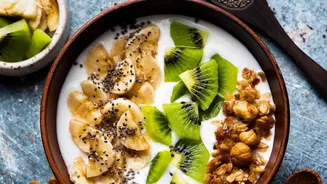
Starting your day with a nutrient-dense breakfast is crucial for managing diabetes. Edible seeds are tiny powerhouses of fibre, healthy fats, and protein that can help stabilise blood sugar and keep you full. Here are five seeds to enjoy.
Chia Seeds: The Fibre Powerhouse
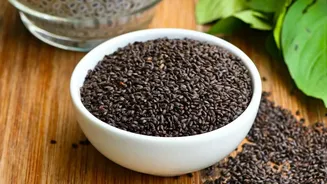
Chia seeds are
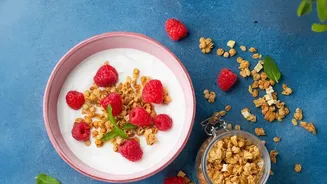
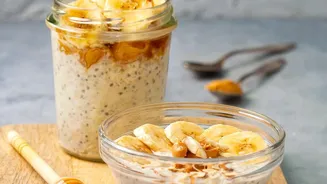
incredibly beneficial for diabetes management due to their high soluble fibre content. This fibre slows digestion, which helps prevent the rapid blood sugar spikes that can occur after meals. Rich in omega-3 fatty acids, protein, and antioxidants, chia seeds also support heart health and reduce inflammation, which are both important for individuals with diabetes. Their low glycemic index means they have a minimal impact on blood sugar levels. A sensible portion is one to two tablespoons per day. Because they absorb liquid and form a gel, they are perfect for making a simple chia pudding. Just mix two tablespoons of seeds with half a cup of milk or a plant-based alternative, let it sit overnight, and top with a few berries in the morning. You can also sprinkle a tablespoon of chia seeds over yogurt, oatmeal, or blend them into a morning smoothie for an easy nutritional boost.
Flax Seeds: The Heart-Healthy Choice
Flax seeds, or 'alsi', are another excellent choice, celebrated for their high content of alpha-linolenic acid (ALA), a type of omega-3 fatty acid that supports heart health. They are also a fantastic source of fibre and lignans, compounds that can improve insulin sensitivity and help regulate blood sugar. Studies show that the soluble fibre in flax seeds slows down glucose absorption. For the best nutritional benefit, it's recommended to consume them ground, as the body can't easily digest the whole seed.
A typical portion is one to two tablespoons of ground flaxseed daily. An easy way to include them in your breakfast is by mixing them into the dough for rotis or parathas. You can also stir a tablespoon into a bowl of 'dahi' to make a simple raita, or sprinkle it over oatmeal or breakfast cereals.
Pumpkin Seeds: The Magnesium Boost
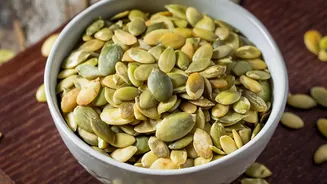
Pumpkin seeds, also known as pepitas, are packed with nutrients, but their high magnesium content is particularly noteworthy for diabetes management. Magnesium plays a crucial role in the body’s glucose metabolism and insulin sensitivity. These seeds are also a great source of healthy fats, protein, and fibre, which work together to promote satiety and slow down carbohydrate absorption, helping to prevent blood sugar spikes after meals.
Enjoy a portion of one to two tablespoons (about 15-30 grams) of unsalted pumpkin seeds. They make a great crunchy topping for a bowl of Greek yogurt or porridge. You can also blend them into smoothies or simply have a small handful as part of a balanced breakfast alongside eggs or avocado toast to add texture and a nutrient boost.
Sunflower Seeds: The Vitamin E Star
Sunflower seeds are a good source of healthy monounsaturated and omega6 fats. They are particularly rich in Vitamin E, a powerful antioxidant that helps combat inflammation, a common concern in diabetes. Like other seeds, they provide fibre and protein, contributing to stable blood sugar levels and a feeling of fullness that can help with weight management. It's best to choose plain, unsalted varieties to avoid excess sodium.
A small handful, or about one to two tablespoons, is a good portion size. You can easily sprinkle sunflower seeds onto a variety of breakfast dishes. Try adding them to a veggie scramble, mixing them into overnight oats, or scattering them over a lowsugar multigrain cereal to add a satisfying crunch and nutty flavour.
Sesame Seeds: The Mineral_Rich Topping
Sesame seeds ('til') are small but mighty, containing beneficial compounds like sesamin and sesamolin, along with a host of essential minerals such as calcium, magnesium, and zinc. Research suggests that sesame seeds can help improve glycemic control, partly due to their fibre content which slows down sugar absorption. They are also rich in healthy fats and protein, making them a valuable addition to a diabetesfriendly diet. Their antioxidant properties may also help reduce oxidative stress associated with diabetes complications.
One tablespoon is a great starting portion. While often used in cooking later in the day, sesame seeds can easily be incorporated into breakfast. Sprinkle them over avocado on wholegrain toast, mix them into a savory upma or poha, or blend them into a smoothie. You can also find tahini, a paste made from sesame seeds, which can be used as a flavourful base for a breakfast dressing or sauce.