



The Allure of the 'Super Spice'
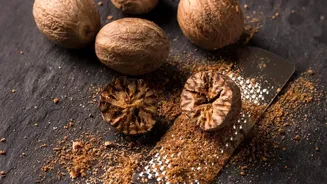
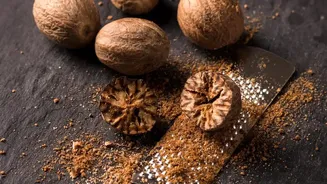
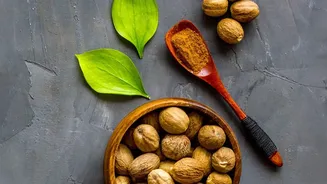
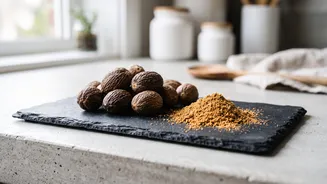
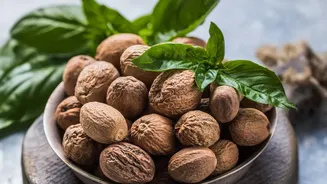
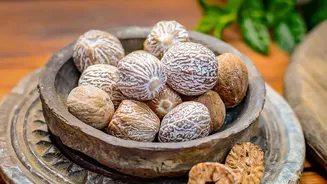
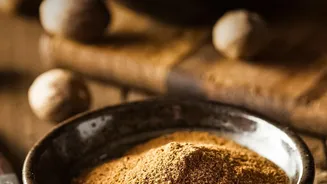
Nutmeg has a long and storied history, valued for centuries not just for its flavour but also for its use in traditional medicine. In various cultures, it's been used for everything from stomach ailments to sleep troubles. This history feeds into a modern
narrative that positions certain spices as powerful wellness tools. The idea is compelling: a simple, natural ingredient that can ward off disease and keep us sharp. Claims about nutmeg's ability to promote brain health fit perfectly into this trend, suggesting it can slow cognitive decline and reduce stress.
Inside Nutmeg: The Bioactive Compounds
The claims about nutmeg's benefits aren't pulled from thin air. The spice contains several potent bioactive compounds, most notably myristicin and macelignan. These are not just fancy names; they are substances that have shown interesting effects in laboratory settings. Myristicin, for instance, is the compound responsible for nutmeg's more well-known psychoactive effects when consumed in very large, unsafe quantities. Macelignan, a type of compound called a lignan, has been studied for its anti-inflammatory and antioxidant properties. Both have been investigated for potential neuroprotective qualities, meaning they might help protect nerve cells from damage.
The Antioxidant Angle
Many of the brain health claims are tied to nutmeg's antioxidant content. Antioxidants are substances that can prevent or slow damage to cells caused by free radicals—unstable molecules that the body produces as a reaction to environmental and other pressures. This process is called oxidative stress, and the brain is particularly vulnerable to it due to its high oxygen consumption. Over time, oxidative stress is believed to contribute to aging and the development of neurodegenerative conditions like Alzheimer's. In theory, a diet rich in antioxidants helps combat this damage. Nutmeg does contain compounds that exhibit antioxidant activity in lab tests, which is where the brain-protective narrative begins.
The Great Leap: From Lab to Kitchen
Here's where the claims become overstated. A compound showing antioxidant or neuroprotective effects in a petri dish or an animal study is a world away from proving it has the same effect in a human who sprinkles some on their food. Many studies on nutmeg's compounds use highly concentrated extracts, not the culinary amounts we consume. Furthermore, the human body is complex. A substance's 'bioavailability'—how much of it is actually absorbed and used by the body—can be very low. What works wonders in a controlled lab environment often doesn't translate to a real-world health benefit. The U.S. Department of Agriculture even removed its antioxidant database for foods, noting the data was often misused by companies to promote products, as test-tube antioxidant capacity doesn't necessarily reflect a health benefit in humans.
Dosage, a Double-Edged Sword
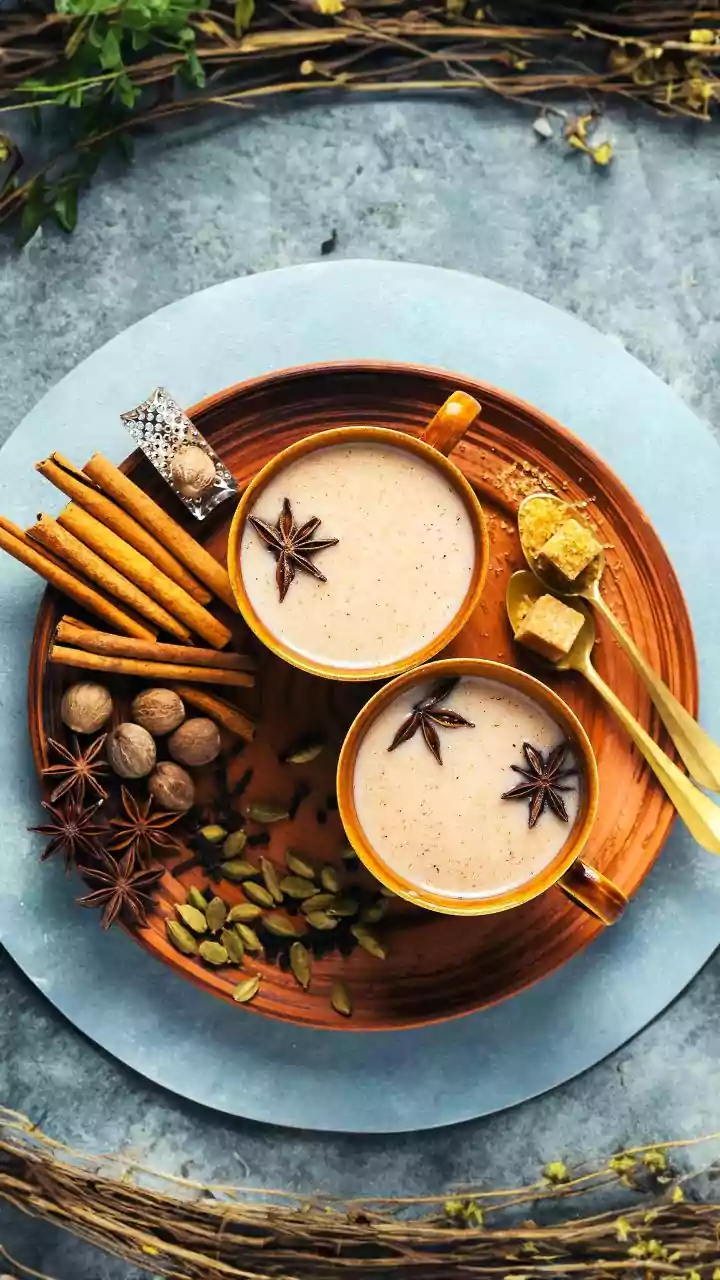
With nutmeg, more is definitely not better. The small amount used in cooking is perfectly safe. However, the large doses that would be needed to even attempt to replicate the effects seen in some studies would be toxic. Consuming as little as 5 to 10 grams of nutmeg (about one to two teaspoons) can cause myristicin poisoning, leading to symptoms like hallucinations, drowsiness, dizziness, dry mouth, and an increased heart rate. In severe cases, high doses can lead to organ failure. The safe, enjoyable sprinkle in your latte simply doesn't contain enough of the active compounds to act as a powerful brain-protecting medicine.
A Balanced View on Brain Health
Focusing on a single 'superfood' as a magic bullet for brain health is a common wellness trap. While nutmeg contains intriguing compounds, it is not a standalone solution for cognitive protection. True brain health is supported by a holistic lifestyle: a balanced diet rich in a variety of fruits and vegetables, regular exercise, sufficient sleep, and social engagement. Enjoying nutmeg for its delightful flavour and aroma is a wonderful thing. It can be a part of a healthy diet, but it's the overall pattern of your lifestyle that truly matters, not the over-reliance on one specific spice based on overstated claims.