





Aligning Goals and Methods
Before you can choose the right training style, you must first define your primary goal. [13] Are you looking to shed fat, build muscle, improve your endurance for a marathon, or simply move and feel better in your daily life? [25] There is no single
“best” workout; the most effective routine is one that is specifically tailored to your desired outcome and that you can perform consistently. [13] Mismatching your workout to your goal is a common reason for plateaus. For instance, spending all your time on long, slow cardio sessions won't be the most efficient path if your main objective is building significant muscle mass. [13] Let’s break down which training styles are best suited for common fitness ambitions.
For Efficient Fat Loss: HIIT
If your primary goal is to reduce body fat, High-Intensity Interval Training (HIIT) is a highly effective method. [21] HIIT involves short, all-out bursts of intense exercise followed by brief recovery periods. [24] This style of training is incredibly efficient at burning calories in a short amount of time. [23] Studies have shown that HIIT can be more effective for fat loss than moderate-intensity continuous exercise. [5, 19] The magic of HIIT lies in a phenomenon called excess post-exercise oxygen consumption (EPOC), or the "afterburn effect." [19] This means your metabolism stays elevated for hours after your workout, continuing to burn calories even while you're at rest. [22, 28] For effective results and to prevent overtraining, it's generally recommended to incorporate 2-3 HIIT sessions into your weekly routine. [7, 24]
For Building Muscle & Strength: Progressive Overload
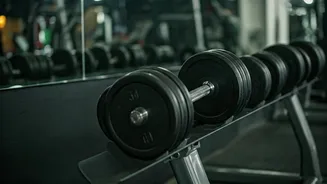
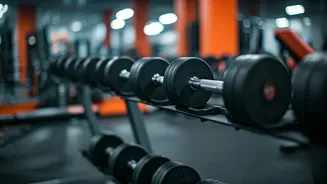
To build muscle (hypertrophy) and gain strength, your training must be built around the principle of progressive overload. [12] This concept is simple but crucial: you must gradually increase the demand placed on your muscles over time. [6, 10] If you consistently lift the same weight for the same number of reps, your muscles will adapt and have no reason to grow further. [12] Progressive overload can be achieved in several ways: increasing the weight you lift, performing more repetitions or sets, reducing rest times, or improving your form through a greater range of motion. [12] A routine focused on compound exercises like squats, deadlifts, and the bench press is highly effective because these movements engage multiple muscle groups at once, promoting efficient muscle growth. [21, 26]
For Enhancing Endurance: Zone 2 Cardio
For those looking to run farther, cycle longer, or simply improve overall stamina, dedicating time to Zone 2 cardio is key. Zone 2 refers to a low-to-moderate intensity level, typically 60-70% of your maximum heart rate, where you can still hold a conversation. [11, 14] While it may feel less intense than a HIIT session, this training zone offers powerful benefits. It trains your body to become more efficient at using fat for fuel, which is crucial for long-duration activities. [9, 11, 15] Consistent Zone 2 training strengthens the heart muscle, improves your body's ability to use oxygen, and builds a strong aerobic base that supports both higher-intensity efforts and faster recovery. [15, 18]
For Everyday Life: Functional Training
Functional training focuses on exercises that improve your ability to perform daily activities more easily and safely. [1, 8] Think about movements like lifting a heavy box, putting something on a high shelf, or squatting to pick something up. [1, 16] Instead of isolating single muscles, functional workouts use compound movements that train multiple muscle groups to work together in coordinated patterns. [3, 8] Exercises like squats, lunges, pushes, and pulls are staples of this style. The benefits include improved balance, coordination, mobility, and a reduced risk of injury in your day-to-day life. [1, 17] It's about building usable strength that translates directly from the gym to the real world. [8]