







The Rise of the AI Impersonator
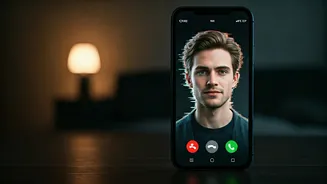
It sounds like something from a spy movie, but the technology is now widely accessible. Scammers can take a short audio clip of a person’s voice from a social media video, a voicemail greeting, or any online content and use AI software to create a realistic
clone. They then use this cloned voice to call family members, often simulating a state of panic or distress. Common scenarios include claiming to have been in an accident, arrested, or stranded abroad, all in an effort to pressure the victim into sending money immediately. Because the voice sounds identical to the real person, it bypasses our natural skepticism and preys on our instinct to help someone we care about.
Why Traditional Defences Fall Short
For years, we’ve been taught to look for red flags like poor grammar in phishing emails or suspicious links. But AI-driven fraud is a different beast. These scams aren't about hacking your devices; they're about hacking your trust. The manufactured urgency of the situation is designed to make you act before you think. Scammers will often insist on secrecy or tell you there's no time to verify the story, adding to the pressure. Federal regulators like the FTC have issued warnings about this growing trend, noting that it's becoming a prevalent and serious issue for people from all walks of life. The technology that was once only available to sophisticated corporate criminals is now in the hands of everyday fraudsters.
The Crucial Tip: A Family 'Safe Word'
The single most effective tool to defeat these high-tech scams is surprisingly old-fashioned: a safe word. This is a pre-agreed word or simple question that only you and your close family or friends know. If you receive a frantic call asking for money, you can interrupt the request and ask for the safe word. A real family member will know the answer instantly. A scammer, no matter how convincing their AI-cloned voice, will be stopped in their tracks. They might try to deflect, get angry, or heighten the sense of panic, but their inability to provide the safe word is the only confirmation you need that the call is a fake. At that point, the best course of action is to hang up immediately.
How to Create an Effective Safe Word
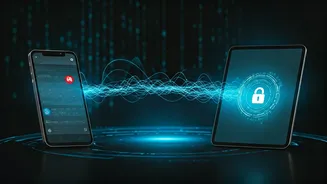
Choosing and implementing a safe word system is simple. First, pick a word or phrase that is unique and not easily guessable. Avoid common names, birthdays, or anything a scammer could find on your social media profiles. The best safe words are random and memorable only to your group. Second, share the safe word in person or through a secure, encrypted channel—never online, via text, or in an email where it could be compromised. Finally, make sure everyone in your trusted circle understands why the safe word exists and agrees to use it. In a moment of panic, it's crucial that asking for the word becomes a reflex when urgent, unusual requests for money are made.
More Ways to Protect Yourself
While a safe word is a powerful tool, it's best used as part of a layered defense. The FTC advises that if you receive a suspicious call, you should hang up and call the person back on a number you know is theirs, not one the caller provides. Be wary of anyone who pressures you to act quickly or demands payment via wire transfer, cryptocurrency, or gift cards, as these methods are difficult to trace. Additionally, be more mindful of the personal information you share online. Limiting public access to videos and audio clips can reduce the amount of source material available for scammers to clone your voice. Consider switching your voicemail greeting to the generic, automated message provided by your carrier to avoid giving fraudsters an easy audio sample.