



Understanding September's Weather
September marks the beginning of the southwest monsoon's withdrawal, a gradual process that doesn't mean the rain simply stops overnight. The India Meteorological Department (IMD) typically doesn't begin announcing the withdrawal from the extreme north-western
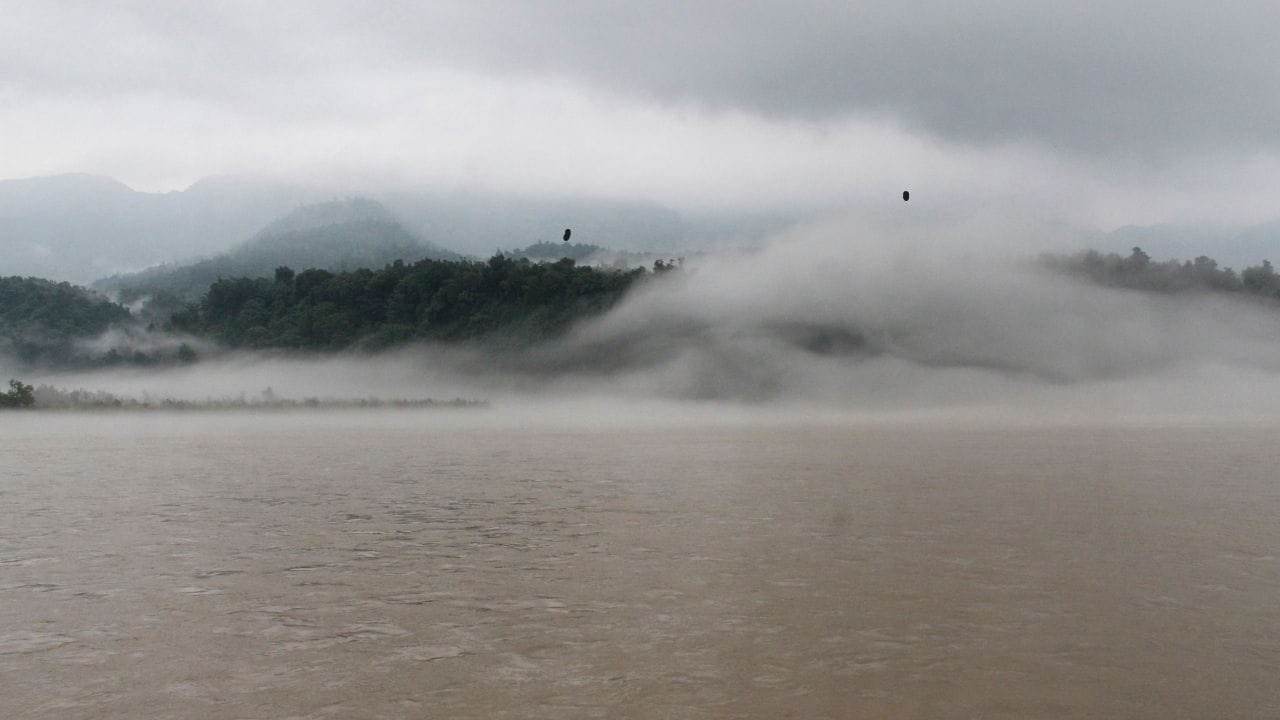
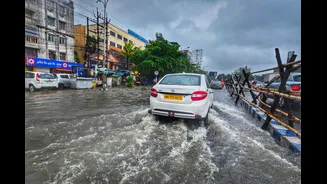
parts of the country before the first of September. For the rest of India, the process is staggered, often lasting until mid-October for the entire country. Recent forecasts for 2026 indicate that active monsoon conditions will persist into the first week of September, with heavy rainfall expected in central, eastern, and northeastern states. This 'retreating monsoon' phase can bring intense, albeit short, spells of rain, particularly in states like Odisha, Chhattisgarh, West Bengal, and Jharkhand, as well as along the west coast.
Regions Requiring Extra Caution
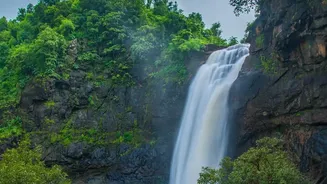
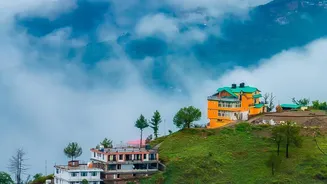
While many parts of India become more pleasant, certain popular tourist destinations remain at risk of weather-related disruptions. Hilly regions like Himachal Pradesh and Uttarakhand, while scenically beautiful, can be prone to landslides and blocked roads due to late-season downpours. The IMD has forecast widespread rainfall for these states in early September. Similarly, the Northeast, including states like Sikkim, Arunachal Pradesh, Assam, and Meghalaya, will continue to see wet weather. While this brings waterfalls to their full glory, it can make travel difficult. Goa and the Konkan Coast also experience lingering showers which can affect beach activities and local travel. It's wise to check local advisories before finalising plans for these areas.
Smart Itinerary Planning Tips
A flexible approach is your best defence against unpredictable weather. Instead of a packed, rigid schedule, build buffer days into your trip to accommodate potential delays. This is especially crucial for road trips in hilly or remote areas. When booking accommodation, look for options with flexible cancellation policies. Before and during your trip, make it a habit to check weather apps like the IMD's official 'Mausam' service for real-time updates on your route and destination. Having a backup plan, such as a list of indoor attractions like museums, cafes, or local markets, can save a day from being a complete washout. This strategy allows you to embrace the journey, rain or shine.
Consider 'Rain-Shadow' and Drier Destinations
If you want to minimise the chances of rain altogether, consider destinations that are geographically shielded from the monsoon. Ladakh is a prime example of a 'rain-shadow' region, where September offers clear skies and pleasant weather, making it peak season for trekking and sightseeing. The Spiti Valley in Himachal Pradesh offers a similar dry, high-altitude desert experience. Alternatively, parts of Rajasthan like Jaipur and Jaisalmer see very little rainfall in September, making it a good time to explore forts and palaces without the intense summer heat or peak winter crowds. Tamil Nadu also enters a brief dry spell between its two monsoon seasons, making it another viable option for a less rainy holiday.
Essential Packing for a September Trip
Packing correctly can make the difference between a soggy-but-fun adventure and a miserable one. Prioritise function over fashion. A lightweight, waterproof jacket and a sturdy umbrella are non-negotiable. Opt for quick-drying clothes made from synthetic fabrics and avoid heavy materials like denim or cotton that take a long time to dry. Footwear should be waterproof with a good grip; think sandals or floaters rather than canvas sneakers. A waterproof backpack or a rain cover for your existing bag is essential to protect your belongings, especially electronics. Finally, carrying a power bank is always a good idea in case of weather-related power cuts.