





An Ocean of Options
The modern Indian viewer is spoiled for choice. With a booming over-the-top (OTT) market that reached nearly 665 million viewers in 2026, the entertainment landscape is more crowded and competitive than ever. This explosion in content hasn't just put
streaming services in competition with cinemas; it has fundamentally changed how audiences find and engage with films. The choice is no longer just what to watch, but where and when. This digital wave, powered by affordable data and widespread smartphone use, means that discovery is a continuous process, happening 24/7 across multiple screens and platforms, from connected TVs to mobile phones.
The Digital Breadcrumbs
For many, the journey to a film begins online. Before a ticket is booked or a 'play' button is clicked, a film's fate is often shaped by its digital footprint. Social media is the new word-of-mouth, a sprawling ecosystem of trailers, memes, fan theories, and influencer reviews that build anticipation. Platforms like Instagram, X (formerly Twitter), and YouTube are where the initial buzz is generated, creating a sense of a cultural moment that audiences feel compelled to join. This digital chatter is crucial for both theatrical releases and direct-to-OTT premieres, serving as a primary filter for viewers navigating a sea of content. A film that trends online is a film that has already entered the audience's consideration set.
The Allure of the Big Screen
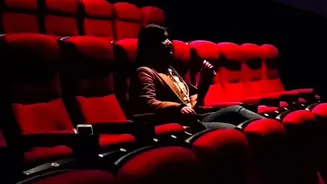
Despite the convenience of streaming, the cinema remains a powerful draw for specific kinds of experiences. The decision to go to a theatre is increasingly driven by the promise of spectacle—large-scale action, stunning visuals, and immersive sound that simply can't be replicated at home. These 'event films' create a sense of urgency and FOMO (fear of missing out). While star power still plays a role, recent trends show that audiences are prioritizing the film's concept and story over just the lead actor. This is why exhibitors are pushing for an exclusive eight-week theatrical window, arguing that it encourages audiences to experience films as a communal, big-screen event before they become available for individual consumption at home.
The Calculated Wait for Comfort
On the other side of the coin is the 'calculated wait'. For many films, especially dramas, comedies, and smaller-scale features, a significant portion of the audience now makes a conscious decision to wait for the OTT release. The primary drivers are convenience, comfort, and cost. Why rush to a theatre when the film will be available within a few weeks as part of a subscription you already own? Interestingly, audience perception often shortens the theatrical-to-OTT window, with many believing films arrive on streaming platforms much faster than they actually do. This mindset has made OTT the default destination for a wide range of content, where success is measured not by opening weekend numbers but by sustained viewership and completion rates.
A Symbiotic Ecosystem, Not a War
Theatres and OTT platforms are less like rivals in a deathmatch and more like two distinct but connected parts of a new ecosystem. A successful theatrical run often creates a powerful second wave of interest for a film's digital premiere, with its box office success becoming a marketing tool for the streaming platform. Conversely, the rise of genres like microdramas and direct-to-digital films that find massive audiences online proves that theatrical success is no longer the only metric for a hit. The breaking of language barriers, with South Indian films gaining huge followings across the country on OTT, further highlights how streaming is creating a more diverse and integrated national film culture. The platforms are cultivating different viewing habits, but ultimately, they are broadening the definition of what it means for a film to succeed.