





Understanding the Rain Shadow
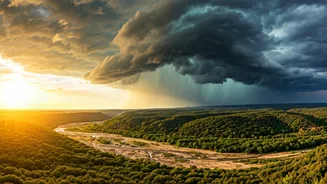
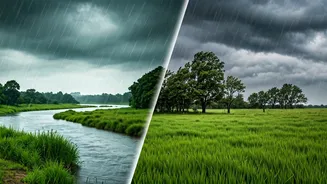
The science is simpler than it sounds. When moisture-laden winds, like the monsoon, encounter a mountain range, they are forced to rise. As the air ascends, it cools and sheds its moisture as heavy rainfall on the mountain's windward side. By the time
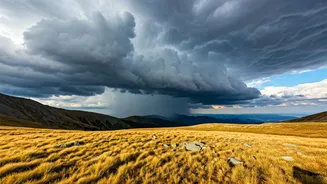
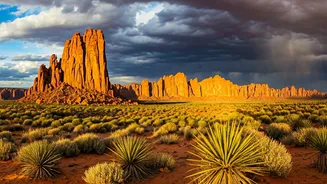
the air crosses over the peak and descends on the other side (the leeward side), it is largely stripped of moisture. This leeward side becomes a 'rain shadow'—a dry zone protected from the deluge affecting the other slope. It’s a natural phenomenon that creates pockets of arid or semi-arid climate right next to regions experiencing heavy rainfall.
The Western Ghats' Dry Side
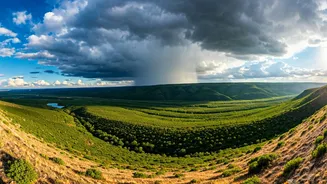
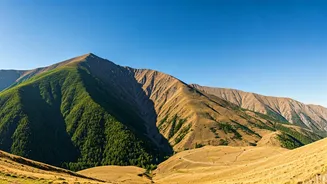
The Western Ghats offer a classic example. While the coastal areas of Kerala, Karnataka, and Maharashtra get drenched by the southwest monsoon, the eastern slopes of the ghats remain significantly drier. This creates a vast rain-shadow region across the Deccan Plateau. Cities and regions like Coimbatore and parts of western Tamil Nadu, interior Maharashtra including Pune, and areas of North Karnataka and Rayalaseema fall into this category. While Mumbai is flooded, these places often enjoy pleasant weather, making them ideal for exploring temples, local culture, and unique landscapes without the interruption of constant rain.
The Himalayan High Desert: Ladakh
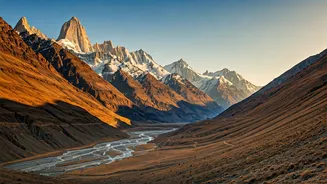
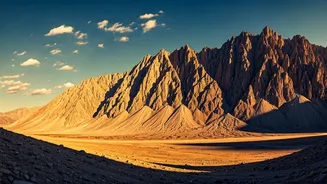
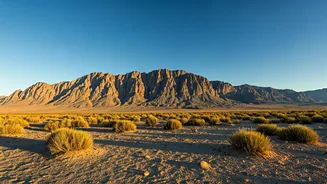
For the ultimate rain-shadow escape, look no further than Ladakh. The mighty Himalayas form an imposing barrier that blocks the monsoon clouds from ever reaching this high-altitude region. As a result, Ladakh is a cold desert, receiving minimal rainfall even in July and August when the rest of the country is at the peak of monsoon season. This makes it the premier destination for summer and monsoon travel in India. The skies are typically clear, roads are open, and the starkly beautiful landscape of barren mountains, pristine blue lakes like Pangong Tso, and ancient monasteries is fully accessible for trekking and road trips.
Spiti Valley: Ladakh's Cousin
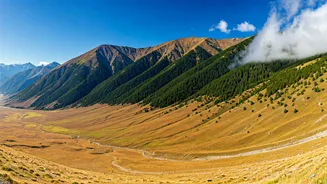
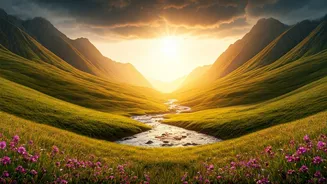
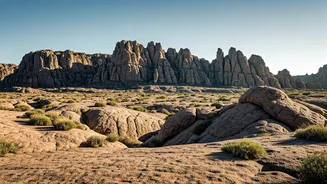
Similar to Ladakh, the Spiti Valley in Himachal Pradesh is another cold desert tucked away in the Himalayan rain shadow. The high mountain ranges surrounding the valley prevent the monsoon clouds from entering, resulting in a dry and sunny climate during the rainy season. Spiti offers a raw, adventurous alternative with its dramatic landscapes, ancient Buddhist monasteries like Key Monastery, and remote villages. While the destination itself is dry, the approach roads, particularly from the Manali side, can be affected by rains in the lower hills, so it’s wise to plan with buffer days and preferably take the more reliable route via Shimla and Kinnaur.
Planning Your Rain-Shadow Trip
Swapping a rainy itinerary for a dry one is a smart move, but it requires some planning. Since these destinations are popular during the monsoon, especially Ladakh and Spiti, it's essential to book flights and accommodations well in advance. For road trips to Spiti, always check the road conditions before and during your journey, as landslides can occur on the approach routes even if the valley itself is clear. Pack layered clothing, as temperatures in high-altitude deserts can vary significantly between day and night. With a little foresight, you can turn a potentially damp and disappointing holiday into an incredible adventure in one of India's sunniest monsoon corners.