



The All-or-Nothing Kitchen Myth
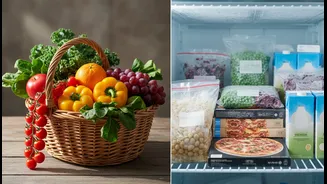
For years, home cooking has been presented as a binary choice. On one side is the ideal of scratch cooking: thoughtfully planned meals made from basic, raw ingredients, a process that promises health and authenticity but demands significant time and effort.
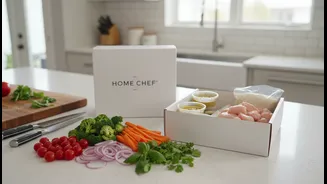
On the other side lies the world of convenience: ready-to-eat meals, restaurant deliveries, and meal kits that save time but can be expensive and less flexible. This all-or-nothing approach often leaves people feeling guilty for not cooking 'properly' or overwhelmed by the daily chore. As lifestyles get busier and dual-income households become the norm, the pressure to prepare daily meals from scratch is a growing source of stress.
Defining the 'Speed Scratch' Solution
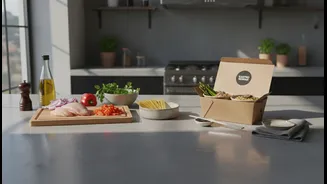
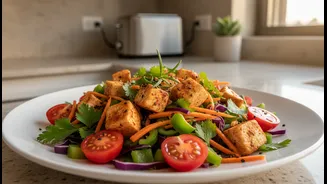
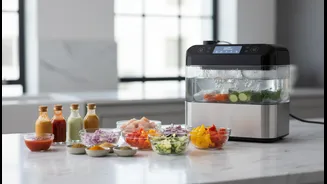
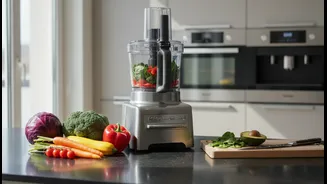
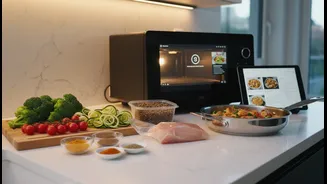
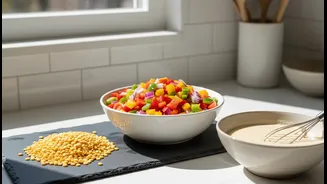
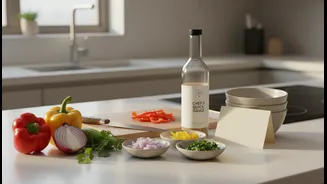
Enter the 'middle path', a concept often called 'speed scratch' or 'semi-homemade' cooking. It’s not about fully prepared meals, but about using high-quality convenience products as a base to create a personalised, home-cooked dish. Think of it as a smart collaboration with your pantry. This approach combines ready-made components—like a premium curry paste, pre-chopped vegetables, or fresh idli batter—with your own fresh ingredients and finishing touches. It eliminates the most time-consuming steps of meal prep without sacrificing the feeling and flavour of a home-cooked meal. This allows home cooks to focus on the creative aspects of cooking, rather than the laborious prep work.
Why This Trend is Booming in India
The rise of the middle path is driven by powerful shifts in Indian society. Rapid urbanisation and busy schedules have created a huge demand for time-saving meal solutions. The ready-to-cook (RTC) market in India is expanding rapidly, with one report projecting it to grow from USD 2.14 billion in 2026 to USD 8.21 billion by 2032. This growth is fuelled by consumers who want healthier, more hygienic options than takeaways but lack the time for full-blown scratch cooking. Brands like iD Fresh Food, which commands a major share of the branded batter market, and companies offering everything from biryani kits to frozen kebabs, are catering to this demand. The expansion of e-commerce and quick commerce has made these products more accessible than ever, lowering the barrier for consumers to try them.
What the Middle Path Looks Like on Your Plate
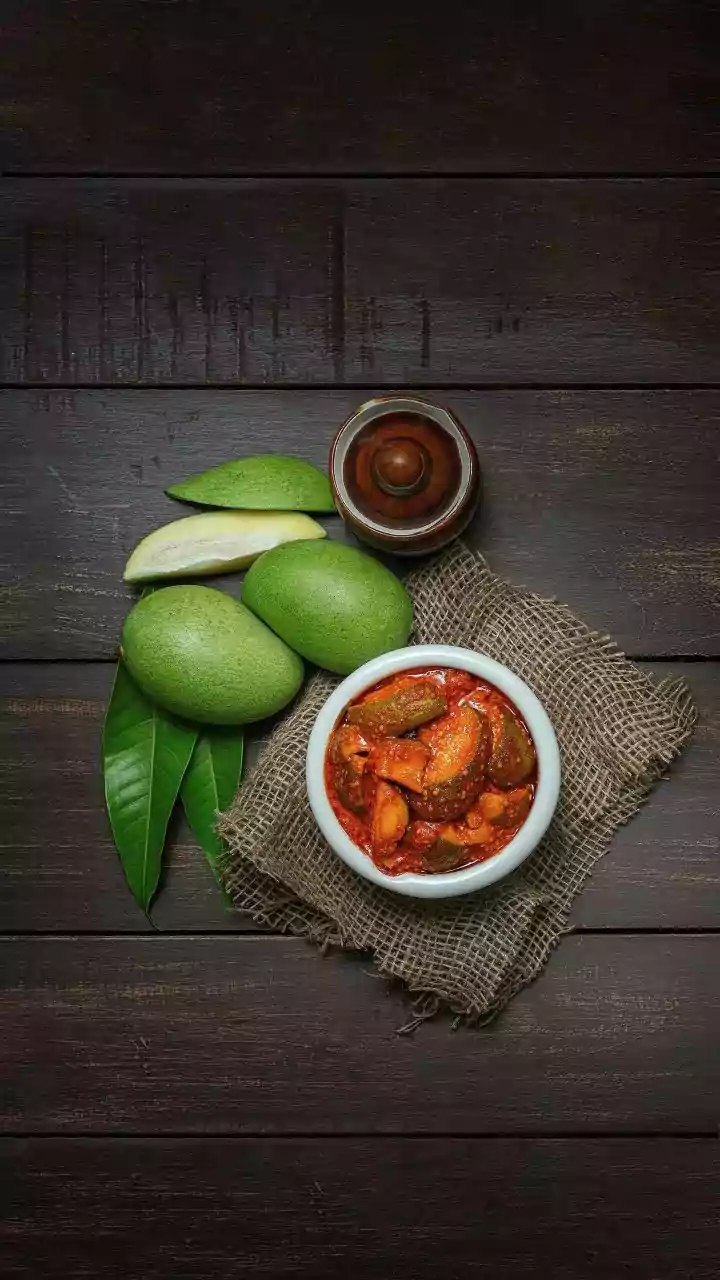
In the modern Indian kitchen, 'speed scratch' cooking is already a familiar practice. It’s using a high-quality, store-bought ginger-garlic paste instead of peeling and grinding your own. It’s buying fresh, ready-to-use dosa batter for a quick breakfast instead of soaking and grinding lentils and rice. It’s using a bottled tadka, a premium biryani masala kit from a trusted brand, or frozen grated coconut to save precious minutes. These products are no longer seen as inferior shortcuts but as smart enablers. They allow someone to whip up a flavourful paneer butter masala on a Tuesday night or serve fresh parottas without spending hours kneading dough, making wholesome home-cooked meals a sustainable daily habit.
More Than Just Saving Time
The appeal of the middle path goes beyond mere convenience. It’s about empowerment. It gives the home cook control over the final dish—they can adjust spice levels, add fresh vegetables, and control the amount of oil and salt. This approach also helps reduce food waste, as you use what you need without the risk of fresh ingredients spoiling. Furthermore, it can be more cost-effective than relying on meal kits or frequent takeaways. Ultimately, this trend is not about replacing the cook; it's about supporting them. It preserves the joy and creativity of cooking while removing the drudgery, which is why it resonates so deeply with a new generation of home cooks juggling work, family, and a desire for good food.