



First, Plan Your Menu
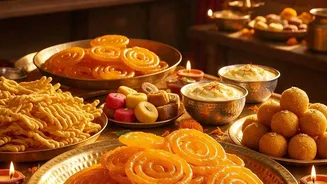
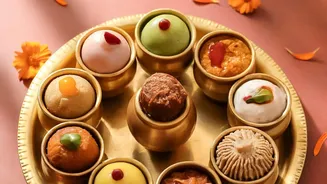
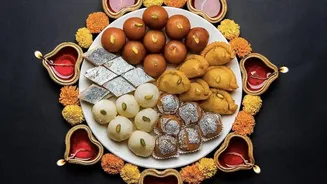
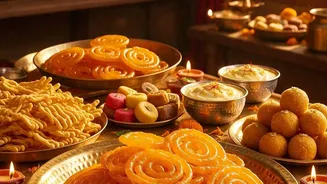
The secret to an effective shopping list is knowing exactly what you're going to cook. Before you list a single ingredient, decide on your menu. Break it down into three main categories: sweets (mithai), snacks (namkeen), and the main course. For sweets,
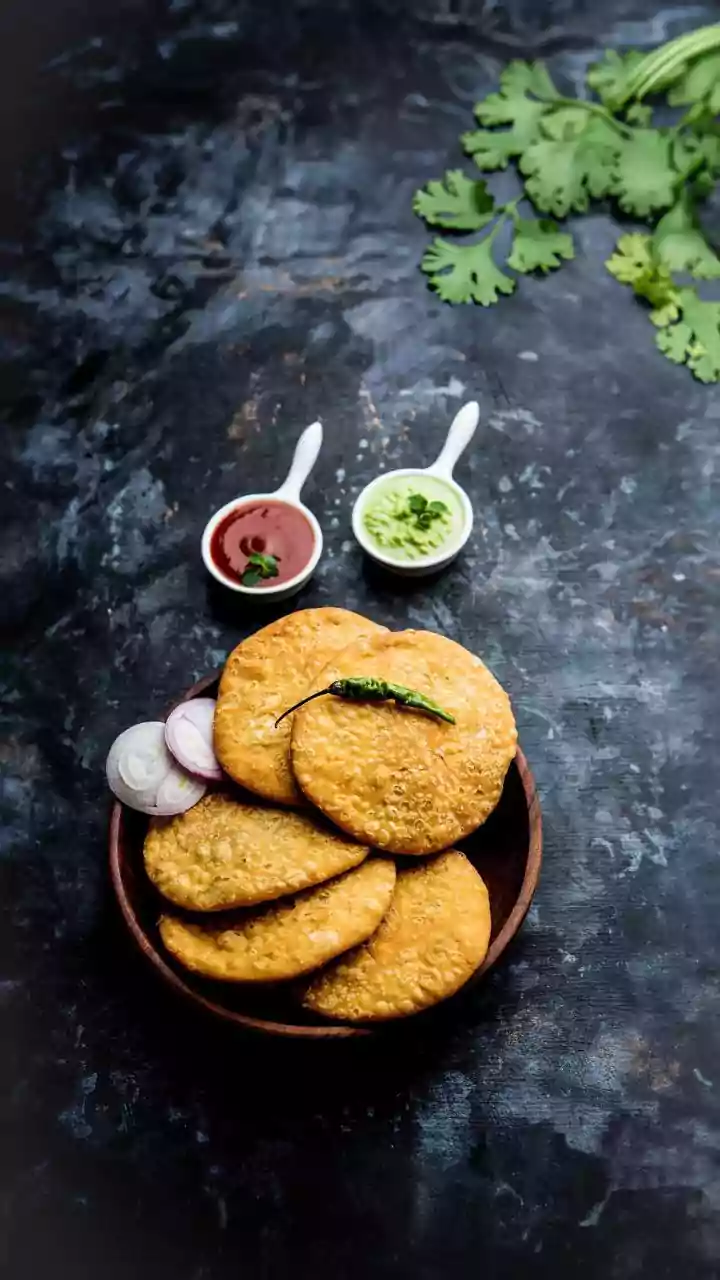
will you be making classics like Besan Ladoo, Gulab Jamun, or perhaps a regional favourite like Mohanthal? For snacks, popular choices include crispy Chakli, savoury Mathri, and homemade Chivda. The main meal might feature dishes like Chole Bhature, Paneer Butter Masala, or a festive Biryani. Once your menu is set, you can build your list around it.
Audit Your Pantry Staples
Before you rush out the door, take a thorough inventory of your pantry. Many essential Diwali ingredients are common kitchen staples, and checking what you already have prevents buying duplicates. Look for basic items like rice, various flours, sugar, ghee, and cooking oils. Check your spice cabinet for essentials like turmeric, red chilli powder, cumin, and coriander powder. Taking a few minutes to do a pantry audit saves both time and money, ensuring you only buy what you truly need for the festive preparations.
Grains, Flours, and Lentils
These form the base of many Diwali delicacies. Your list will likely need a variety of flours depending on your menu. Gram flour (besan) is essential for Ladoos, pakoras, and Mohanthal. All-purpose flour (maida) and semolina (sooji/rava) are needed for snacks like Shakarpara, Mathri, and crusts for Gujiya. For main courses and offerings, high-quality Basmati rice is a must. Don't forget lentils like chana dal and moong dal, which are used in both savoury snacks and some main dishes.
Dairy, Fats, and Sweeteners
Indian sweets, or mithai, are heavily reliant on dairy and fats. Ghee is non-negotiable for its rich, nutty flavour in almost all sweets and for frying. Full-fat milk, khoya (mawa), and condensed milk are the building blocks for countless desserts like Gulab Jamun, Barfi, and Carrot Halwa. Paneer is another key ingredient for mains like Paneer Tikka or Paneer Makhani. For sweeteners, you'll need plenty of sugar for syrups and sweets, and perhaps jaggery (gud) for traditional recipes like Karanji.
Nuts and Aromatic Spices
Diwali sweets are as much about decoration and aroma as they are about taste. Stock up on a variety of nuts and dried fruits like almonds, cashews, pistachios, and raisins. These are used for garnishing and providing texture in everything from Ladoos to Halwa. The soul of festive food comes from aromatic spices. Green cardamom pods or powder, precious saffron strands, and nutmeg are essential for infusing sweets with their signature fragrance. For savouries, ensure you have whole spices like cloves, cinnamon, and bay leaves, as well as ajwain (carom seeds).
Fresh Produce and Finishing Touches
Your fresh list will depend on your main course menu. This typically includes onions, garlic, ginger, and tomatoes, which form the base of most curries. Vegetables like carrots for Gajar ka Halwa, potatoes for samosa fillings or biryani, and cauliflower are also common. Don't forget fresh coriander for garnish and lemons for a touch of acidity. For a truly festive touch, consider edible silver leaf (vark) to decorate your homemade mithai, and rose water or kewra essence for an extra layer of fragrance in syrups and desserts.