






From Niche Hobby to Urban Necessity
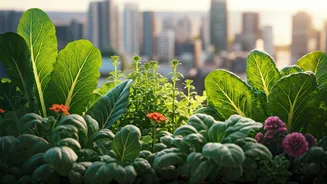
Not long ago, gardening was seen as a leisurely pursuit, reserved for those with sprawling bungalows and ample time. Today, that perception has been completely uprooted. In the concrete jungles of Mumbai, Bengaluru, and Delhi, a green revolution is taking
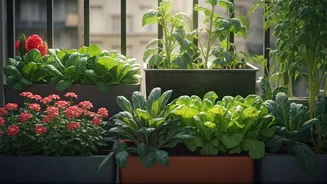
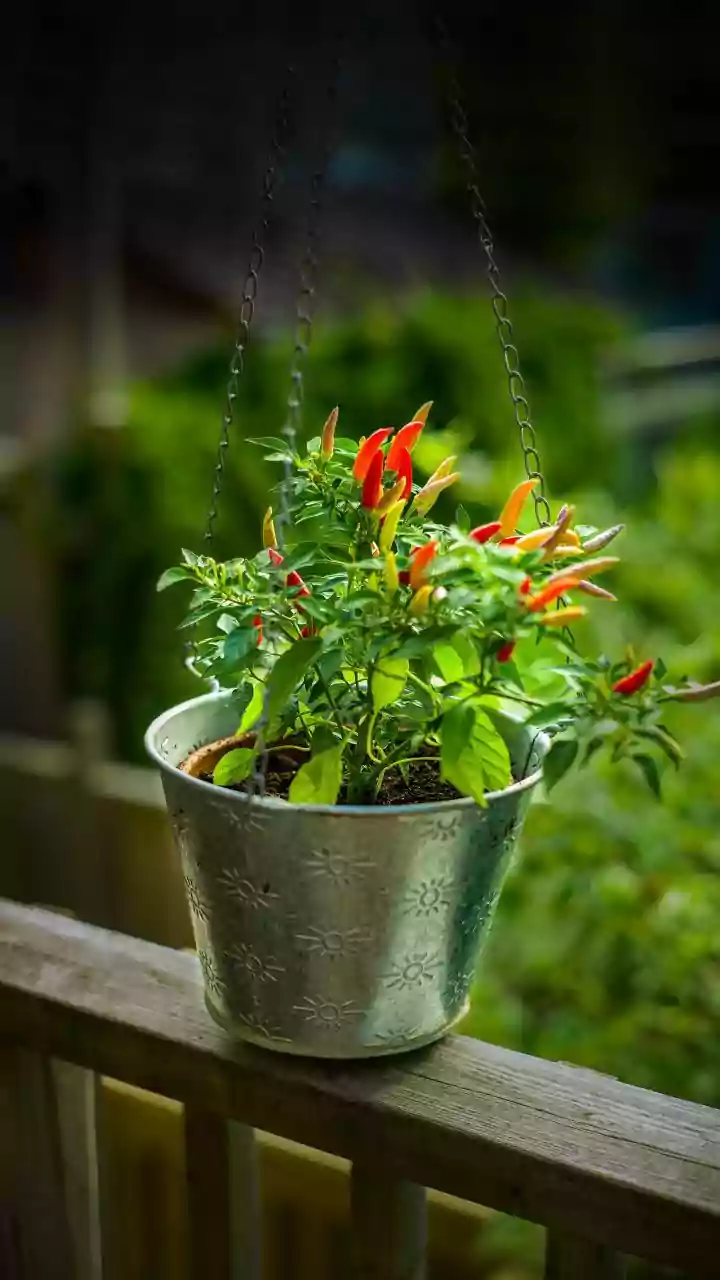
place on balconies, terraces, and windowsills. The shift was dramatically accelerated by the pandemic, when lockdowns confined millions to their homes. Faced with isolation and digital fatigue, many turned to soil and seeds for solace. What started as a way to pass the time quickly evolved into a powerful tool for well-being, transforming small urban spaces into personal green sanctuaries. This isn’t just about aesthetics; it’s about actively carving out a piece of nature in an increasingly disconnected world.
The Mental Wellness Connection
The boom in home gardening is deeply intertwined with a growing awareness around mental health. In a fast-paced, high-stress environment, the simple act of nurturing a plant offers a tangible sense of purpose and calm. Horticultural therapy, the practice of using plants and gardening to improve mental and physical health, is no longer just a clinical concept. For many, it's a daily ritual. The slow, mindful process of watering, pruning, and watching a plant grow provides a grounding counterbalance to the instant gratification of the digital world. It’s an exercise in patience and presence, helping to reduce anxiety and providing a quiet space for reflection. This connection to a living thing fosters a sense of responsibility and reward that is profoundly comforting.
A Taste of Sustainability
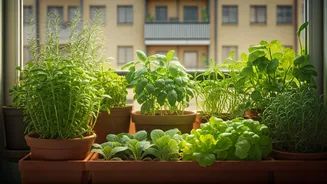
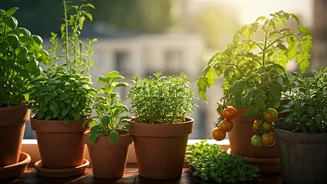
Beyond personal wellness, the gardening trend is also fuelled by a desire for a more sustainable lifestyle. Growing one's own food—even if it's just a pot of mint for chai, some basil for pasta, or a few cherry tomatoes for a salad—is an empowering act. It reconnects urban dwellers with the source of their food and fosters a deeper appreciation for what it takes to grow it. This 'farm-to-fork' experience, scaled down to a balcony, has created a wave of interest in organic practices and chemical-free produce. It’s a small but significant step towards reducing food miles, minimising waste, and taking control of one's consumption. Startups have tapped into this, offering organic seeds, soil mixes, and grow kits that make it easy for beginners to start their own mini-kitchen garden.
The Rise of the 'Plant Parent'
This new lifestyle has also cultivated a new identity: the 'plant parent'. For many millennials and Gen Z, plants have become companions, lovingly cared for and proudly displayed. Social media is flush with #UrbanJungle and #PlantParent posts, showcasing lush indoor gardens and rare foliage. Instagram accounts dedicated to plant care tips and aesthetics have amassed huge followings, creating vibrant online communities. These platforms are not just for showing off; they are forums for swapping advice, identifying pests, and celebrating small victories like a new leaf unfurling. This digital ecosystem has made gardening more accessible and less intimidating, turning it into a shared cultural experience rather than a solitary hobby. It has imbued plant ownership with social currency and a sense of belonging.
An Entire Ecosystem Blooms
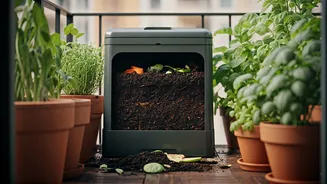
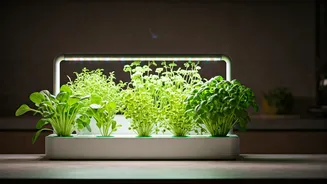
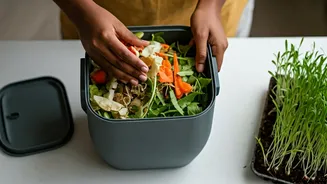
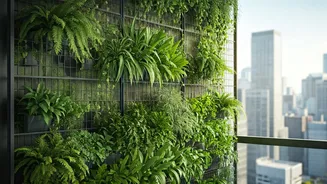
The movement’s growth has been supported by a flourishing commercial ecosystem. Online nurseries deliver exotic and low-maintenance plants directly to your doorstep. Subscription boxes provide curated seeds and tools. Countless workshops, both online and offline, teach everything from composting basics to advanced hydroponics. This infrastructure has removed many of the traditional barriers to entry, making it possible for anyone, regardless of space or experience, to participate. From self-watering pots designed for busy professionals to vertical gardening systems for tiny apartments, innovation is making it easier than ever to integrate greenery into the modern Indian home. It proves that you don’t need a large garden to be a gardener; all you need is a little space and the will to grow.