



The Rise of Mindful Munching
For generations, festive eating has meant setting aside dietary discipline to enjoy an abundance of sweets and savouries. However, a growing health consciousness across India is changing this narrative. More people are seeking ways to celebrate without
compromising their wellness goals, creating a demand for healthier alternatives to traditional, calorie-dense foods. This trend isn't about restriction; it's about finding a better balance. Instead of overindulging in snacks made with refined flour (maida) and sugar, consumers are looking for options that are both delicious and nutritious, a niche that millets are perfectly poised to fill.
Why Millets Are the 'Guilt-Free' Grain
Millets, often called 'nutri-cereals', are ancient grains like jowar (sorghum), bajra (pearl millet), and ragi (finger millet) that have been part of Indian diets for centuries. Their resurgence is thanks to a stellar nutritional profile. They are naturally gluten-free, high in dietary fibre, and packed with essential minerals like iron, calcium, and magnesium. The high fibre content aids digestion and promotes a feeling of fullness, which helps in managing portion sizes. Furthermore, most millets have a low glycemic index, meaning they release sugar into the bloodstream slowly. This helps maintain stable energy levels and prevents the sugar spikes and crashes associated with many conventional sweets and snacks, making them a smarter choice for everyone, including those managing diabetes.
From Ladoos to Chips: The New Festive Platter
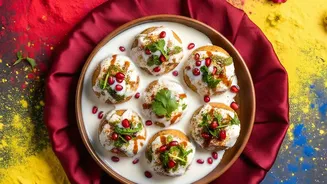
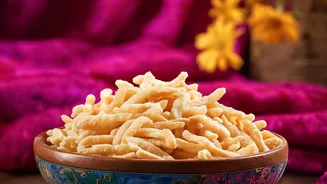
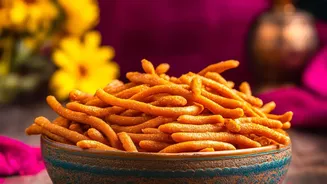
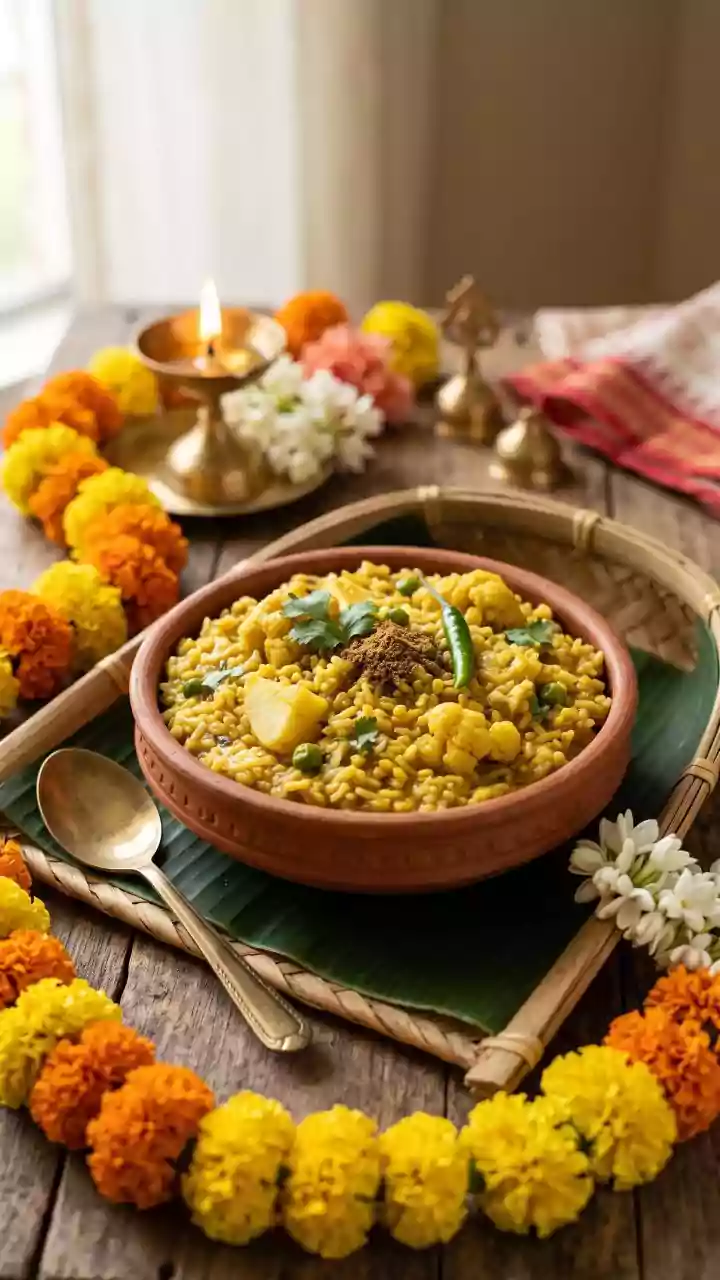
The innovation in the food industry means you don't have to look far to find millet-based festive treats. Brands are transforming these humble grains into a wide array of modern and traditional snacks. You can now find baked millet chaklis, jowar puffs, and ragi crackers that offer the same satisfying crunch as their fried counterparts but with significantly less fat. Even traditional sweets are getting a healthy makeover, with recipes for ragi ladoos and foxtail millet payasam replacing refined sugar with natural sweeteners like jaggery or dates. These products are available across major e-commerce platforms and in local supermarkets, making it easier than ever to add them to your festive spread alongside classic favourites.
How to Choose the Best Millet Snacks
While millet is a healthy ingredient, not all packaged millet snacks are created equal. It’s important to become a savvy shopper to ensure your 'healthy' choice is genuinely beneficial. Always read the ingredient label. Look for snacks where whole millets are listed as the primary ingredient, not just a minor addition. Be wary of products with long lists of artificial additives, preservatives, and high amounts of hidden sugars or sodium. Opt for baked, roasted, or air-fried versions over deep-fried ones to keep the fat content low. A truly healthy snack will have a clean, simple ingredient list that you can easily recognise and understand.
More Than Just a Healthy Choice
Choosing millets goes beyond personal health. These grains are known for their resilience and ability to grow in arid conditions with minimal water, making them an environmentally friendly crop. Supporting millet-based products often means supporting local farmers and sustainable agricultural practices. This adds another layer of feel-good satisfaction to your festive celebrations, knowing your choices contribute positively to both your well-being and the planet. The government's promotion of millets has also helped boost awareness and availability, reinforcing their place in the modern Indian kitchen.