





The Low-Cost Fix for Your Tech
You don’t need expensive gear to protect your electronics from a sudden downpour. The simplest and most reliable method is often the cheapest: a zip-lock bag. Keep a few different sizes in your travel pack. They are perfect for stashing your phone, power
bank, and charging cables when the clouds gather. For extra protection, especially against humidity, toss in a silica gel packet. These small pouches, often found in new shoe boxes or vitamin bottles, are excellent at absorbing moisture. If you're caught in heavy rain, a waterproof bag or backpack is a worthy investment. But in a pinch, a humble zip-lock bag provides a surprisingly effective seal against water damage.
What to Do If Your Gadget Gets Wet
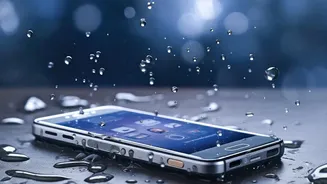
Panic is the enemy. If your phone or camera takes an unexpected dive, act fast. First, immediately turn the device off to prevent short-circuiting. Do not press any buttons or try to charge it. Remove the battery (if possible), SIM card, and memory card. Gently wipe the exterior with a dry cloth. Avoid using a hairdryer, as direct heat can warp internal components and damage adhesives. Instead, place the gadget in an airtight container filled with silica gel packets for 24 to 48 hours to draw out the moisture. While many people swear by using rice, it is less effective and small grains can get lodged in ports. Patience is your best friend here; turning it on too soon can cause irreversible damage.
Choose the Right Footwear Material
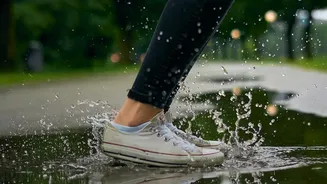
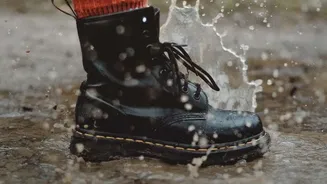
The first step in protecting your footwear is choosing the right kind for the season. Leather, suede, and canvas are poor choices as they absorb water, take a long time to dry, and can become breeding grounds for fungus and bacteria. Instead, opt for shoes made from waterproof or quick-drying materials like rubber, PVC, or EVA (ethylene vinyl acetate). These materials don’t absorb water, are easy to clean, and often come with anti-slip soles designed for wet surfaces, which is a crucial safety feature on slippery roads and tiles. If you must wear formal shoes, consider carrying them in your bag and changing into them at your destination.
Waterproof Sprays: A Shield for Your Shoes
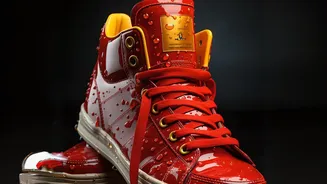
For shoes that aren't naturally waterproof, a good quality water and stain repellent spray can be a lifesaver. These sprays create an invisible, protective barrier over materials like canvas, nubuck, and even treated leather, causing water to bead up and roll off instead of soaking in. Before you step out, ensure your shoes are clean and dry, then apply the spray evenly from a distance of about 15-20 cm. It's always a good idea to test the spray on a small, inconspicuous area first to ensure it doesn't cause discolouration. Applying a fresh coat regularly can keep your favourite non-monsoon footwear usable even during light showers.
The Correct Way to Dry Wet Shoes
Tossing your drenched shoes in a corner is a recipe for disaster. It leads to bad odours, material breakdown, and fungal growth. The golden rule is to never store shoes while they are still wet. If you get caught in the rain, the first thing to do when you get back is to clean off any mud. Then, stuff them tightly with crumpled newspaper. The paper absorbs a remarkable amount of moisture. Replace the wet newspaper every few hours for best results. To speed up the process, place the shoes in a well-ventilated area or near a fan. Never use direct heat like a hairdryer or place them on a radiator, as this can crack leather, melt glues, and cause the shoe to lose its shape.
Combat Odour and Rotate Your Pairs
Humidity and dampness inevitably lead to smelly shoes. To combat this, give your footwear a chance to breathe. Avoid wearing the same pair of shoes every day. Rotating between two or three pairs allows each one to dry out completely, which can take at least 24 hours in humid weather. This practice drastically reduces the chances of fungus and bad smells developing. For extra freshness, you can sprinkle talcum powder or baking soda inside your shoes between wears to absorb lingering moisture and neutralise odours. Storing shoes with cedar shoe trees or silica gel packets also helps absorb moisture and maintain their shape.