


Golden Pumpkin (Kaddu)
The bright orange of pumpkin is a hallmark of the post-monsoon season. Rich in beta-carotene, which the body converts to Vitamin A, pumpkin is a fantastic immunity booster, perfect for the seasonal shift. Its natural sweetness and creamy texture make
it incredibly versatile. Beyond a simple kaddu ki sabzi, try adding pumpkin puree to your dal for a thicker, richer consistency or blending it into a comforting soup. You can also add grated pumpkin to paratha dough for soft, flavourful flatbreads that children and adults will enjoy.
Earthy Sweet Potato (Shakarkandi)
Sweet potatoes are a treasure trove of dietary fibre, vitamins, and minerals. Their inherent sweetness makes them a healthy alternative for satisfying carb cravings. While often enjoyed during fasts, shakarkandi can be a star in everyday meals. For a simple and healthy snack, try making roasted sweet potato chaat with a sprinkle of chaat masala and a squeeze of lime. You can also mash boiled sweet potatoes with spices to create delicious and filling patties or tikkis. They can even be added to curries, lending a subtle sweetness and creamy texture to the gravy.
Vibrant Pomegranate (Anar)
These jewel-like seeds are bursting with colour, flavour, and antioxidants. Pomegranates are an excellent source of fibre and vitamins, making them a great addition to a healthy diet. Their sweet-tart taste can brighten up a variety of dishes. Sprinkle the arils over salads, raita, or a bowl of morning porridge for a pop of colour and a burst of freshness. They also work wonderfully as a garnish for rice dishes like pulao, adding a surprising and delightful crunch. Their juice can be used to make a refreshing drink or a tangy salad dressing.
Creamy Custard Apple (Sitaphal)
September marks the arrival of the much-loved custard apple, also known as sitaphal. This unique fruit, with its sweet, creamy pulp, is a seasonal delicacy packed with nutrients. While most enjoy it fresh by simply scooping out the flesh, it can also be used to create delicious desserts. Deseed the pulp and blend it into milkshakes or use it to make a quick and easy homemade ice cream. According to Ayurveda, custard apple is known for its cooling properties, making it a soothing treat.
Nutritious Spinach (Palak)
While available in some form year-round, the quality of leafy greens like spinach is particularly good after the monsoon. Spinach is a powerhouse of iron, Vitamin A, and Vitamin C, all of which are crucial for maintaining strong immunity during a season known for infections. It is recommended to cook spinach rather than eat it raw during this time. Beyond the classic palak paneer or palak dal, you can add chopped spinach to omelettes, khichdi, or even dosa batter for a simple nutritional upgrade.
Refreshing Bitter Gourd (Karela)
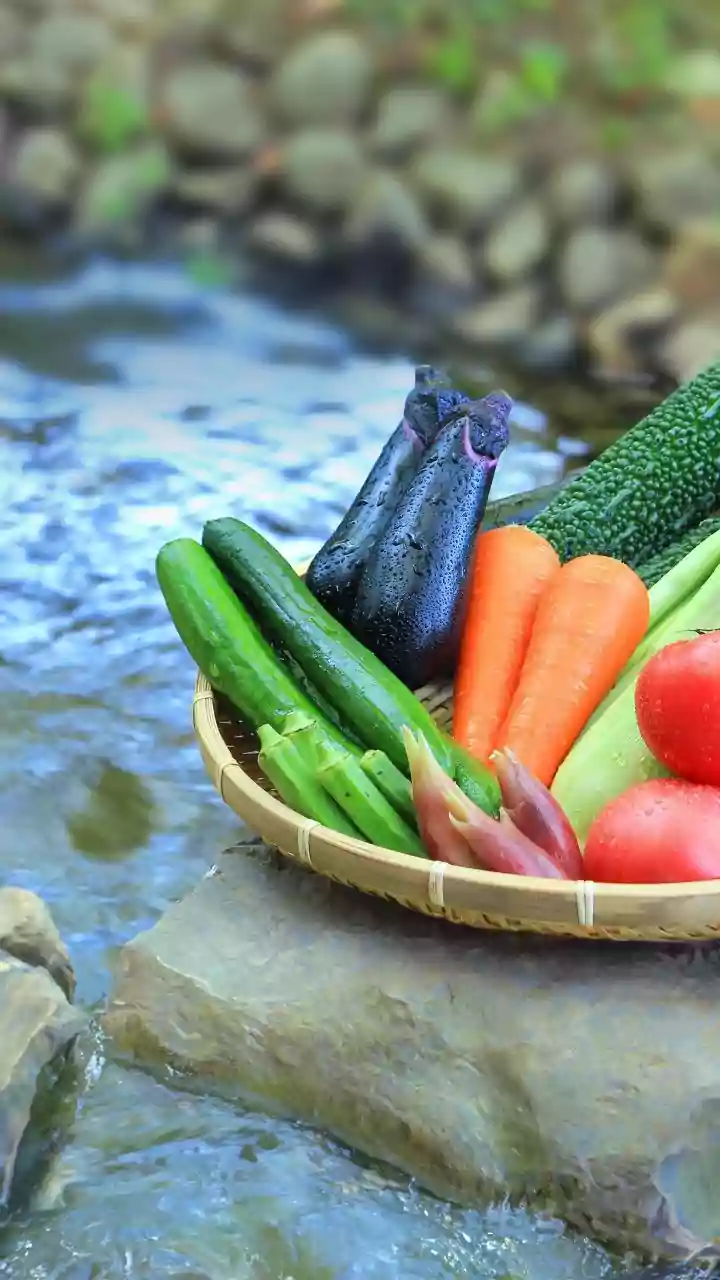
Often considered an acquired taste, bitter gourd is highly valued in traditional Indian diets, especially during the monsoon and post-monsoon period. It is known for its detoxifying properties and is packed with Vitamin C and powerful antioxidants. The bitterness can be balanced by stir-frying it with onions and spices, or by stuffing it with a flavourful masala mix. For those wary of the taste, slicing it thinly, salting it to draw out moisture, and then frying it until crisp can turn it into a surprisingly tasty side dish.