
Understanding Space Weather
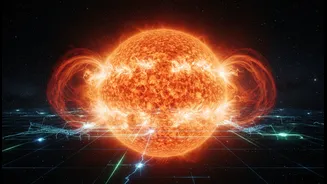
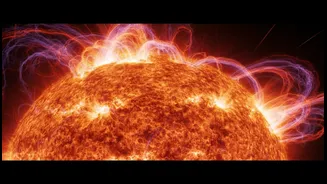
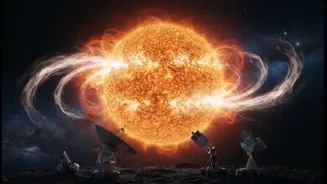
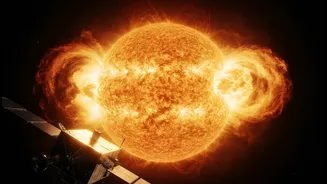
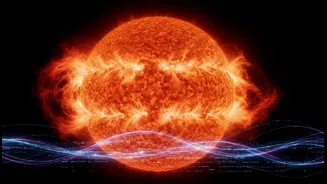
Space weather isn't like storms on Earth. It refers to the changing conditions in space driven by the sun. The main events are solar flares, which are intense bursts of radiation, and Coronal Mass Ejections (CMEs), which are giant clouds of solar plasma
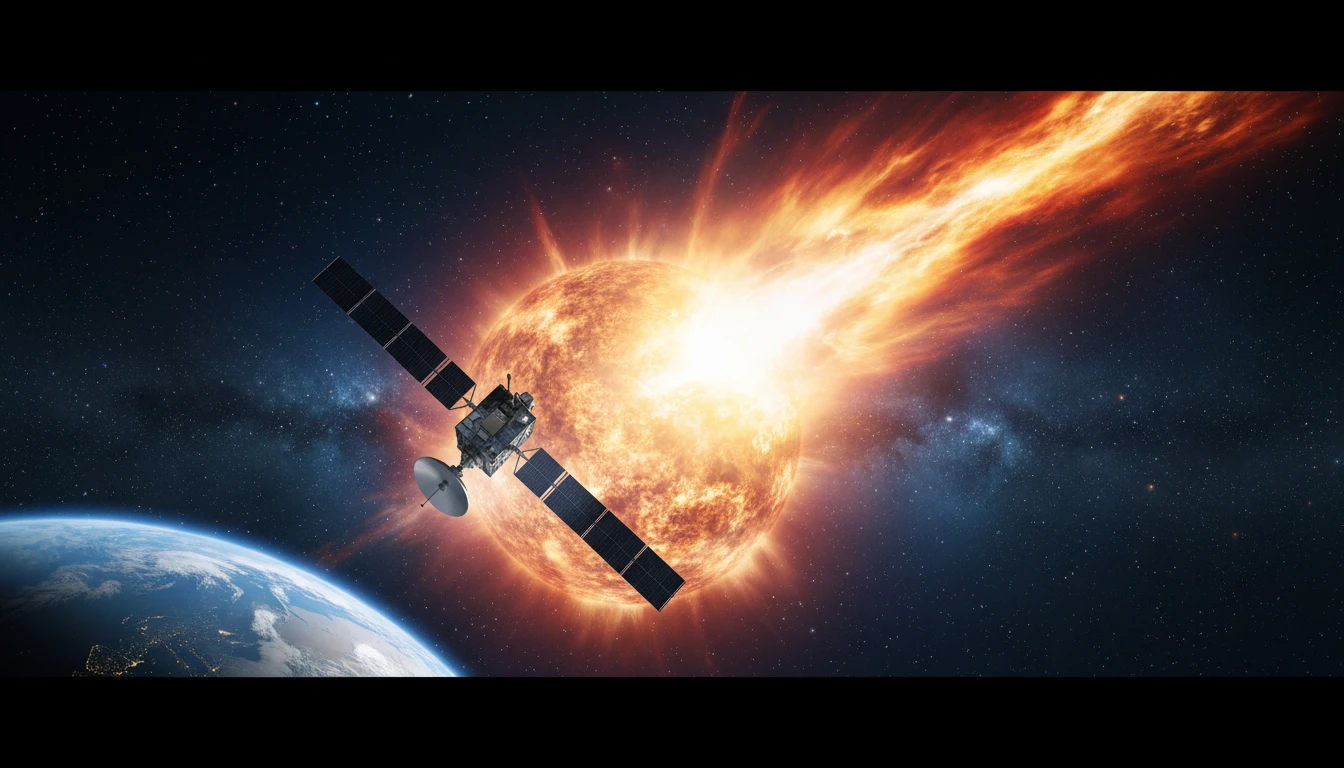
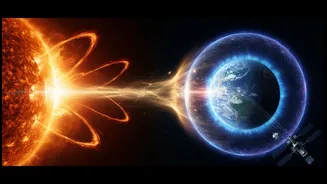
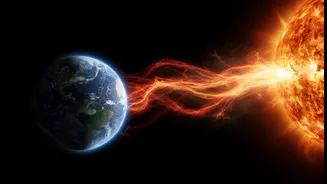
and magnetic fields flung into space. While Earth's magnetic field protects us from most of this, powerful events can breach our defences. A solar flare's radiation travels at the speed of light, reaching Earth in about eight minutes, while a CME is slower, taking one to several days to arrive. This time difference is crucial for preparation.
The Dangers to Our Digital World
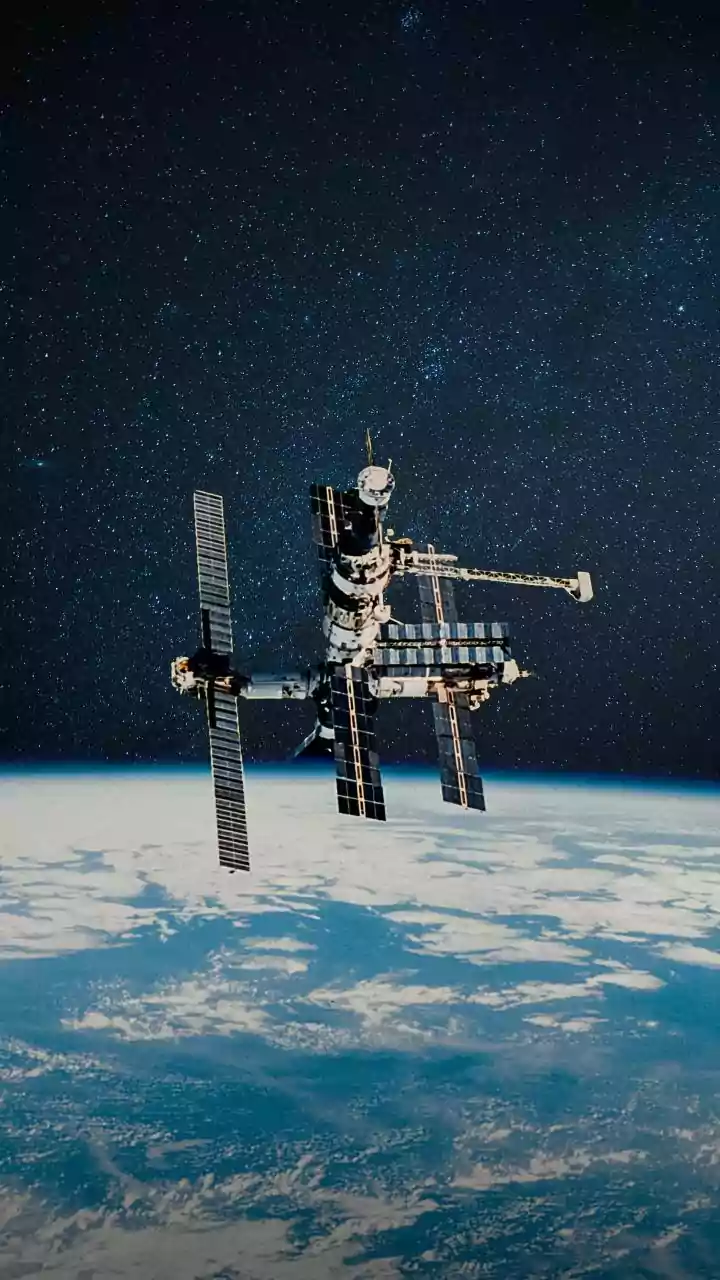
Our modern, tech-driven society is surprisingly vulnerable to solar tantrums. A strong geomagnetic storm, caused by a CME hitting Earth's magnetic field, can induce powerful currents in our power grids, potentially causing widespread blackouts. One such storm in 1989 left six million people in Quebec, Canada, without power. Satellites are also at high risk. Solar radiation can damage their electronics, degrade solar panels, and alter their orbits. This threatens everything from GPS navigation and telecommunications to weather forecasting. Even air travel can be affected, as communication systems can be disrupted, especially on polar routes.
India's Eye on the Sun: Aditya-L1
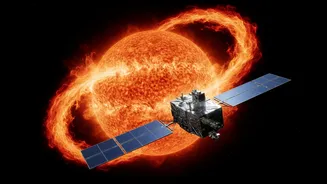
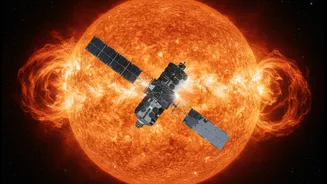
As India’s economy and security become more reliant on space assets, monitoring space weather is a national priority. The Indian Space Research Organisation (ISRO) has a powerful tool for this: the Aditya-L1 mission. Launched in September 2023, Aditya-L1 is India's first space-based observatory dedicated to studying the sun. It is strategically positioned at Lagrange Point 1 (L1), about 1.5 million kilometres from Earth. This special vantage point allows it to watch the sun continuously, without any eclipses or interruptions, acting as an early warning system. It can detect solar storms before they are influenced by Earth's magnetic field.
From Solar Data to Actionable Alerts
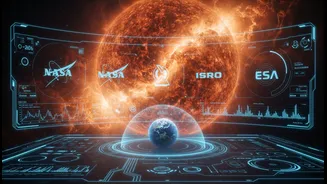
Aditya-L1 is equipped with seven sophisticated instruments designed to observe the sun's various layers, from the photosphere to the outermost corona. Payloads like the Solar Ultraviolet Imaging Telescope (SUIT) and X-ray spectrometers (SoLEXS and HEL1OS) work together to detect solar flares and CMEs across different wavelengths. When a potentially Earth-directed event is detected, the data is transmitted to ground stations. This information allows agencies to issue alerts. With a CME, this can provide a warning of 20 minutes to a few days, depending on the storm's speed and the satellite's location. This gives critical time for operators to react.
Protecting Critical Infrastructure
An early warning of a major solar storm is not just interesting data; it’s a crucial tool for mitigation. With an alert, satellite operators can put their spacecraft into a protective 'safe mode' to prevent electrical damage. Power grid managers can take steps to protect transformers and balance the electrical load to prevent failures. Airlines can reroute flights to avoid areas where communication and navigation might be compromised. As India plans to expand its own satellite navigation system (NavIC) and its presence in space, this predictive capability becomes essential for safeguarding national assets and the digital economy that depends on them.