



The Urban Renter’s Dilemma
Renting an apartment in a bustling Indian city often comes with a standard set of challenges: limited space, questionable paint jobs, and a strict “no drilling, no major changes” policy from the landlord. For years, the default solution was to fill the space with furniture
and possessions, leading to visual clutter that only adds to the stress of urban life. The result is often a home that feels more like a storage unit than a sanctuary. This frustration has paved the way for a design revolution, one that prioritises peace and purpose over possession.
Enter the Minimal Zen Philosophy
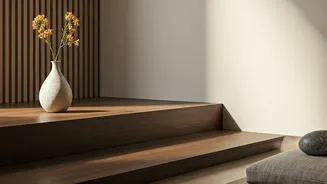
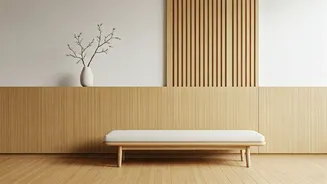
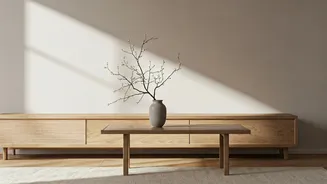
So, what exactly is this trend? It’s a beautiful fusion of two concepts. Minimalism provides the framework: ‘less is more.’ It encourages decluttering and keeping only what is essential, useful, or beautiful. Zen, rooted in Japanese tradition, brings the soul. It focuses on creating a calm, harmonious environment through natural elements, a muted colour palette, and an emphasis on mindfulness. Combined, they create spaces that are not just clean and organised, but also deeply calming and restorative. It’s not about having an empty room; it’s about ensuring every object in the room has a purpose and a place.
Why It Resonates with Indian Renters
The appeal of the Minimal Zen aesthetic in India is multi-faceted. Post-pandemic, there's a heightened awareness of mental well-being, and people are realising their home environment directly impacts their state of mind. In cities where life is fast-paced and chaotic, a serene home becomes a non-negotiable personal retreat. Furthermore, this philosophy is incredibly practical for renters. It doesn't rely on expensive renovations or structural changes. Instead, it’s about smart, intentional choices that can be packed up and taken to the next home, making it a sustainable and financially savvy approach to decorating.
Start with a Clean Slate
The first and most crucial step is decluttering. This can feel daunting, but the key is to be methodical. Go through your belongings one category at a time—clothes, books, kitchenware—and ask yourself if an item serves a real function or brings you genuine joy. The goal isn't to live like a monk, but to free yourself from the weight of unnecessary possessions. Sell, donate, or recycle what you don't need. This single act creates physical and mental space, laying the foundation for a more peaceful home.
Embrace a Palette of Calm
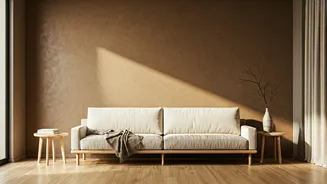
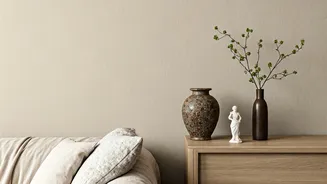
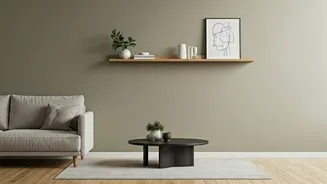
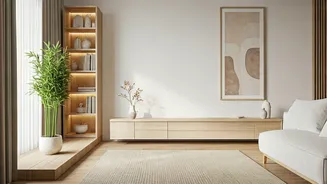
Colour has a profound effect on mood. The Minimal Zen aesthetic favours a neutral and earthy palette. Think whites, beiges, soft greys, and muted greens or blues. These colours reflect light, making small apartments feel larger and more airy. Use a base of neutral walls and furniture, then introduce subtle pops of colour through cushions, throws, or a single piece of art. This creates a cohesive and visually restful environment that you can easily update over time.
Choose Furniture with Purpose
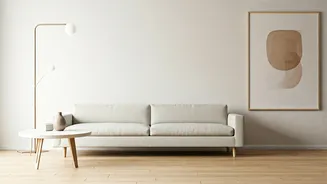
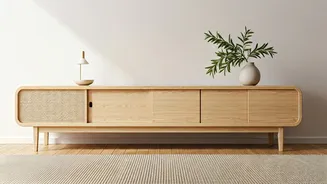
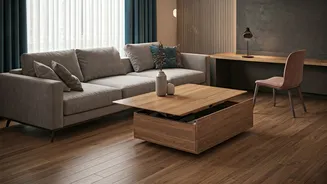
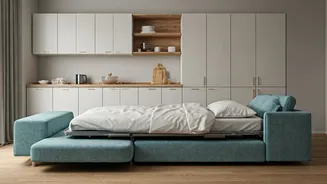
In a small rental, every piece of furniture should earn its place. Opt for multi-functional items: a coffee table with hidden storage, a sofa that converts into a bed, or a sleek bookshelf that also works as a room divider. Prioritise pieces made from natural materials like light-coloured wood, bamboo, or cane. These materials add warmth and texture without overwhelming the space. The idea is to have fewer, but better, pieces that are both beautiful and highly functional.
Invite Nature Indoors
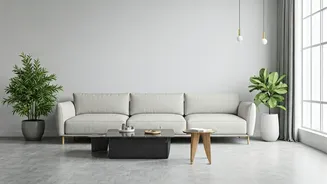
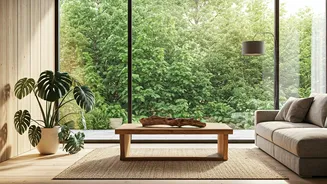
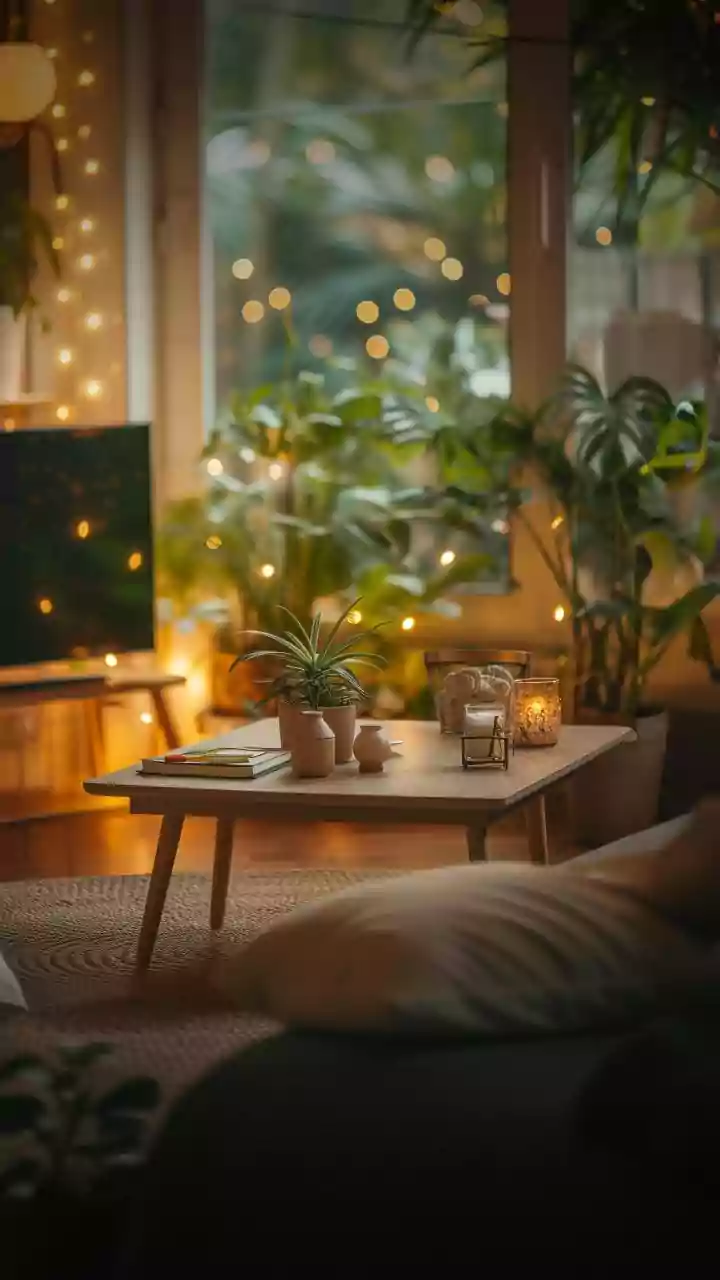
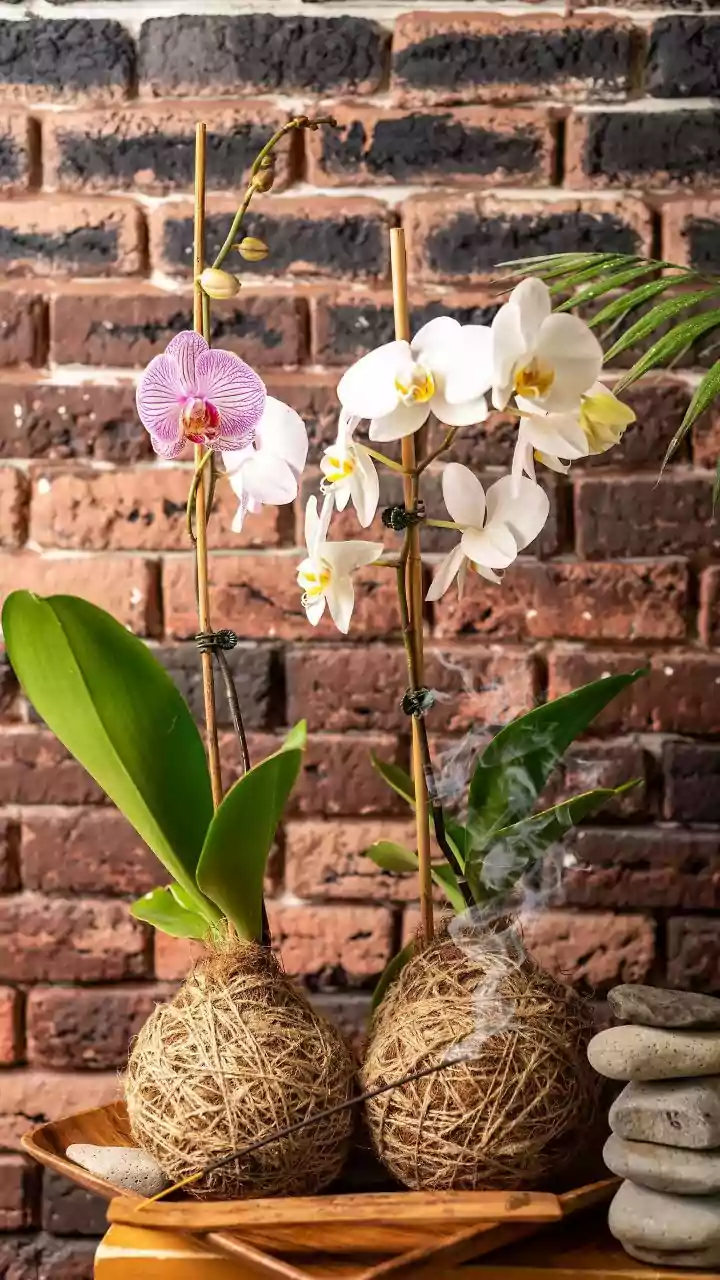
One of the easiest, cheapest, and most landlord-friendly ways to channel the Zen aesthetic is by incorporating nature. Place a few low-maintenance indoor plants like snake plants or ZZ plants in simple terracotta or ceramic pots. They purify the air and add a touch of life. Maximise natural light by using sheer curtains instead of heavy drapes. Finally, focus on textures. A simple jute rug, linen cushion covers, or a soft cotton throw can add layers of comfort and visual interest to a minimalist space.