
The Reign of the Curated Shelf
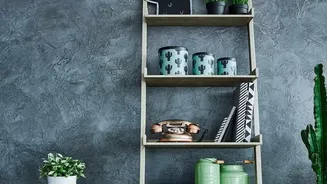
Not long ago, the ultimate sign of a stylish home was a meticulously arranged shelf, overflowing with character. This was the era of the 'shelfie', a social media phenomenon where every surface became a stage. Books were stacked by colour, not content,
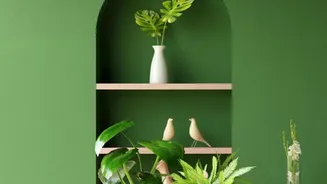
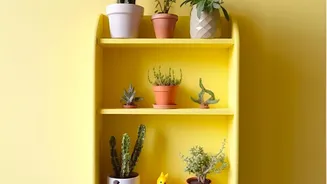
nestled between quirky objects, trailing plants, and artisanal candles. This maximalist approach, sometimes called 'cluttercore', was about visual storytelling and creating a rich, layered look. It was a way to project a personality, a life well-lived and well-read, even if the books were more for display than for reading. The goal was a space that looked artfully busy and full of treasures, a personal museum where every inch was put to work.
A Backlash Fueled by Authenticity
The first whispers of a reversal came with a new buzzword: 'bookshelf wealth'. This trend, which gained viral traction, champions a different kind of collection—one based on authenticity. Instead of perfectly styled props, 'bookshelf wealth' celebrates shelves filled with books that have actually been read, showing the wear and tear of a beloved story. It's about a space that looks lived-in because it truly is, filled with personal objects and art collected over time, not curated in a single shopping trip. This represented a subtle but significant shift from aesthetics-as-performance to a desire for a home that reflects a real, imperfect life. It is the antithesis of the 'shelfie's' focus on looks over substance.
The Psychological Pull of Empty Space
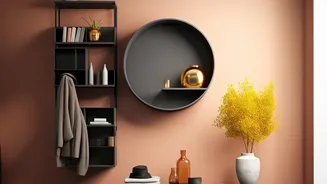
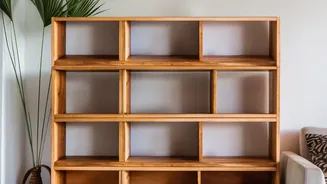
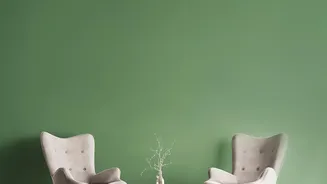
The move toward less-cluttered shelves is more than just a changing design trend; it's rooted in a deeper psychological need. In a world of constant information and sensory overload, the home is becoming a sanctuary for mental peace. Research in environmental psychology suggests that cluttered spaces can increase stress, while visual breaks and uncluttered interiors can soothe and promote focus. Negative space, or the empty area around objects, gives the eye a place to rest. It allows the few items on display to have more impact, turning a simple object into a focal point. This intentional emptiness isn't about absence, but about creating calm, clarity, and a sense of freedom.
From 'More is More' to 'Less is More'
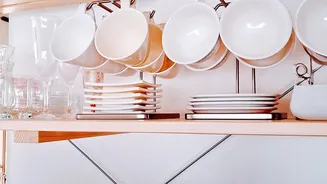
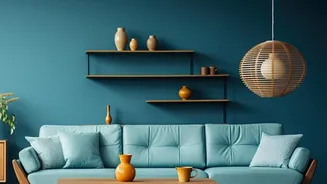
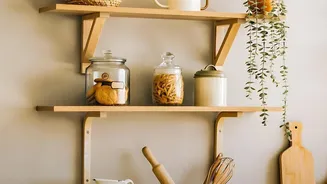
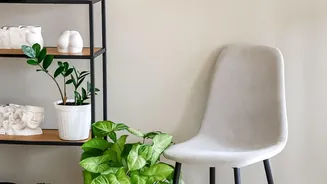
The trend reversal doesn't mean we must all become stark minimalists and throw everything away. Instead, it signals a move toward more intentional living. The 'less is more' philosophy prioritizes function over form, keeping only what is essential or genuinely loved. For shelves, this translates to editing your collection. It means giving objects 'breathing room' and trusting that a bare wall or a clear surface can be just as beautiful as a full one. It's a shift from seeing luxury as abundance to seeing it as the presence of intention and the quiet confidence to leave space open.
How to Embrace the Shift at Home
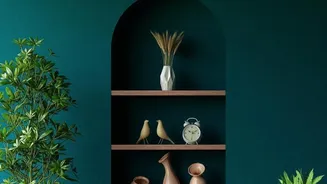
Making this change in your own space can feel refreshing. Start by taking everything off your shelves. This gives you a blank canvas and allows you to re-evaluate each item. As you put things back, be selective. Ask yourself if you truly love the object or if it's just filling a space. Focus on creating balance by mixing tall and short items, and try grouping things in odd numbers like threes or fives, which is often more pleasing to the eye. Most importantly, embrace the gaps. That empty space is not a void to be filled; it is a deliberate design choice that brings a sense of peace and highlights the beauty of what remains.