


Beyond 'Sugar-Free'
The terms on food packaging can be confusing. 'Sugar-free' has a specific legal definition, typically meaning a product contains less than 0.5 grams of sugar per serving. However, this doesn't mean it's free of carbohydrates or calories, which can still
impact blood glucose. In contrast, a dessert 'made with blood sugar in mind' takes a more holistic approach. The goal isn't just to eliminate sugar but to create a treat that causes a slower, more gentle rise in blood sugar. This is achieved through a careful combination of ingredients that work together to manage the body's glucose response.
The World of Alternative Sweeteners
A key component in these sweets is the type of sweetener used. Not all sugar substitutes are created equal. Many products use sugar alcohols, a category of sweeteners that have fewer calories than sugar. However, their impact on blood sugar varies significantly. Erythritol, for instance, has a glycemic index (GI) of zero, meaning it generally does not raise blood glucose levels at all. Stevia and monk fruit are other popular natural, zero-calorie options. On the other hand, a sugar alcohol like maltitol has a glycemic index of around 35 to 52, meaning it can cause a noticeable increase in blood sugar, sometimes close to that of regular sugar. This is a critical distinction, as many products marketed as 'diabetic-friendly' use maltitol.
It's Not Just About Sweetness
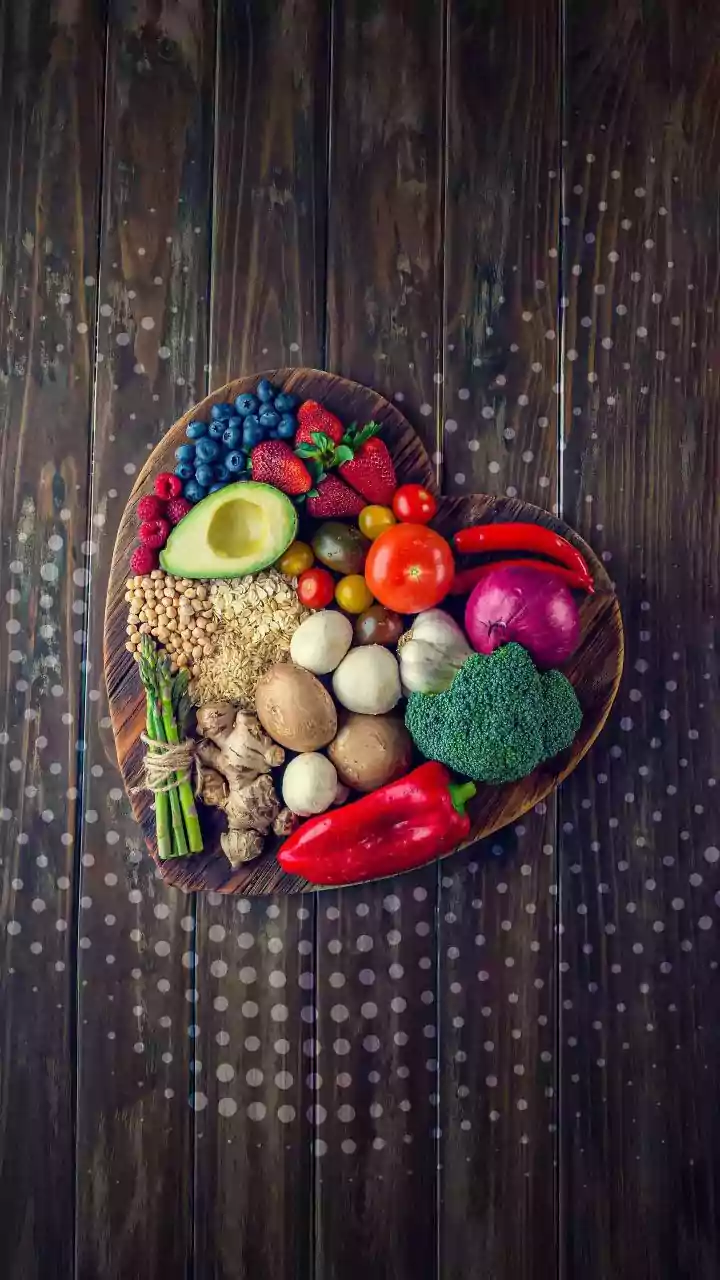
Perhaps the biggest secret of blood sugar-friendly desserts has little to do with the sweetener itself. The other ingredients play a powerful role in slowing down digestion and, consequently, the absorption of glucose into the bloodstream. Adding protein, healthy fats, and especially fiber can significantly flatten the blood sugar curve after a meal. That's why you'll often see these sweets made with almond flour instead of refined white flour, or with added ingredients like nuts, seeds, and even avocado. These components add substance and texture, but more importantly, they provide a buffer that helps prevent the sharp spikes and crashes associated with traditional, high-carb desserts.
How to Read the Label
To become a savvy shopper, you need to look beyond the claims on the front of the package. Turn the product over and examine the nutrition facts panel. Don't just look at the 'sugars' line; check the 'total carbohydrates'. Next, look at the dietary fiber. Subtracting fiber from total carbs can give you a better idea of the 'net carbs' that will impact your blood sugar. Also, check the ingredients list. Are the sweeteners used low-glycemic ones like erythritol or stevia, or is maltitol high on the list? Are there sources of fiber and protein, like nut flours or seeds? This deeper look will give you the true story of how the product is likely to affect you.
A Holistic Approach to Treats
Even with smarter ingredients, it's important to remember that these desserts are still treats. Portion control remains a crucial part of managing blood sugar. A serving size on a label is a specific amount, and eating multiple servings will multiply the impact of the carbohydrates, fats, and calories. The goal of these thoughtfully formulated sweets is not to provide a free pass to eat unlimited quantities but to offer a more stable, satisfying option when a craving strikes. By combining intelligent ingredient choices with mindful consumption, you can enjoy a sweet moment without derailing your health goals.