



An Orbital Junkyard Above Our Heads
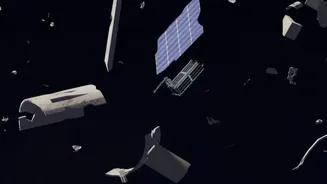
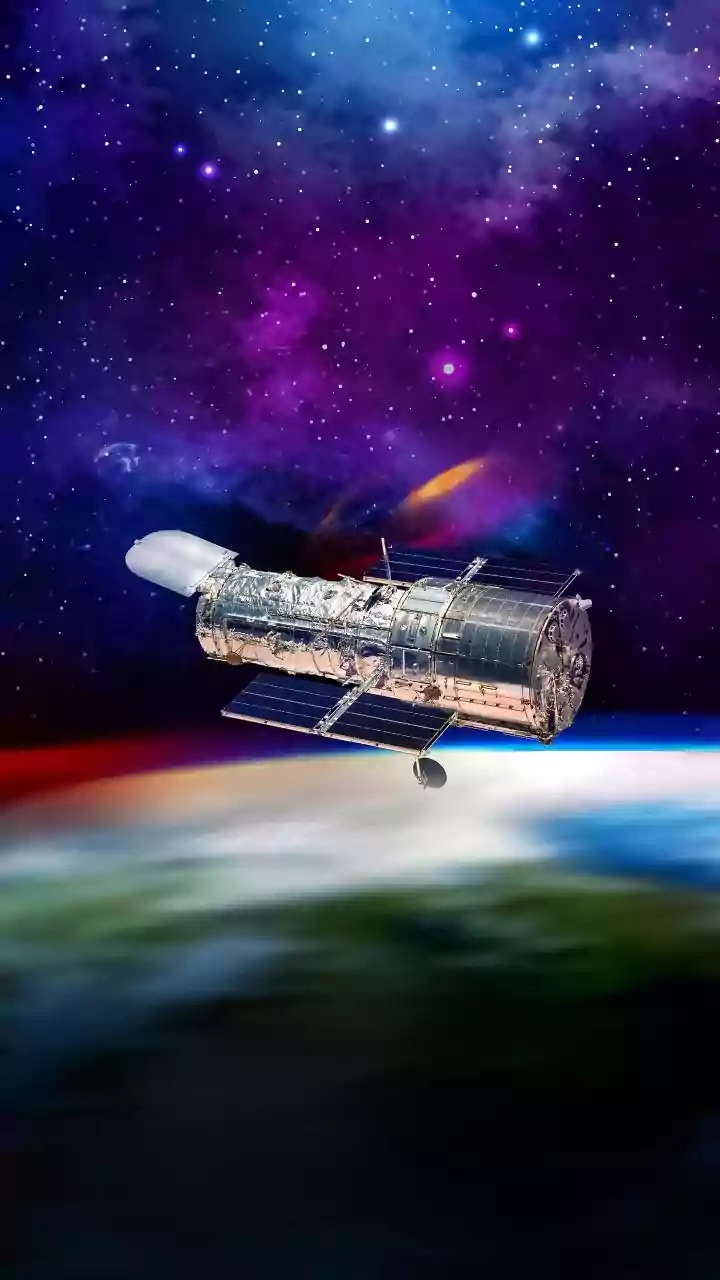
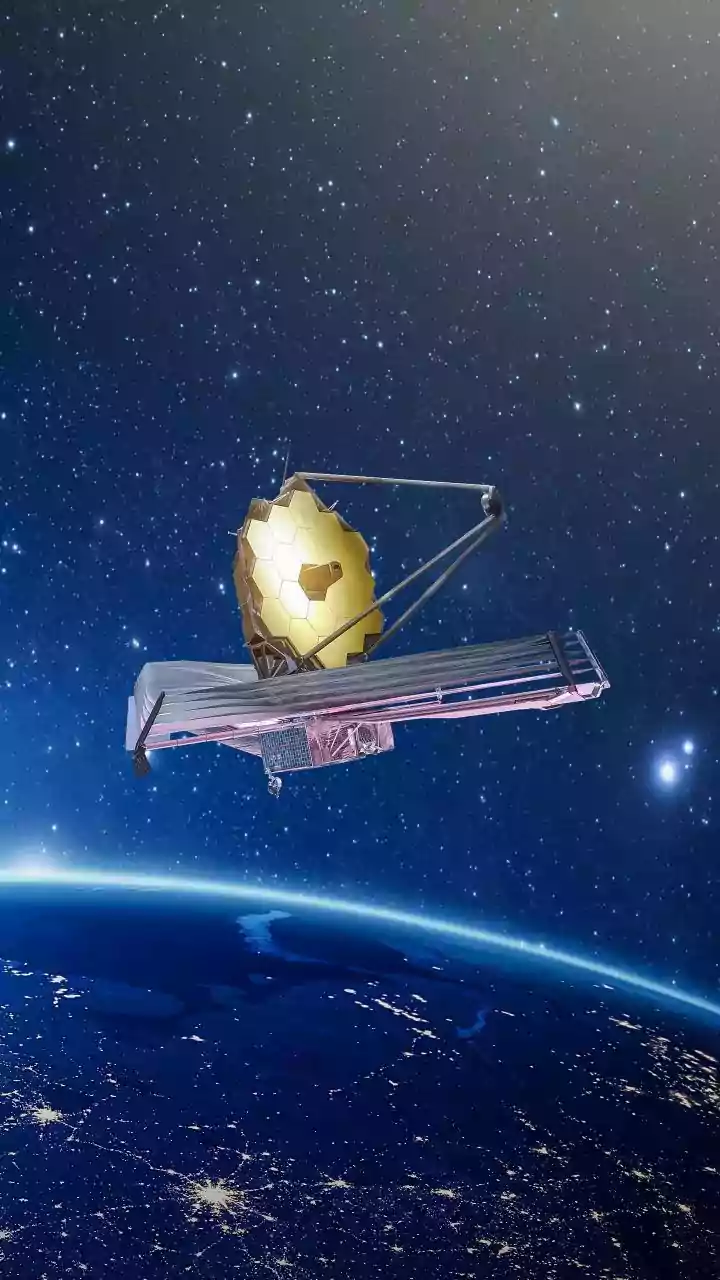
Space may seem vast and empty, but the region just above Earth is becoming dangerously crowded. Since the space race began, thousands of launches have left behind a legacy of junk. This includes everything from entire defunct satellites and spent rocket
stages to tiny fragments from explosions and even flecks of paint. According to the European Space Agency, there are over 1.2 million pieces of debris larger than 1 cm orbiting our planet. While space surveillance networks track around 40,000 of the largest objects, millions of smaller, untraceable pieces pose a significant threat. Travelling at speeds of over 25,000 kilometres per hour, even a centimetre-sized object can strike with the force of a hand grenade, capable of disabling or destroying a functioning satellite. This growing cloud of debris threatens the critical infrastructure we rely on for GPS, weather forecasting, and global communications.
Enter the Cosmic Cleanup Crew
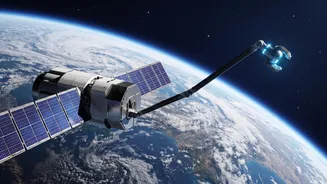
The good news is that a new generation of space janitors is emerging to tackle the problem. A growing number of startups and established aerospace companies are developing innovative technologies for what is known as Active Debris Removal (ADR). Companies like Japan's Astroscale and Switzerland's ClearSpace are pioneering missions to capture and de-orbit large pieces of junk. Astroscale is working on a magnetic docking system, while ClearSpace is developing a robotic craft with four arms to grab and dispose of a target. These missions are moving from theory to reality, with companies like Portal Space Systems and Paladin Space aiming to offer a commercial "Debris Removal as a Service" as early as 2027. This marks a shift from experimental tests to operational, repeatable cleanup missions.
How Do You Harpoon a Satellite?
The headline-grabbing technologies sound like something from science fiction. The harpoon is a very real concept that has been successfully tested in space. Missions like RemoveDEBRIS have demonstrated that a harpoon, fired from a chaser satellite, can penetrate the panel of a target and secure it with a tether. The harpoon is simple and effective for capturing large, tumbling objects without needing to get too close. Another method involves giant nets, which can entangle a defunct satellite, allowing it to be dragged out of orbit. The term "laser harpoon" is a catch-all for several advanced concepts. One uses ground-based or space-based lasers in a non-contact method. Instead of physically grabbing the debris, a powerful laser beam vaporizes a tiny part of the object's surface in a process called laser ablation. This creates a small plume of plasma that acts like a tiny rocket thruster, nudging the debris into a new, lower orbit where it will eventually burn up in Earth’s atmosphere.
Why This Matters for India's Future in Space
For a space-faring nation like India, orbital sustainability is not an abstract concept—it's a national priority. The Indian Space Research Organisation (ISRO) operates a large fleet of satellites crucial for communication, disaster management, agriculture, and national security. These assets are directly threatened by the growing debris field. Furthermore, as India expands its human spaceflight program (Gaganyaan) and plans for future interplanetary missions, ensuring safe passage through low-Earth orbit is paramount. The global push for space cleanup also presents a significant business opportunity. The market for in-orbit services is projected to grow exponentially, and Indian startups are already entering the field. By participating in the development of these cleanup technologies, India can not only protect its own assets but also become a key player in the emerging economy of orbital sustainability.