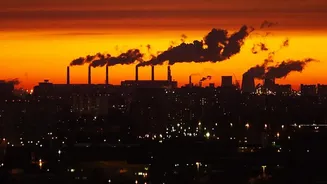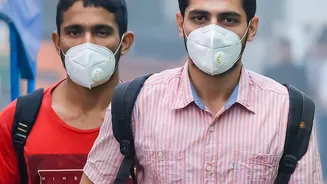





It’s a familiar story after Diwali night: the festive air filled with lights gives way to a hazy, suffocating morning. But why does the pollution often feel so much worse hours after the fireworks have ended? The answer lies in simple meteorology.
The Evening Illusion
During
Diwali evening, as fireworks light up the sky, the air can sometimes feel deceptively clear. This is partly because the atmosphere is still relatively warm from the day. Heat from the ground creates upward air currents, and winds, though they may be light, help to disperse the initial plume of smoke and pollutants. Firecrackers release a cocktail of harmful pollutants, including fine particulate matter (PM2.5), sulphur dioxide, and heavy metals. While these are instantly injected into the air, their most concentrated impact is often delayed, creating a false sense of security during the celebrations themselves.
The Overnight Trap: Temperature Inversion
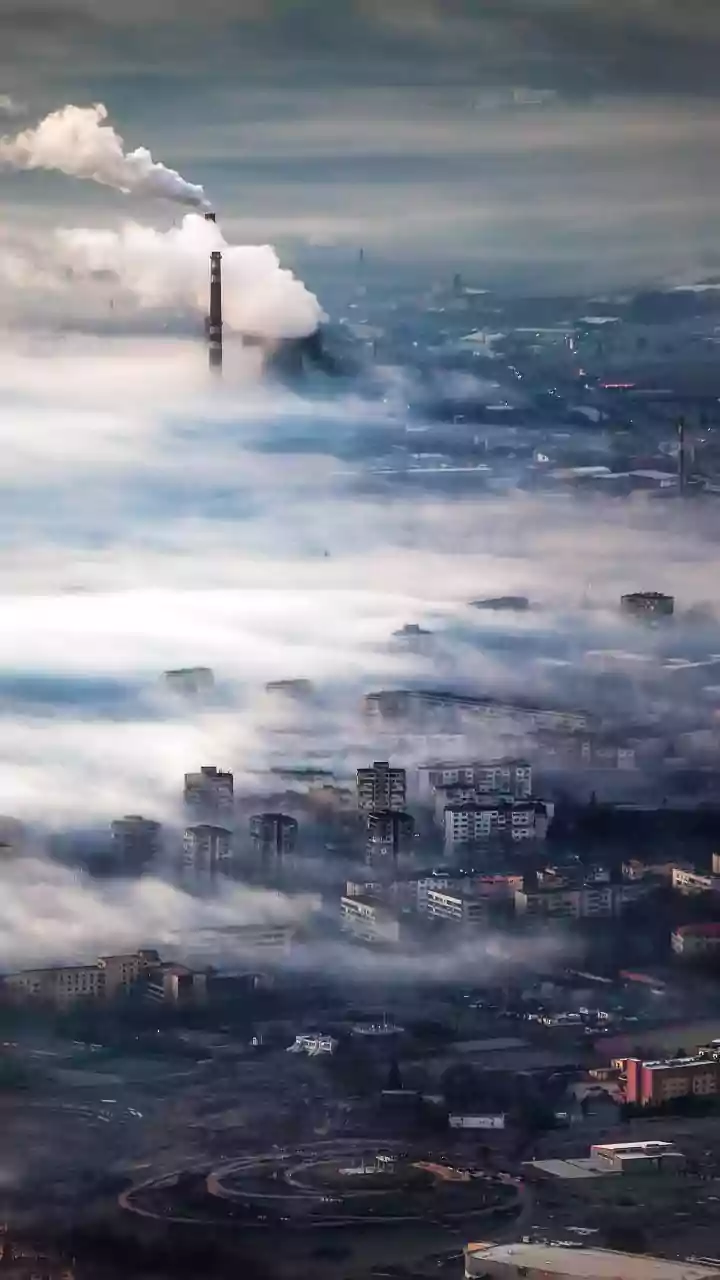
The real change happens overnight, thanks to a phenomenon called temperature inversion. Normally, air is warmer near the ground and gets cooler with altitude. This allows warm, polluted air to rise and disperse. However, on calm, cool nights typical of the season, the ground loses heat rapidly, cooling the air closest to it. This leaves a layer of warmer air sitting above the cold air, like a lid on a pot. This 'lid' traps everything underneath it, preventing pollutants from rising and scattering.
A Stagnant Atmosphere
Compounding the inversion effect is the behaviour of the planetary boundary layer — the lowest layer of the atmosphere where we live and breathe. During the day, solar heating causes this layer to expand, offering a larger volume for pollutants to dilute into. But at night, as the surface cools, this boundary layer shrinks and becomes very shallow. All the pollutants released during the evening festivities get concentrated into this much smaller volume of air. Combined with the fact that wind speeds typically drop to their lowest levels overnight, the air becomes stagnant, allowing PM2.5 and other harmful particles to accumulate near the ground.
The Morning-After Peak
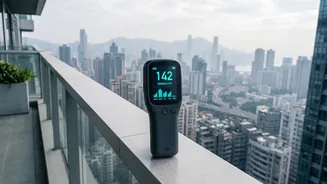
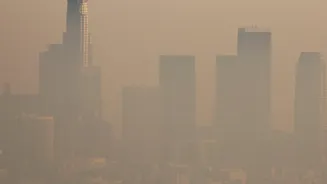
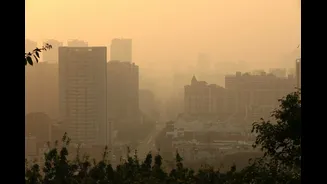
When the sun rises the next morning, it begins to warm the ground again. This process slowly breaks down the temperature inversion and allows the boundary layer to expand. However, this doesn't happen instantly. For a few hours after sunrise, the inversion remains in place, holding onto the highest concentration of pollutants from the night before. This period, often between 7 a.m. and 10 a.m., is when air quality readings frequently hit their peak. The combination of trapped pollutants from the previous night and new emissions from morning traffic creates a potent smog that we see and breathe as we start our day.
More Than Just Fireworks
It's important to remember that Diwali celebrations don't happen in a vacuum. The festival often coincides with other polluting events, particularly in North India. Farmers in neighbouring states may be practicing stubble burning, and the general increase in traffic and industrial activity adds to the baseline pollution. The cool, dry, and calm weather conditions of this season are already primed to trap pollutants. The massive, shortterm burst of emissions from fireworks is simply the final ingredient that pushes an already fragile system into the 'severe' air quality category, with health consequences for everyone, especially children and those with respiratory conditions.