



Context: The Current Situation
As of August 10, the monsoon is active across Himachal Pradesh. The India Meteorological Department (IMD) has issued an 'orange alert' for heavy to very heavy rainfall in several districts, including Mandi, Kullu, and Kangra—all of which are on the approach
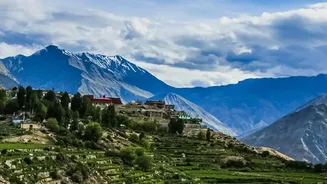
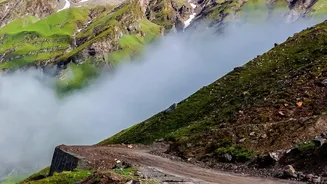
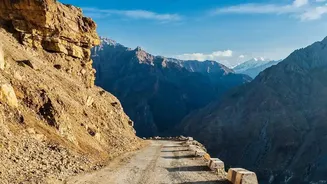
routes to Spiti. This has led to landslides and the closure of over 100 roads across the state. While Spiti Valley itself is in a rain-shadow area and receives less rainfall, the roads to get there are vulnerable. Landslides, water crossings, and slush are real possibilities, especially on the Batal-Gramphoo stretch and near Malling Nala. Your packing list needs to account for these specific, current challenges.
Clothing: Waterproofing and Layering are Non-Negotiable
Weather in the high-altitude desert can be deceptive. A sunny morning can turn into a cold, windy afternoon. The key is to dress in layers that you can add or remove. Start with a moisture-wicking thermal base layer. Add a fleece or light down jacket for insulation as your mid-layer. The most critical item is a high-quality, windproof and waterproof outer jacket or hardshell. For your lower body, carry at least one pair of waterproof trousers. Pack multiple pairs of heavy wool socks and ensure your footwear consists of waterproof, high-ankle trekking boots with excellent grip. Even if the valley is dry, you will likely encounter mud, slush, or water crossings on the way.
Gear for Roadblocks and Emergencies
Given the reports of road closures, you must prepare for the possibility of getting stranded. This means carrying extra food and water. Pack high-energy, non-perishable snacks like protein bars, nuts, and chocolates. A reusable insulated water bottle is essential, along with a water purification system or tablets. A powerful headlamp or flashlight with extra batteries is crucial, as power cuts are common and you may be on the road after dark. If you're driving your own vehicle, a basic toolkit, a puncture repair kit, and a tow strap are wise additions. Gumboots can be a lifesaver for navigating slushy patches or water crossings.
Health and First-Aid Kit: Beyond the Basics
Your medical kit for Spiti needs to be comprehensive. Beyond the usual antiseptic, bandages, and pain-relief tablets, it must address high-altitude issues. Consult a doctor about altitude sickness medication like Acetazolamide (Diamox) before your trip. Pack Oral Rehydration Salts (ORS) to combat dehydration, which is common at high altitudes. Also include medication for stomach upsets, as the change in food and water can cause issues. Given that pharmacies in Kaza have limited supplies, carry more than you think you'll need of any personal prescription medications. Sunscreen (SPF 50+) and lip balm are vital due to the high UV radiation.
Electronics and Connectivity
Assume you will have no network and limited charging points for long stretches. A high-capacity power bank (20,000mAh is recommended) is essential to keep your devices charged. Cold weather can drain batteries quickly, so keep your phone and camera batteries warm by storing them in an inner pocket. Download offline maps of the entire region on your phone before you leave. While some areas have connectivity, you cannot rely on it for navigation. Carry a physical, written list of emergency contacts and your hotel bookings as a backup.
Documents and Cash
Digital payments may not be an option in many parts of Spiti. ATMs are rare and often out of cash. Carry a substantial amount of cash, in small denominations, to pay for guesthouses, food, and local transport. Always have your original government-issued photo ID (like an Aadhaar card or passport) and several photocopies with you. While Inner Line Permits are not currently required for Indian nationals, it's always good practice to carry a few passport-sized photographs in case rules change or for other formalities.