




A New Era of Overnight Travel
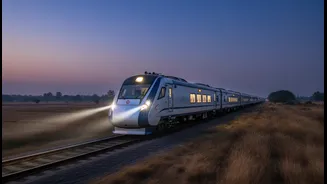
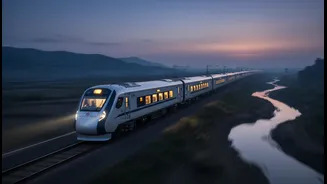
For decades, overnight train travel in India has been a story of compromise, balancing convenience against comfort. The introduction of the Vande Bharat sleeper trains aims to change that narrative. Unlike the chair-car versions designed for daytime trips,
these new trains are built specifically for long-distance, overnight routes. Each 16-coach trainset typically includes a mix of AC First, Second, and Third tier coaches, with a total capacity of around 823 passengers. The core idea is simple: board in the evening, sleep comfortably through the night, and arrive at your destination the next morning, refreshed and ready. It's a significant upgrade aimed at travellers who value both time and a good night's rest.
The Science of Saving Time
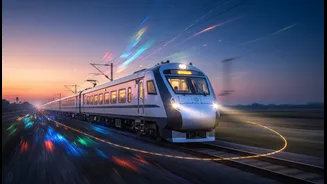
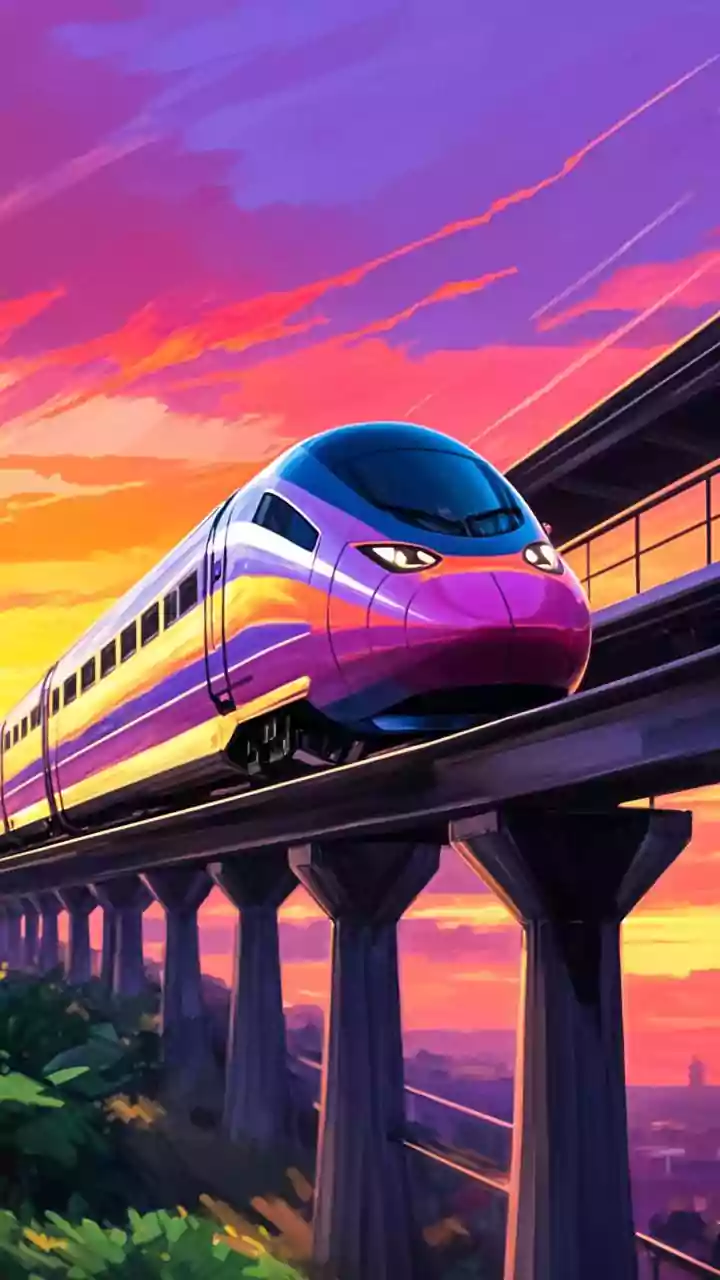
The headline promise of Vande Bharat trains is speed, with a potential to run at 160 kmph. However, the real time-saving advantage comes from their design as self-propelled trainsets. Unlike traditional trains that rely on a locomotive to pull them, Vande Bharat trains have distributed power, which allows for much faster acceleration and deceleration. This seemingly technical detail has a major practical benefit: the train spends less time slowing down for and speeding up after stops. Over a journey with multiple halts, this shaves off significant time. For example, the inaugural service between Howrah and Guwahati is expected to cut the journey by nearly three hours compared to the fastest existing train on that route. This efficiency, not just top speed, is what makes these trains a genuine alternative for time-conscious travellers.
Inside the Cabin: Comfort Redefined
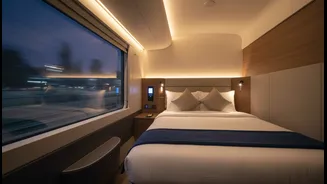
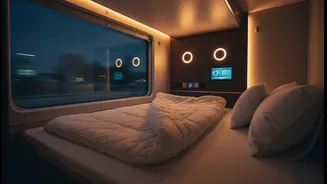
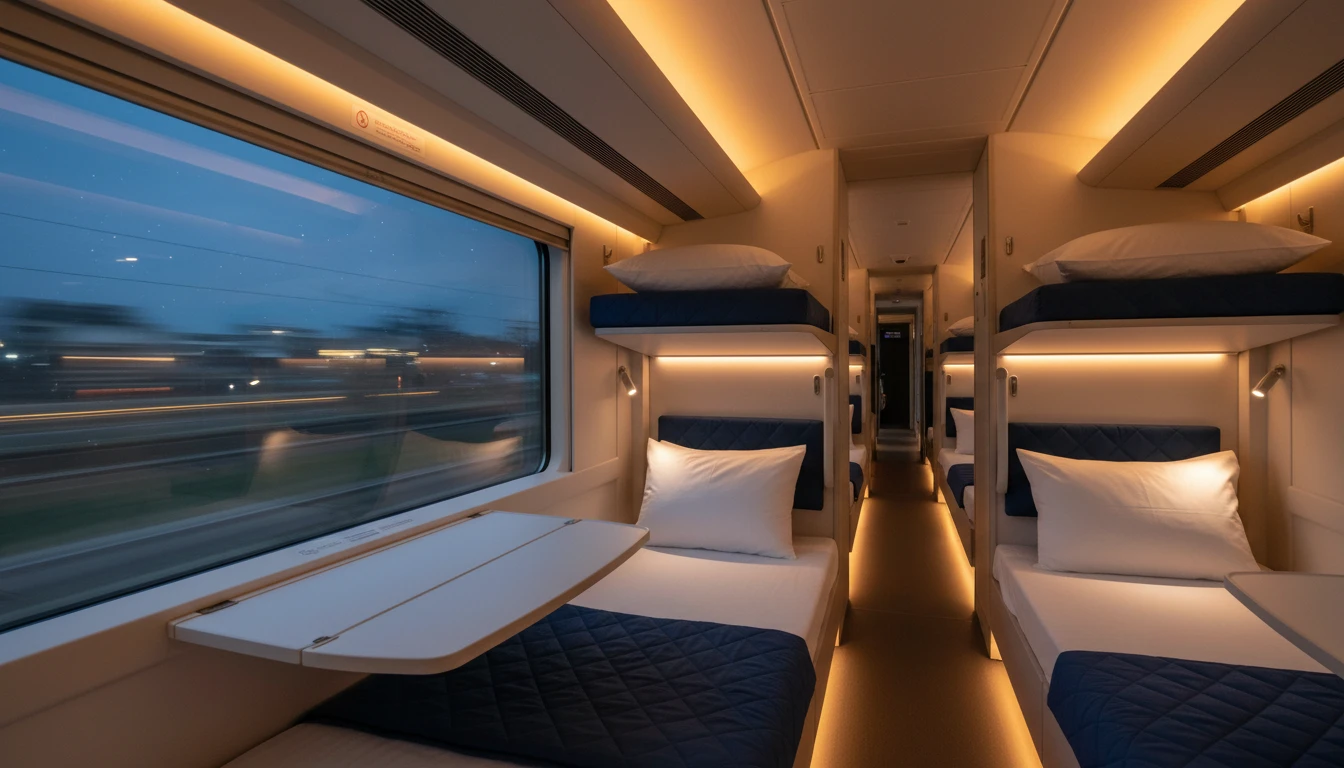
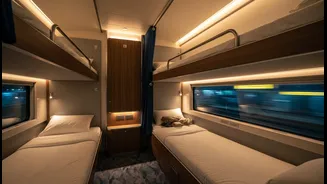
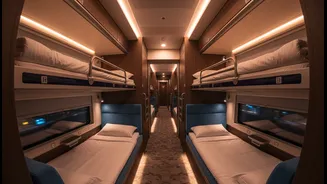
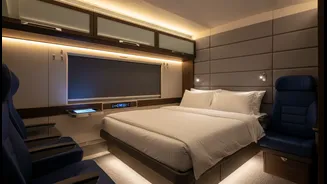
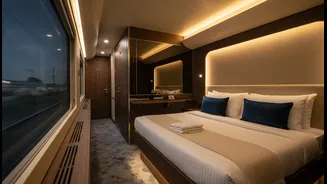
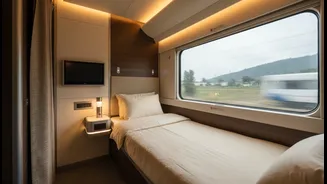
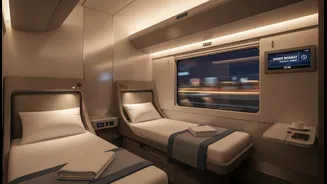
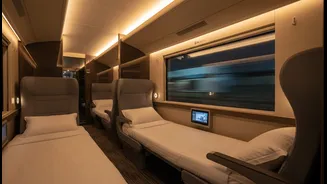
Indian Railways has focused heavily on passenger experience. The interiors are a significant leap forward from conventional sleeper coaches. Berths are ergonomically designed to be wider and better-cushioned for spinal support. Cabins are engineered to be quieter, with improved soundproofing and smoother suspension to minimise the jerks and vibrations common on overnight journeys. Modern amenities are now standard, including individual reading lights, USB charging points for every passenger, and Wi-Fi-enabled infotainment systems. Hygiene has also been prioritised, with bio-vacuum toilets and touch-free fixtures becoming the norm. For those in First AC, some designs even include hot shower facilities, a first for Indian Railways.
Vande Bharat Sleeper vs. Rajdhani
For years, the Rajdhani Express has been the gold standard for premium overnight travel in India. The Vande Bharat sleeper is positioned to become its modern successor. While both offer AC accommodation, the Vande Bharat provides a superior experience in several key areas. Its faster acceleration and higher operational speed will reduce journey times on many trunk routes. The ride quality is smoother, and the interiors are designed with modern passenger needs in mind, from clutter-free luggage storage to better connectivity. The fare is expected to be competitive, reportedly only a 10-15% premium over Rajdhani fares for a significantly upgraded service. This combination of speed, comfort, and reasonable pricing could persuade many loyal Rajdhani passengers to make the switch.
Routes and Rollout Plans
The first Vande Bharat sleeper service was launched between Howrah and Kamakhya (Guwahati) in January 2026. A second service, the Sant Ravidas Express, connecting Varanasi and Chheharta (Amritsar), followed in July 2026. While the broader rollout has faced some delays due to design approvals for a large batch of 120 trains, the project is moving forward. Demand is high, with tickets for the inaugural services selling out rapidly. Several high-traffic corridors are reportedly under consideration for future expansion, including routes connecting major hubs like Delhi, Mumbai, Bengaluru, and Chennai. Passengers eagerly await services like the proposed Mumbai-Bengaluru route, for which trainsets have already been stationed in Bengaluru for pre-commissioning checks.