







The Old Rules No Longer Apply
For generations, the rhythm of travel in India was dictated by the school calendar and major festivals. Summer holidays meant a frantic rush to hill stations, while Diwali or Christmas breaks saw airports and trains overflowing. This created predictable,
and often chaotic, peak seasons where prices soared, popular spots were overrun, and getting a booking felt like winning a lottery. But that well-worn travel map is being redrawn. Industry experts note that the traditional concept of an 'off-season' is rapidly becoming obsolete. Travellers are no longer confining their plans to just two peak windows, reflecting a major shift in the national travel mindset.
The 'Why' Behind the Shift
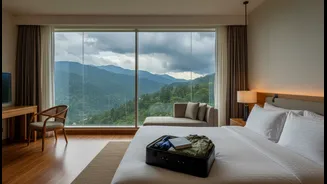
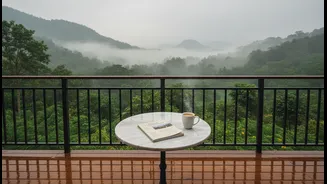
Several factors are driving this change. The rise of remote and hybrid work has been a game-changer, untethering professionals from their desks and allowing for 'workcations' any time of the year. This newfound flexibility means a trip is no longer a rare, annual event but can be a more frequent, integrated part of life. Economics also plays a huge role. Travellers are becoming savvier, realizing that visiting a destination during its 'shoulder season'—the period just before or after the peak—can offer the same great experience with fewer crowds and at a fraction of the cost. Many are seeking quieter, more authentic experiences away from the usual tourist hotspots, a trend some are calling 'slow travel' or a preference for 'hushpitality'. According to a recent travel outlook report, relaxation and escaping urban congestion are primary motivators for a majority of Indian travellers.
Embracing the Shoulder and Monsoon Seasons
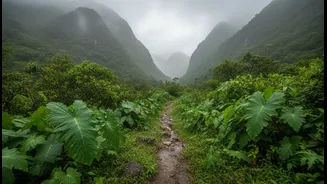
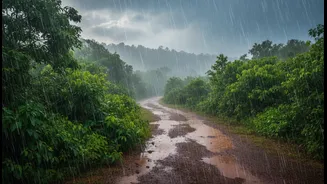
The shoulder season is the new star for the discerning Indian traveller. Think of Europe in September instead of a sweltering July, or Rajasthan in late March before the peak heat sets in. This period often offers the best of both worlds: pleasant weather, lower prices, and the chance to see a place as it is, not as a crowded tourist stage. Even the monsoon, once considered a travel dead zone, is seeing a massive boom. Destinations like Goa, Kerala, and the hills of Uttarakhand are witnessing a surge in visitors between June and September. Travel companies report that travellers are no longer asking if they should travel during the monsoon, but rather which destination would be best to experience the rains. Hotel bookings in places like Munnar have seen exponential growth during this period compared to previous years.
New Destinations on the Horizon
This trend isn't just about changing when people travel, but also where. With visa rules easing for Indian passport holders, many are exploring offbeat international destinations. Vietnam, with its stunning landscapes and seamless e-visa process, has become a massive hit. Similarly, lesser-known European gems like Albania are gaining traction as affordable, crowd-free alternatives. Domestically, the focus is shifting towards India's own hidden treasures. The Northeast has emerged as a standout region, with destinations like Jorhat in Assam seeing a nearly 500% spike in travel searches. Spiritual hubs like Varanasi and tranquil Himalayan towns are also drawing travellers looking for more purposeful, relaxing getaways.